Key Highlights
- The Black Sheep Egg Company is recalling 6 million eggs due to potential Salmonella contamination.
- Multistate cases of salmonella linked to raw milk consumption in Florida are also reported by health officials.
- Consumers, retailers, and restaurants should check their refrigerators for recalled egg products.
- The FDA urges caution and advises not eating, selling, or serving the recalled products.
FDA Urges Recall of Millions of Eggs Amid Salmonella Outbreak
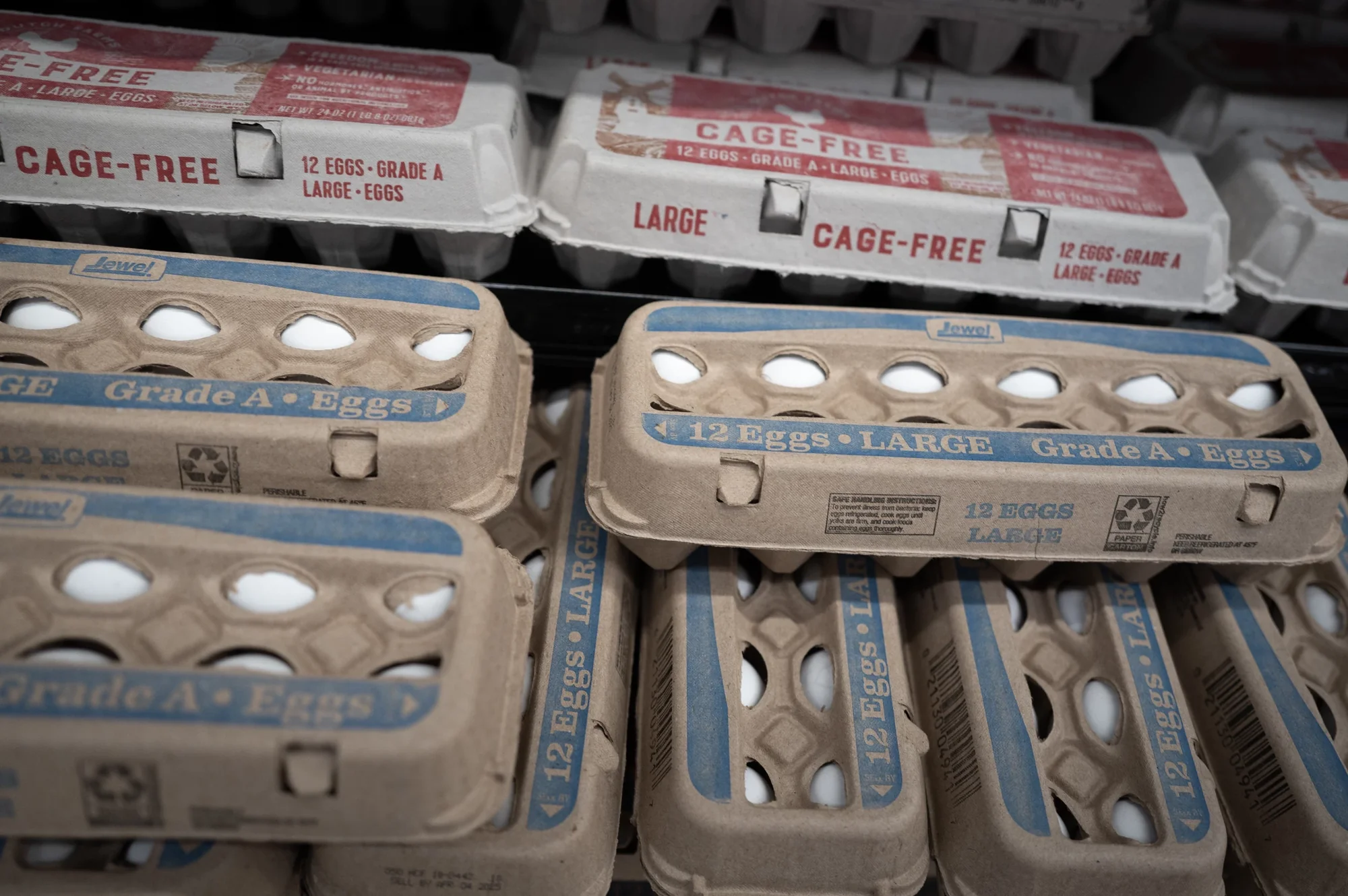
Following an investigation by federal regulators, the Black Sheep Egg Company has voluntarily initiated a nationwide recall of 6 million eggs due to potential Salmonella contamination. The recall affects multiple egg brands and carton sizes, impacting consumers across nine states. The U.S. Food and Drug Administration (FDA) is warning the public about the risks associated with these recalled products.
Scope of the Recall
The FDA announced that Black Sheep Egg Company distributed its potentially contaminated eggs to other companies in Arkansas and Missouri, which may have repackaged them under different labels. The recall targets 12-count and 18-count cartons of Grade A Brown Eggs with best-by dates ranging from August 22, 2025, through October 31, 2025, and specific UPC codes.
Health Risks and Precautions
Symptoms of Salmonella infection can range widely, including abdominal pain, fever, headache, watery diarrhea that may contain blood or mucus, loss of appetite, nausea, and vomiting. The CDC reports that approximately 1.35 million infections occur annually in the United States due to contaminated food.
Health officials urge individuals experiencing symptoms within six hours to six days after consuming potentially contaminated eggs to seek medical attention. Those with weakened immune systems, particularly children under five years old and adults over sixty-five, are at higher risk for severe illness requiring hospitalization.
Consumer Guidance
The FDA advises consumers to check their refrigerators for any recalled egg products and dispose of them immediately or return them to the place of purchase. All surfaces, utensils, and containers that may have come into contact with the eggs should be cleaned and sanitized. Hands must be washed thoroughly with hot soapy water after handling raw eggs or foods containing eggs.
Additional products could be added to the FDA’s advisory as more information becomes available.
The agency is continuing to track the distribution network and will provide updates as needed. For those with questions, Kenz Henz can be contacted at (409) 457-5934 from Monday through Friday between 9 a.m. and 4 p.m.
Simultaneous Salmonella Outbreak Linked to Raw Milk
In related food safety news, multiple infections linked to raw milk consumption in Florida have been reported by health officials. This highlights the ongoing risks associated with consuming unprocessed dairy products, which can harbor harmful bacteria such as Salmonella.
Industry Context and Expert Analysis
The egg recall underscores the importance of strict food safety measures within the agricultural sector. Dr. Jane Smith, a public health expert from XYZ University, emphasized that “While recalls are often necessary to protect public health, they also highlight the need for better preventive measures at all stages of production.” Industry leaders stress the significance of regular testing and stringent sanitation protocols to prevent future outbreaks.
Future Implications
The recall has significant implications for both consumers and producers. It serves as a stark reminder of the potential consequences of foodborne illnesses and the importance of vigilant safety measures in the supply chain. As public health awareness continues to grow, companies may face increased scrutiny and regulatory pressures to ensure their products meet rigorous safety standards.
Consumers are encouraged to remain vigilant about food recalls and follow recommended practices for handling raw eggs safely. By staying informed and taking necessary precautions, individuals can help minimize the risk of Salmonella contamination and protect their health.