Key Highlights
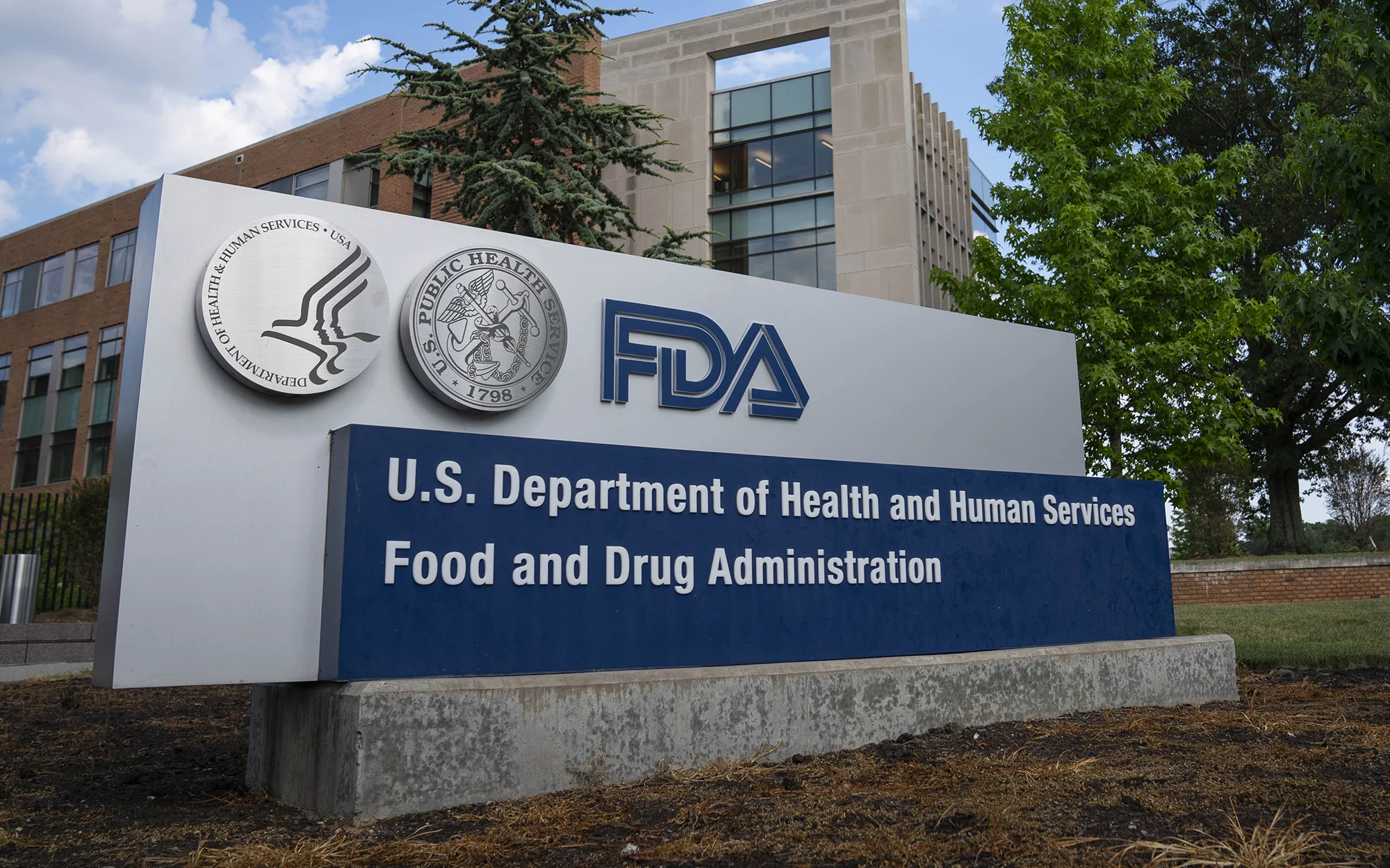
- The U.S. Food and Drug Administration (FDA) upgraded a recall on eggs from Black Sheep Egg Company to the highest severity level due to contamination by salmonella.
- About 6 million eggs are affected, including various sizes and types of brown and white eggs distributed in multiple states.
- This is a Class 1 recall, indicating that consuming these products could lead to serious health consequences or death.
- Consumers should discard the recalled eggs immediately if they have them in their fridges or notice any listed UPC codes or best-by dates.
The Scope of the Recall: Millions of Eggs Affected by Salmonella Contamination
The U.S. Food and Drug Administration (FDA) has heightened its alert on a voluntary recall issued by Black Sheep Egg Company, involving over 6 million eggs across various sizes and types. This action follows positive environmental samples tested for salmonella at the company’s processing center in Arkansas, leading to concerns about widespread contamination.
The contaminated eggs include Free Range Grade A Large Brown Eggs, both 12- and 18-count cartons; Free Range Grade AA Large Brown Eggs, available loose-packed or open-skid; as well as a range of white egg varieties. The recall also extends to Kenz Henz, a supplier that distributes Grade AA Large Pasture Raised eggs.
Risk Assessment and Immediate Actions
The FDA has deemed this recall a Class 1, the highest severity level, emphasizing the potential for severe health risks associated with consuming these products. Symptoms of salmonella infection can manifest within 12 to 72 hours post-consumption, leading to symptoms such as diarrhea, fever, and abdominal cramps.
Healthcare professionals advise that individuals who have consumed any of the affected eggs should monitor themselves for signs of illness. Those particularly vulnerable—such as children under five years old, the elderly, or those with weakened immune systems—are at higher risk for severe infections.
If symptoms develop, immediate medical attention is recommended.
To prevent cross-contamination in households, consumers are instructed to thoroughly clean any surfaces that may have come into contact with the recalled eggs. This includes washing utensils and cooking implements with hot soapy water before rinsing and drying them. Hands should be washed after handling the affected products.
Industry Impact and Future Implications
This recall highlights the critical importance of stringent food safety protocols in egg processing centers. The widespread nature of the contamination suggests a systemic issue that may require broader industry oversight and enhanced regulatory measures.
Experts advise consumers to remain vigilant about recalls issued by health authorities and to regularly check their refrigerators for any products listed as part of ongoing recall efforts. Additionally, the incident underscores the need for companies to maintain transparent communication with both regulators and the public during such crises.
The Black Sheep Egg Company’s cooperation in voluntarily recalling the eggs is a positive step, but it also raises questions about supply chain management and traceability practices that could benefit from further improvement to prevent future outbreaks.