Key Highlights
- The FDA has expanded a recall of eggs from Black Sheep Egg Company due to potential contamination with salmonella.
- 40 environmental samples tested positive for salmonella at the company’s facility, raising concerns about human illness.
- This recall is part of a broader food safety initiative by federal health officials to address foodborne illnesses.
- The FDA advises consumers not to eat, sell, or serve recalled products until further notice.
Expanded Egg Recall: Salmonella Concerns Raise Safety Questions
The Food and Drug Administration (FDA) has expanded a recall of eggs from Black Sheep Egg Company after finding 40 environmental samples tested positive for salmonella at the company’s processing facility. This move comes amid heightened scrutiny of food safety practices, with federal health officials emphasizing the need to protect consumers from potential outbreaks.
Black Sheep Egg Company’s Recall
Black Sheep Egg Company initiated a recall following an FDA inspection that revealed 40 environmental samples at its egg processing facility in Arkansas tested positive for salmonella. The FDA stated that some of these strains are known to cause human illness, though there is no evidence yet linking the company to an ongoing outbreak.
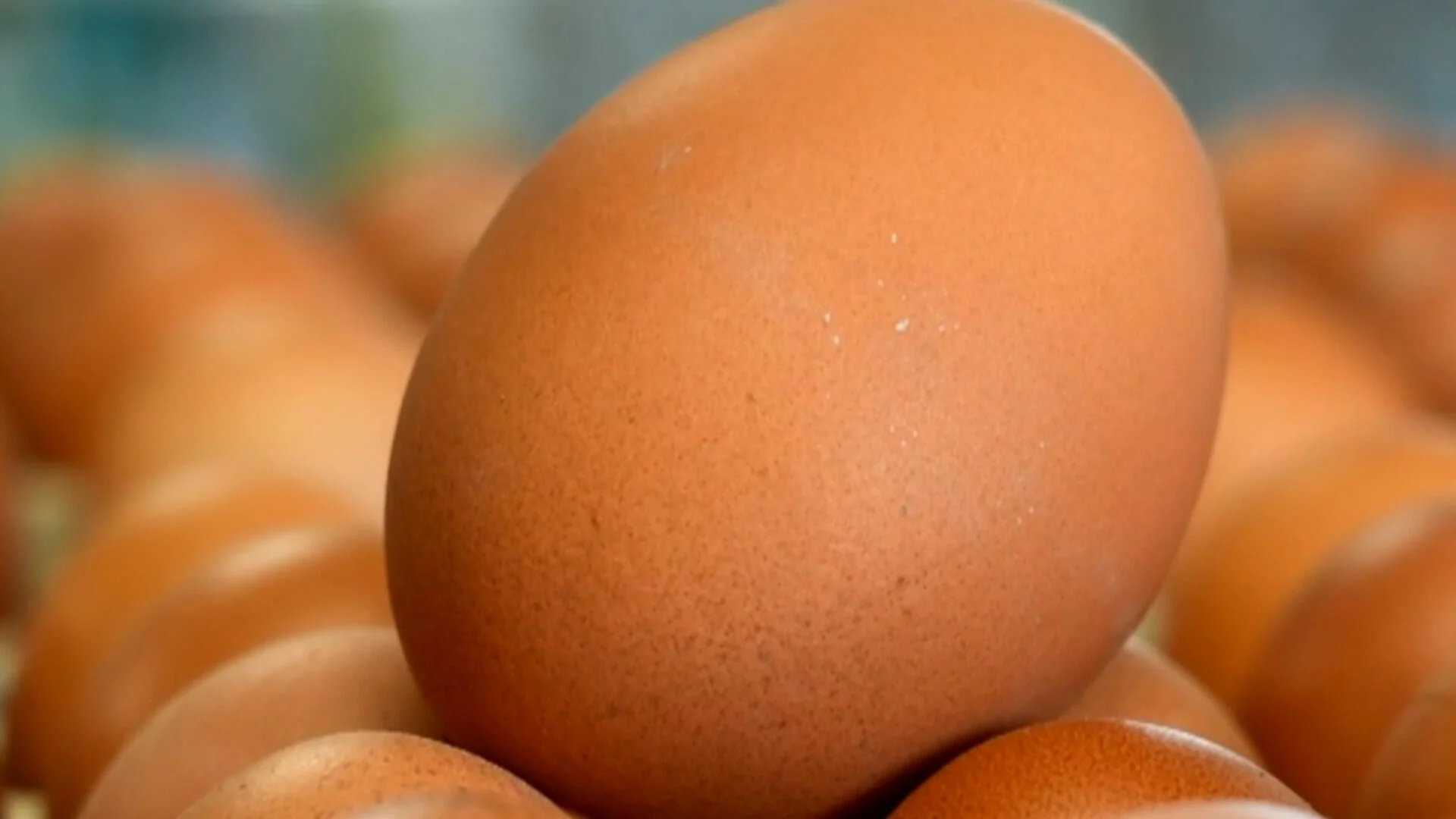
The recalled products include several cartons of free-range large grade A brown eggs with “best by” dates ranging from August 22, 2025, through October 31, 2025. The company distributed these eggs to retailers and other companies in Arkansas and Missouri between July 9, 2025, and September 17, 2025, which may have repackaged them for further distribution.
Broader Food Safety Initiative
The expanded recall is part of a larger effort by the FDA to ensure food safety and prevent future outbreaks. Dr. Marty Makary, the FDA commissioner, has been advocating for stricter measures to address potential risks in the food supply chain. “We are constantly looking at ways to enhance our inspections and protocols to protect public health,” said Dr.
Makary.
Consumer advocates have long called for increased oversight of egg producers to prevent salmonella contamination. According to a report by the Center for Science in the Public Interest, over 100,000 Americans get sick from eggs each year due to salmonella, with about 300 deaths annually.
Industry Response and Future Implications
The recall has sparked discussions among industry experts about the need for better hygiene practices in egg production. “Companies must prioritize safety measures to ensure that consumers can trust their products,” said Jane Smith, a food safety expert at the National Food Safety Association.
As the investigation continues, the FDA will monitor any additional information and update the public accordingly. The agency advises consumers to check their homes for recalled eggs and follow proper cooking methods to avoid salmonella infection.
The incident highlights the ongoing challenges in maintaining food safety standards across various industries. As federal agencies work to address these issues, stakeholders in the food sector are likely to face increased pressure to implement more stringent safety protocols.