Key Highlights
- Inflation is expected to reach its highest level in over a year.
- A recent slowdown in hiring has coincided with an uptick in prices.
- The Federal Reserve faces a challenging decision amid concerns of stagflation.
- President Trump’s tariffs have contributed to inflation but not as much as other factors.
Economic Headwinds: Inflation and Job Market Strain
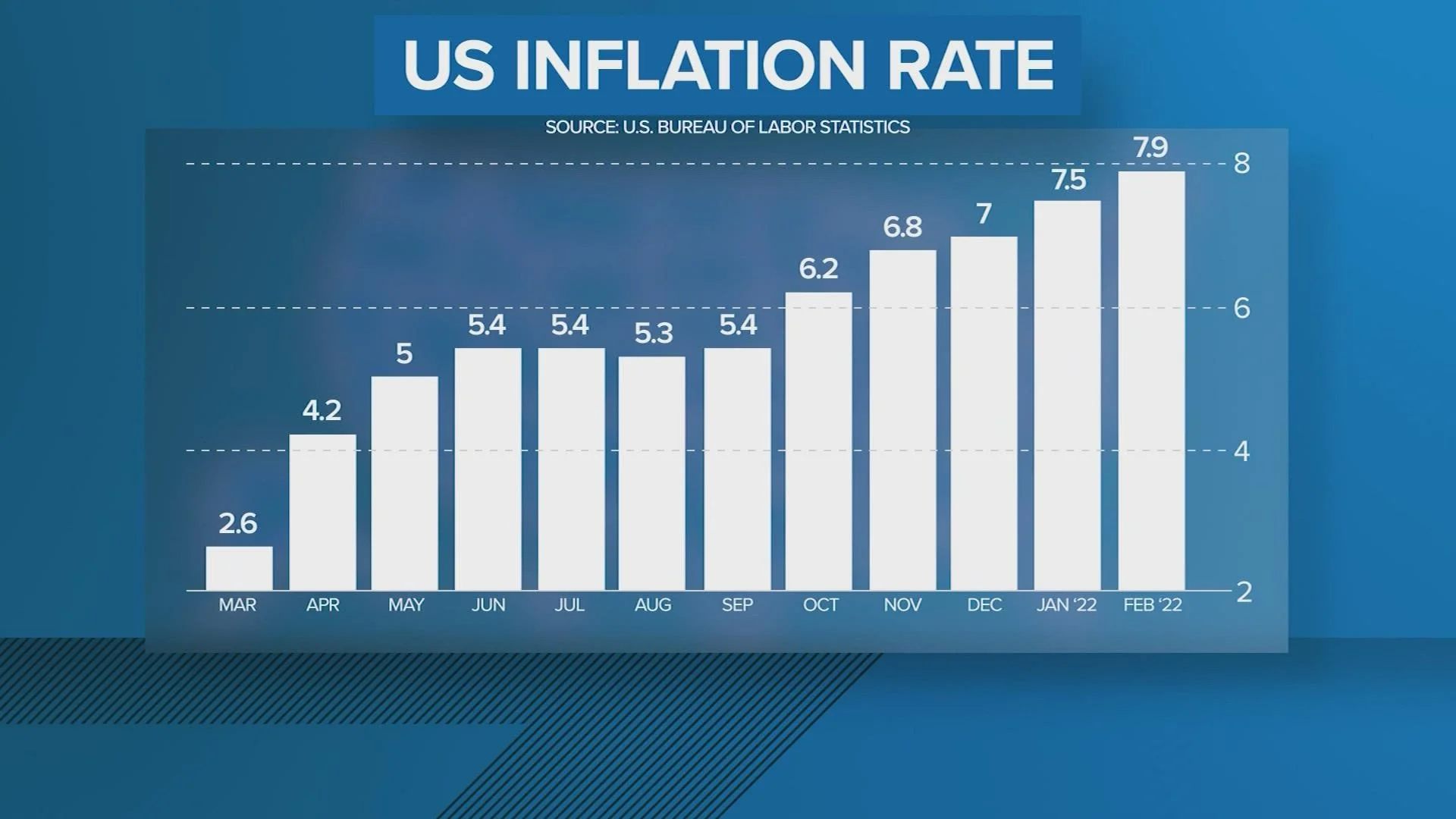
In recent months, the U.S. economy has been grappling with a dual challenge of rising prices and slowing job growth. A fresh inflation report set to be released on Friday is expected to show that prices have increased 3.1% in September, marking the highest level since May 2024. This significant rise follows a 2.9% year-over-year increase recorded in August, indicating a slight acceleration.
The latest economic data comes as the U.S. government has been facing a prolonged shutdown, severely hampering the release of critical information about the economy. The anticipated reading suggests that inflation is not only persisting but may be on an upward trajectory, which could exacerbate concerns among policymakers and economists alike.
Stagflation Risks and Federal Reserve Dilemma
The economic conditions have placed the Federal Reserve in a precarious position. As prices continue to rise, coupled with a slowdown in hiring, there is a risk of an economic phenomenon known as stagflation—where both inflation and unemployment rates are high simultaneously.
According to recent statements from policymakers, the balance of risks has shifted towards greater concern over sluggish hiring. This sentiment was echoed by Jerome Powell, who stated, “It’s a challenging situation when our goals are in tension like this.” Despite these challenges, economists expect the Federal Reserve to make an additional quarter-point cut at their upcoming meeting next week.
The decision on interest rates is particularly crucial given that the Fed’s actions could either protect against tariff-induced inflation or risk tipping the economy into a downturn. A rate cut would likely increase demand and further drive up prices, while maintaining higher rates might struggle to stimulate hiring in the face of a slowdown.
President Trump’s Tariffs and Their Impact
While tariffs have modestly contributed to overall inflation, other factors such as housing and food products have played a more significant role. President Donald Trump’s recent threat to impose 100% tariffs on all China-made goods starting November 1st in response to restrictions on rare earth minerals has added another layer of complexity.
These moves come at a time when the U.S.-China trade relations are already strained, with Beijing maintaining its stance against such measures. This impasse could have significant implications for consumer goods imported from China, potentially leading to higher prices and further inflationary pressures on the economy.
Conclusion
A Tenuous Balance
The upcoming inflation report is set to be a crucial indicator of the economic landscape, with the Federal Reserve closely monitoring these developments. The balance between protecting against inflation and stimulating job growth remains delicate, requiring careful navigation by policymakers. As the economy continues to face challenges, the coming weeks will reveal how effectively the Fed can steer the ship through the turbulent waters ahead.