Key Highlights
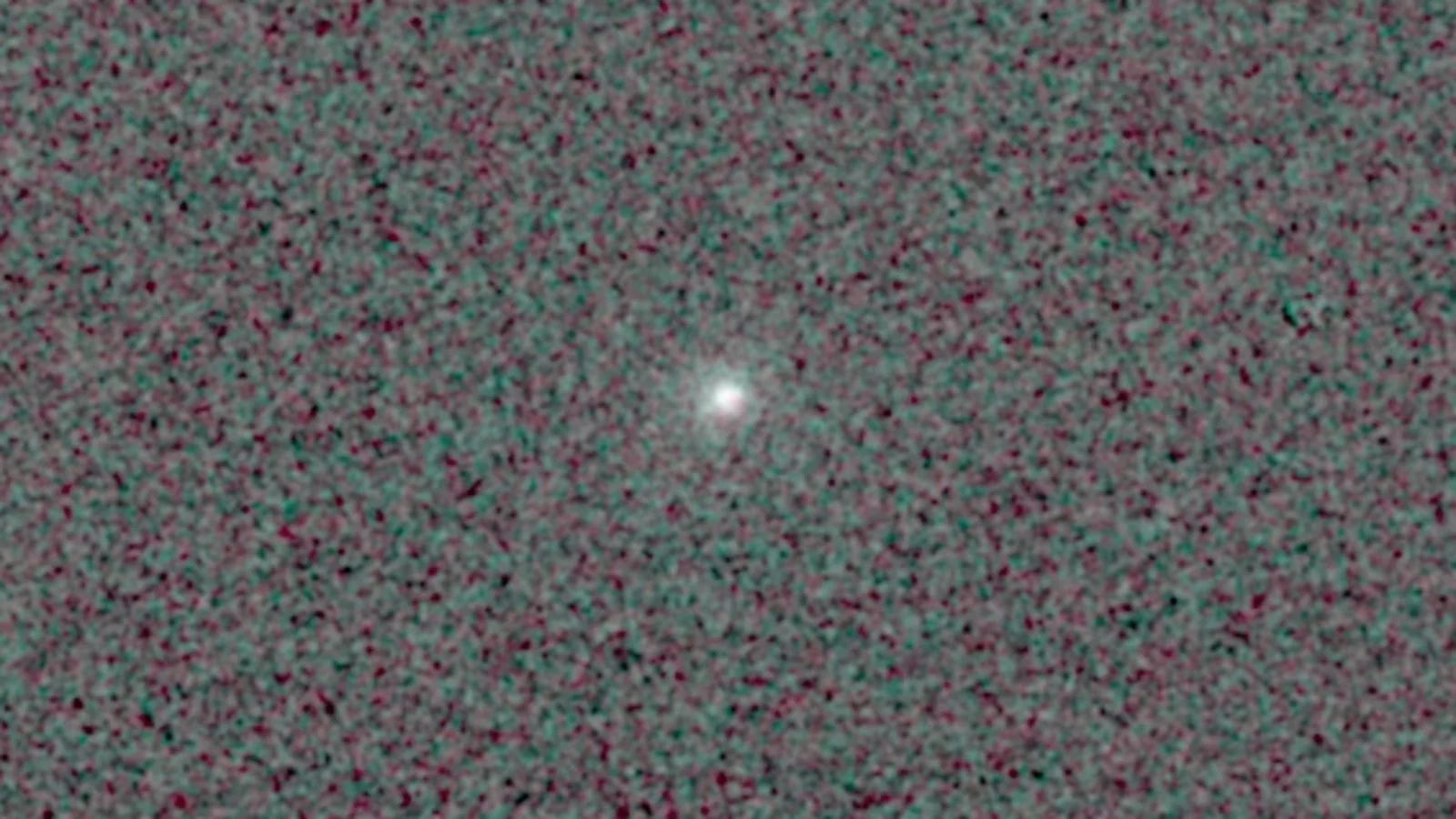
- Astronomer Qicheng Zhang captures image of Comet 3I/ATLAS on November 1.
- The comet is returning to the predawn sky after a close approach to the sun.
- Comet 3I/ATLAS is believed to have originated from another star system.
- Astronomers are using various instruments to analyze its properties and origin.
The Return of Comet 3I/ATLAS: A Rare Glimpse into the Cosmos
Amateur astronomers with backyard telescopes can now catch a glimpse of the interstellar comet 3I/ATLAS, which has recently emerged from the glare of the sun. This rare celestial visitor, believed to have originated from another star system, is currently traveling through our solar system and offers an exciting opportunity for skywatchers.
Observing the Comet: A Guide for Stargazers
Qicheng Zhang, a postdoctoral fellow at Lowell Observatory in Arizona, captured images of the comet on November 1. “The comet is now a fairly easy target in the morning for anyone with a camera on even a small telescope with clear skies and a low eastern horizon,” stated Zhang.
The comet can be found traveling amongst the stars of the constellation Virgo close to the eastern horizon in the hours before dawn, with Venus shining brightly beneath. “It currently doesn’t look like much, just a blob that’s slightly fuzzier than the stars around it, but it should rapidly become more visible over the next few days/weeks,” continued Zhang.
Scientific Analysis and Future of 3I/ATLAS
Astronomers are quick to analyze the comet’s light fingerprint using ground and space-based instruments. The objective is to unravel the wanderer’s mysteries, including its formation around a distant star. “As such, scientists were quick to analyze the comet’s light fingerprint using every ground and space-based instrument at their disposal,” noted Anthony Wood.
While the heat radiation from our sun decreases, the comet may become less visible. However, the inherently unpredictable nature of these cosmic nomads makes it difficult to predict when 3I/ATLAS will disappear from Earth’s skies forever. “It’s believed that if it fades as quickly as it brightened, it’ll probably appear visually at its peak in just the next week or two,” Zhang added.
Engaging with Comet 3I/ATLAS
Space.com invites readers to share their images of the comet. “If you would like to share your images of 3I/ATLAS with Space.com’s readers, then please send your photo(s), name and location to [email protected],” stated the editor’s note.
To stay informed about upcoming celestial events and more breaking news in astronomy, visit Space.com. The site offers a wealth of resources for stargazers, including tips on how to photograph wandering comets and reviews of the best telescopes available. Additionally, Space.com provides regular updates on space exploration, meteor showers, and other astronomical phenomena.
For more information and related content, explore Space.com.