Key Highlights
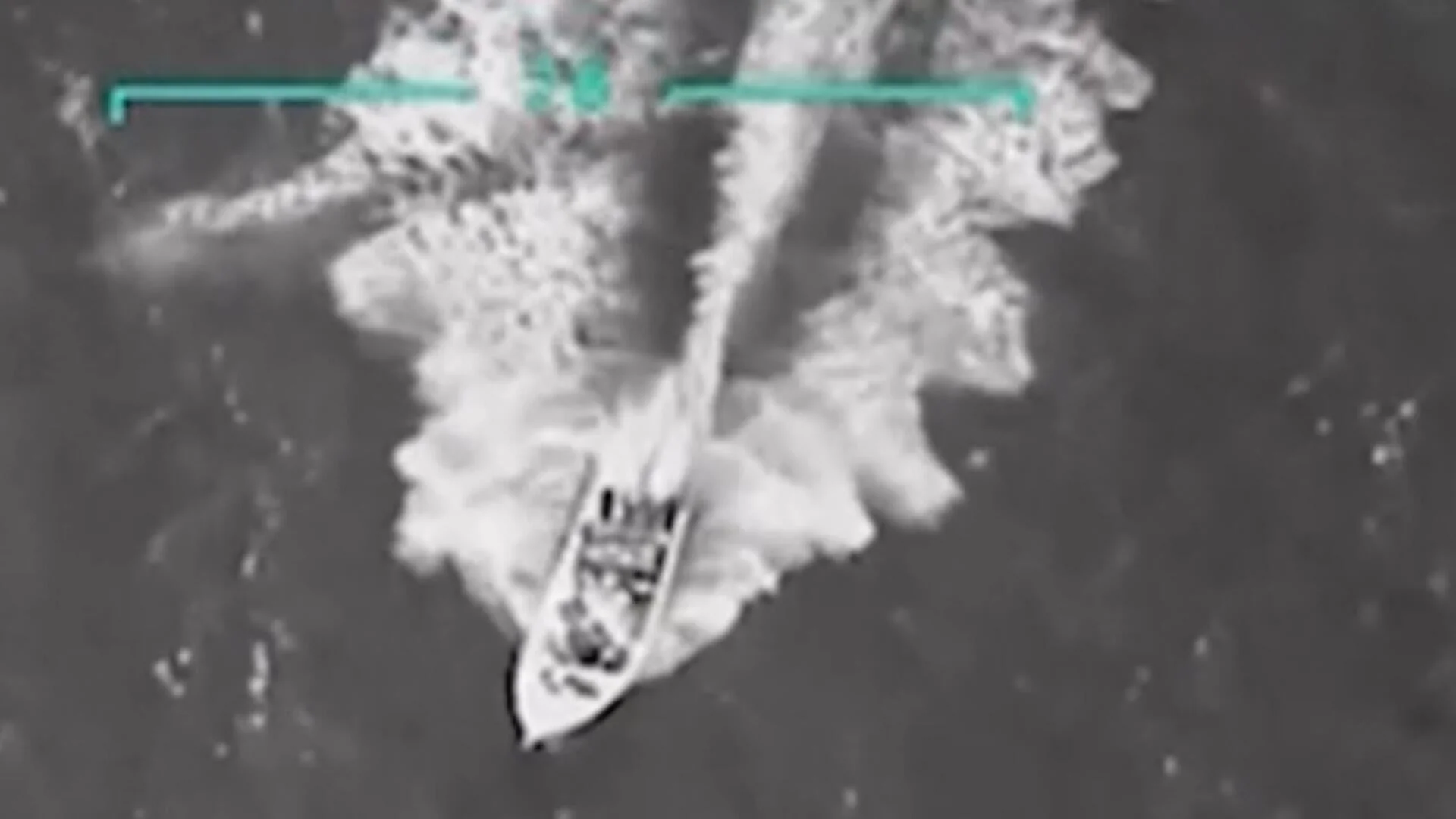
- The U.S. military conducted lethal strikes against two boats in the eastern Pacific Ocean.
- This marks an expansion of the U.S. military campaign to target drug-smuggling vessels, with seven previous strikes in the Caribbean Sea since September.
- At least 37 people have been killed in nine strikes by the U.S. military on suspected drug traffickers.
- The U.S. has produced a classified legal opinion justifying lethal strikes against cartels and suspected drug traffickers, treating them as enemy combatants without judicial review.
US Military Expands Campaign Against Drug Trafficking in Pacific
In a significant expansion of its campaign to target drug-smuggling operations, the U.S. military has conducted lethal strikes against two boats in the eastern Pacific Ocean this week, according to Secretary of Defense Pete Hegseth.
This latest action follows seven previous strikes on suspected drug trafficking vessels in the Caribbean Sea since September, raising concerns about the scope and legality of these operations. The new campaign is aimed at disrupting what the U.S. military deems as “narco-terrorists” seeking to bring “poison to our shores.”
Strikes Targeted Cartels and Terrorist Organizations
The strikes on September 21 and 22 were directed against vessels suspected of being operated by a designated terrorist organization, according to Hegseth. The Secretary stated that the boats in question were known for their involvement in illicit narcotics smuggling along well-known transit routes.
Speaking on X (formerly Twitter), Hegseth emphasized the U.S.’s commitment to addressing drug trafficking: “Narco-terrorists intending to bring poison to our shores, will find no safe harbor anywhere in our hemisphere.” He also compared these traffickers to Al Qaeda, asserting that they pose a significant threat similar to that of terrorist groups.
Legal Justification and Future Implications
The Trump administration has developed a classified legal opinion to justify lethal strikes against drug cartels and suspected traffickers. This document allows the military to treat these individuals as enemy combatants, potentially bypassing normal judicial procedures. Legal experts have noted that such an approach could set a dangerous precedent for future actions taken by the U.S.
While the latest strikes were conducted with no loss of U.S. personnel, concerns remain about the broader implications of treating drug traffickers in this manner. Critics argue that it blurs the lines between law enforcement and warfare, potentially leading to increased violence and instability in regions where these operations are carried out.
Background and Context
The U.S.’s expanded campaign against drug trafficking in international waters has come at a time when global efforts to combat organized crime have faced numerous challenges. Recent reports indicate that drug cartels continue to expand their networks, using increasingly sophisticated methods to evade law enforcement.
The decision by the U.S. military to engage in these strikes highlights a broader shift towards more aggressive and direct action against transnational criminal organizations. However, it also raises questions about the long-term effectiveness of such tactics and potential human rights concerns associated with extrajudicial killings.
Conclusion
The U.S. military’s expanded operations in the Pacific to target drug trafficking vessels underscore a growing international focus on combating these networks. As the legal and operational landscape continues to evolve, it is crucial for policymakers to carefully consider the potential consequences of such actions, balancing security concerns with respect for human rights and due process.
Going forward, ongoing dialogue between military, law enforcement, and civilian authorities will be essential in developing effective strategies that can dismantle drug trafficking networks without compromising international standards and values.