Trump Announces ‘TrumpRx’ & Pfizer Deal to Lower Drug Prices (2025): What It Means for Your Wallet
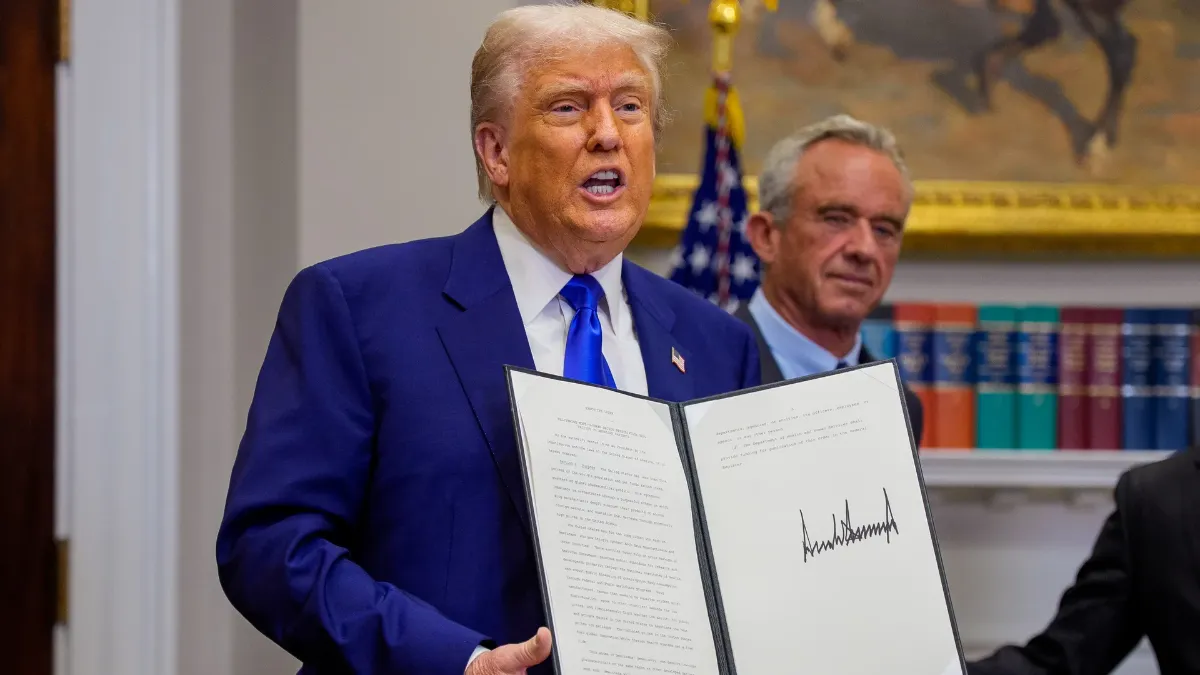
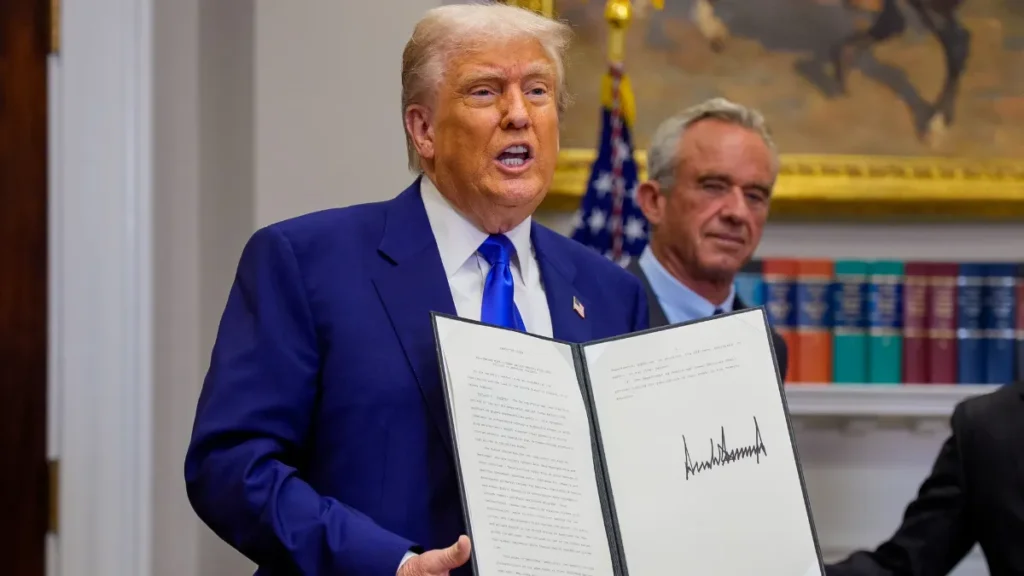
Good news for U.S. consumers: the White House announced a new “TrumpRx” website to sell select prescription drugs at discounted prices, alongside a landmark pricing agreement with Pfizer.
The plan aims to reduce out-of-pocket costs, expand price transparency, and bring U.S. prices closer to what other wealthy countries pay. While full program details are still rolling out, here’s the clearest, beginner-friendly guide to what was announced, how it may work, and how you can prepare to save.
Quick Facts (At a Glance)
- What was announced: A federal TrumpRx site for direct-to-consumer access to discounted medicines, plus a pricing deal with Pfizer.
- Who may benefit: All U.S. consumers online for retail discounts; State Medicaid programs are slated to receive Most-Favored-Nation (MFN) pricing on Pfizer drugs.
- Discount ballpark: Officials and media reports referenced significant price cuts on select Pfizer medicines; exact drug lists and final prices are pending publication.
- Timing: The TrumpRx site name has been unveiled, but the site itself isn’t live yet; officials indicated it could go live after further build-out and contracting.
- Tariffs context: The administration linked price cuts to threatened 100% tariffs on imported branded/patented drugs, with tariff relief reportedly part of Pfizer’s arrangement.
What Is TrumpRx?
TrumpRx is a planned government-operated purchasing website where Americans could buy select prescription drugs at discounted “cash” prices—bypassing traditional pharmacy benefit managers (PBMs), coupons and rebate mazes. The promise: simpler price discovery, lower out-of-pocket exposure, and competitive cash prices anchored by direct deals with manufacturers—starting with Pfizer. The White House also positioned TrumpRx as a complement to broader drug-price transparency efforts and a lever to pressure other drugmakers to follow.
Key Aims
- Lower healthcare costs for consumers facing high deductibles and copays
- Reduce Medicaid spending using MFN pricing on Pfizer products
- Increase competition against high list prices and opaque rebate flows
- Align U.S. prices closer to global benchmarks through MFN concepts The White House
What Did Pfizer Agree To?
The administration says Pfizer will provide significantly discounted prices on select medicines for retail consumers via the TrumpRx platform, and extend Most-Favored-Nation pricing to Medicaid for its portfolio—tying public-program prices more closely to the lowest international prices for comparable markets. The parties also indicated more companies could sign similar deals.
Important: The specific drug list, exact percentage discounts, and checkout mechanics will be finalized as the site launches and contracts are posted. Until then, treat any drug-by-drug quotes as illustrative.
How Big Are the Savings?
Early statements described major cuts on selected products, with talk of double-digit to deep discounts. Some reporting referenced ranges from roughly 40–85% on particular drugs; others quoted large reductions but emphasized that official price sheets aren’t public yet. What matters for your budget is the final checkout price on TrumpRx once it’s live. Expect variability by drug, dosage, and supply agreements.
Why discounts can vary:
- Patent status (brand vs generic)
- Therapeutic class (e.g., immunology, oncology, cardiovascular)
- Volume commitments & distribution
- Rebate vs. cash price dynamics with PBMs and pharmacies
Tariffs, Manufacturing & Price Pressure
A central piece of the policy backdrop is a threatened 100% tariff on imported branded/patented drugs. The administration framed tariff relief as part of the Pfizer arrangement, alongside expectations of expanded U.S. manufacturing and R&D. For consumers, the practical goal is to pull prices down in the near term and localize more production in the long run—though the exact economic ripple (on insurance premiums, Medicaid budgets, and biopharma margins) will unfold over time.
Will TrumpRx Replace Your Insurance?
No. Think of TrumpRx as an additional channel—a way to access cash-pay prices that may beat your plan’s copay or deductible on certain drugs. Many insured patients already compare insurance vs. cash at the pharmacy counter; TrumpRx simply gives you another benchmark. Possible use cases:
- You’re on a high-deductible plan and pay full list until you meet the deductible
- Your copay card or coupon no longer applies
- Your plan requires prior authorization and you need a bridge option
- You’re uninsured or between jobs and need affordable access
Always compare: Plan copay vs. TrumpRx cash price vs. independent discount programs to find the lowest total cost for you. (Talk to your pharmacist; keep HSA/FSA eligibility in mind.)
What This Could Mean for Medicaid (and Potentially Medicare)
The Medicaid angle is immediate: State Medicaid programs are slated to access MFN prices for Pfizer drugs—potentially reducing public spending and state budgets over the medium term. While the announcement centers on Medicaid, observers will watch for spillover into Medicare reforms or voluntary arrangements that could affect Part D pricing and premiums. The White House
Will Other Drugmakers Join?
The administration signaled more manufacturers could sign similar deals, using a mix of public-pressure, tariff threats, and direct purchasing power. For consumers, that would broaden the drug catalog on TrumpRx and intensify price competition. For investors, it raises sector questions around margins, rebate flows, and U.S. earnings mix—themes to watch in biotech & pharma stocks.
How to Prepare (Actionable Steps)
- List your prescriptions (brand & generic names, dosage).
- Check current prices: what you pay today with insurance vs. local cash.
- Create a savings checklist:
- Try plan copay and any manufacturer assistance you legally qualify for.
- Compare with cash prices (when TrumpRx goes live).
- Ask your prescriber if a therapeutic alternative or generic could lower out-of-pocket costs.
- Talk to your pharmacist about switching to the lowest-cost channel (plan vs. cash) without disrupting therapy.
- Track announcements for the TrumpRx launch date, eligible drug list, and checkout rules (ID, shipping, refills).
Potential Benefits
- Lower out-of-pocket costs on selected medicines
- Simplified pricing without complex rebates
- Pressure on list prices across the market
- Budget relief for state Medicaid programs
Potential Limitations & Unknowns
- Site not live yet; details may evolve before launch
- Drug list may be limited at first, expanding as more firms join
- Insurance coordination: cash purchases may not count toward deductibles (verify)
- Legal & policy uncertainty around tariffs and MFN implementation
- Supply & logistics as manufacturers rebalance U.S. vs. ex-U.S. production
Simple Examples (Illustrative Only)
These examples show how to compare channels. They are not official prices.
- Insured patient, high-deductible: If your plan price is $180 until deductible, but TrumpRx posts $95 cash for the same strength, paying cash could be cheaper today (but may not count toward your deductible).
- Uninsured: If a brand drug is $420 at retail and TrumpRx lists $220, buying through TrumpRx could halve your monthly cost.
- Generic alternative: Your prescriber switches to a therapeutically equivalent generic at $15—often the lowest option overall.
Market & Investing Angle (For Readers Who Follow Finance)
- Pharma equities: Early reporting noted positive trading reactions to the announcement; watch Pfizer (PFE) as analysts gauge the net margin impact of U.S. discounts vs. volume uplift and tariff relief. Financial Times
- Managed care & PBMs: Direct-to-consumer channels like TrumpRx challenge the rebate model, potentially shifting leverage and spread pricing economics.
- Inflation & consumer spending: Lower prescription drug inflation can ease household budgets and potentially support consumer discretionary spending in other categories.
FAQs:
1) When will the TrumpRx website be live?
The name is announced, but the site isn’t live yet. Officials indicated the rollout requires additional build-out; watch for the go-live date and initial drug catalog.
2) Who can buy through TrumpRx?
U.S. consumers are expected to be eligible for online cash purchases of select drugs. Medicaid will have program-level MFN pricing for Pfizer drugs. Specific identity verification and shipping rules will be posted at launch. The White House
3) Will my purchase count toward my insurance deductible?
Cash purchases typically do not count toward deductibles unless your plan allows it. Check your plan documents or ask your insurer/pharmacist.
4) Can I still use coupons or copay cards?
It depends on manufacturer rules and the channel. If a cash price is lower, you might not need coupons—compare at checkout.
5) What if I’m on Medicare?
The announcement focuses on Medicaid MFN pricing. Medicare beneficiaries should compare plan copays vs. any posted cash price when TrumpRx launches.
6) Is this safe—are the drugs genuine?
The premise of TrumpRx is direct purchasing through a federal site and manufacturers, which should mitigate counterfeit risk. Always use official portals once available.
7) Are other companies joining?
The administration said it expects additional agreements; watch for announcements from other manufacturers.
8) Could tariffs raise other prices?
Trade measures can have complex ripple effects. The stated intent is to pressure drug prices down, but the broader market effects will depend on implementation and exemptions.
Conclusion
The TrumpRx initiative and the Pfizer pricing deal mark a high-profile attempt to lower U.S. drug costs through direct-to-consumer pricing and MFN benchmarks—especially for Medicaid. If executed well, many patients could see meaningful savings on select medicines, with secondary benefits to state budgets and household healthcare costs. For now, the site isn’t live and drug-level pricing has not been published, so the smartest move is to prepare: organize your medications, compare channels, and be ready to price-shop as soon as TrumpRx goes live.