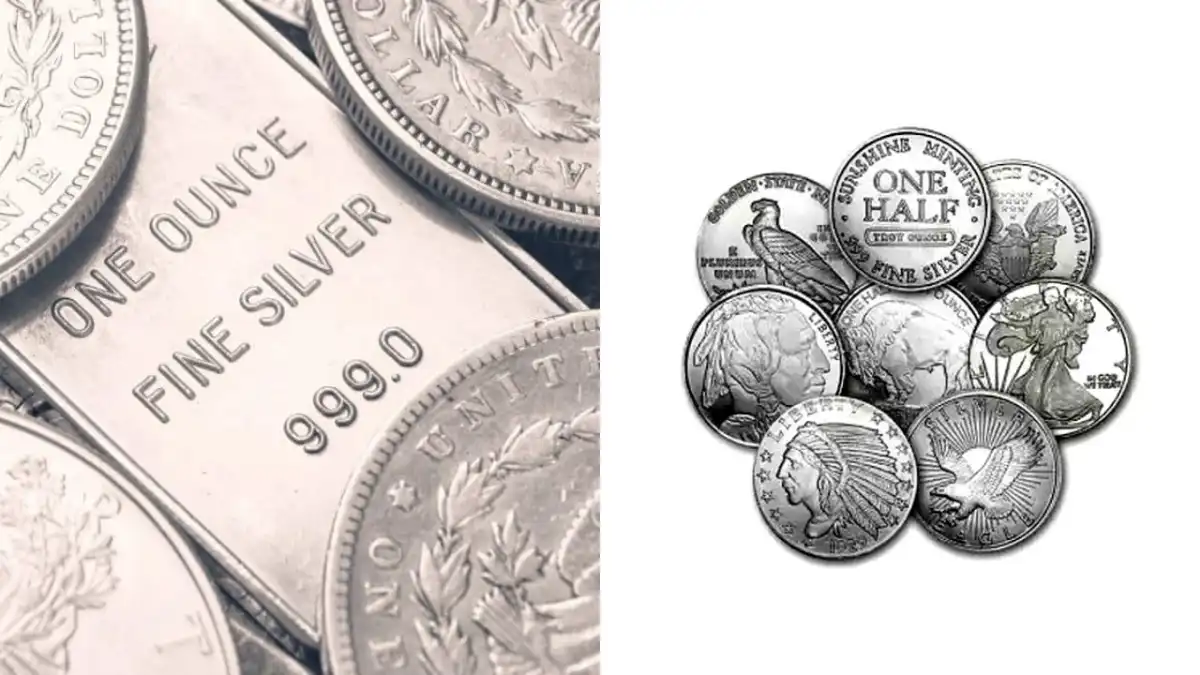
Silver Spot Price Today
If you keep hearing about the silver spot price but aren’t sure what it actually means, you’re in the right place. This plain-English guide explains how the silver spot price is set, why it changes minute-by-minute, how to read a chart, and simple ways U.S. investors can get exposure—without getting tripped up by fees and jargon.
What is the silver spot price?
The silver spot price is the current market price for one troy ounce of silver for immediate delivery. Think of it as the reference price used by refiners, mints, dealers, and exchanges. When you buy coins, bars, ETFs, or even futures, most quotes start with the silver spot price and then add a premium (for fabrication, distribution, and dealer margin) or a basis (for futures carrying costs).
Related terms to know
- Bullion (physical bars and coins)
- LBMA (London Bullion Market Association) and COMEX (a U.S. futures market)
- Bid-ask spread (difference between buy and sell quotes)
- Gold-silver ratio (how many ounces of silver it takes to buy an ounce of gold)
- Contango/Backwardation (when futures trade above/below spot)
- Custody (how and where your metal is stored)
How the silver spot price is determined
In today’s electronic markets, the silver spot price reflects continuous trading across major venues and market makers. The price you see on a trading app or dealer site is typically derived from:
- Futures markets (COMEX): Highly liquid contracts signal where professional traders value silver now and in coming months.
- Over-the-counter (OTC) markets: Banks and bullion dealers quote each other directly, helping set the cash market.
- Data aggregators: Platforms combine these feeds and publish a consolidated silver spot price you can reference.
Why prices move intra-day
- U.S. dollar strength: Silver is priced in USD; a stronger dollar often pushes the silver spot price down.
- Interest rates & Fed policy: Rising yields increase the opportunity cost of holding non-yielding metal.
- Inflation expectations: Higher inflation tends to support the silver spot price as investors seek hedges.
- Industrial demand: Silver is crucial in solar panels (photovoltaics), EVs, electronics, and medical uses.
- Investment flows: ETF creations/redemptions and futures positioning can swing momentum quickly.
- Risk appetite: In risk-off episodes, investors sometimes rotate toward precious metals as a safe haven.
Reading a silver spot price chart like a pro
A chart isn’t just lines—it’s a decision tool. Here’s what to watch:
- Trend: Is the silver spot price making higher highs and higher lows (uptrend) or rolling over?
- Support & resistance: Round numbers (like $20, $25, $30) often act as psychological levels.
- Moving averages: Simple markers (e.g., 50-day/200-day) help gauge momentum.
- Volatility: Silver historically swings more than gold; plan position sizes accordingly.
- Gold-silver ratio: When the ratio is high, silver may be valued cheaply versus gold (not a guarantee).
Pro tip: Use alerts. If the silver spot price touches your key level, you’ll know instantly instead of staring at charts.
Spot vs. premiums, spreads, and “the price you actually pay”
Retail buyers rarely pay the silver spot price. You’ll see:
- Premiums on coins and bars (fabrication + logistics + dealer margin)
- Bid-ask spread (what you pay to buy versus what you’d receive to sell)
- Sales tax (varies by U.S. state)
- Shipping/insurance (for physical delivery)
Combining these costs, the all-in price can be meaningfully above the silver spot price—important when you calculate your break-even.
Popular ways to invest in silver (U.S. focus)
You can express a view on the silver spot price across different vehicles. Each has trade-offs in cost, convenience, and risk.
1) Physical bullion (coins/bars)
- Pros: Tangible asset, no counterparty risk if you self-custody; collectible appeal for some coins.
- Cons: Premiums and shipping; storage and security; possible state taxes.
- Best for: Long-term holders who want metal they can touch.
2) Exchange-traded funds (ETFs)
- Pros: Convenient brokerage access; typically tight spreads; easy to buy/sell.
- Cons: Ongoing expense ratio; you don’t personally hold bars; trust the fund’s custodian.
- Best for: Investors who want exposure to the silver spot price without storing metal.
3) Mining stocks & royalty companies
- Pros: Leverage to silver moves; dividends for some; company-specific catalysts.
- Cons: Business risks (costs, reserves, management); can underperform the silver spot price trend in both directions.
- Best for: Stock pickers comfortable with corporate analysis.
4) Futures & options (advanced)
- Pros: Direct, capital-efficient exposure; ability to hedge or use options strategies.
- Cons: Requires margin discipline; complex; contract roll and basis risk.
- Best for: Experienced traders who understand futures mechanics.
When to buy: timing vs. discipline
You can try to time the silver spot price—or keep it simple with dollar-cost averaging (DCA):
- DCA approach: Buy a fixed dollar amount at regular intervals. This smooths volatility and reduces the urge to “go all-in.”
- Value cues: Look for wide premiums to shrink, or watch the gold-silver ratio for relative value hints.
- Event-driven entries: Fed decisions, CPI reports, and major earnings seasons can inject volatility into the silver spot price—use alerts to be ready.
Risk controls that pros use
- Define your maximum position size before you buy.
- Use stop-loss or mental stop levels if you’re trading trend breaks.
- Diversify across vehicles (e.g., a core ETF + some physical).
Costs & taxes: what U.S. investors should know
- Dealer selection: Compare total delivered price, not just the headline silver spot price.
- IRA eligibility: Some bullion is allowed in self-directed IRAs; check rules before funding.
- Recordkeeping: Track cost basis, premiums, and shipping so you can calculate gains precisely.
- Tax treatment: Physical silver is often treated as a collectible in the U.S. (check current rules with a tax professional).
Common myths about the silver spot price
- “Spot is the price I will pay.” Not quite; the retail price usually adds premiums and shipping.
- “Premiums don’t matter.” They do—high premiums can delay profitability even if the silver spot price rises.
- “ETFs always track perfectly.” Tracking is usually tight, but expense ratios and fund mechanics still matter.
- “Miners = more return, always.” Company risks can swamp the silver spot price trend in both directions.
Practical checklist before you buy
- Set a goal: inflation hedge, portfolio diversifier, or trade?
- Choose a vehicle: physical, ETF, miners, or futures.
- Calculate all-in costs: premiums, spreads, taxes, storage.
- Use alerts on the silver spot price at key levels.
- Decide your exit plan: long-term hold vs. profit targets.
[bulk_faq title=”FAQs” schema=”on” accordion=”on”]
FAQs
1-What exactly is included in the silver spot price?
It’s the cash market reference quote for one troy ounce of silver with immediate settlement. Retail quotes add premiums to the silver spot price for fabrication, distribution, and dealer margin.
2-Why does the silver spot price change so quickly?
Because silver trades globally on futures and OTC markets. As interest rates, the U.S. dollar, and risk sentiment shift, traders re-price the silver spot price in real time.
3-Is silver only a “crisis hedge”?
Silver can act as a store of value, but it’s also an industrial metal. Solar, EVs, and electronics demand can support the silver spot price even outside of safe-haven phases.
4-Should I buy bars or coins?
Bars often have lower premiums per ounce; popular coins can have higher liquidity when selling. Compare the total price to the silver spot price before deciding.
5-What’s the gold-silver ratio?
It’s the number of silver ounces needed to buy one gold ounce. Some investors use it to judge relative value versus the silver spot price.
6-Can I put silver in an IRA?
Certain bullion products are IRA-eligible. The silver spot price is still your core reference, but check specific IRS rules and custodian fees.
7-What makes premiums jump?
When mints are backlogged or demand spikes, premiums over the silver spot price rise. Supply chain stress and shipping costs can add pressure too.
[bulk_faq]
Where silver can fit in a diversified portfolio
Many U.S. investors allocate a small slice of their long-term portfolio to precious metals. Silver can play a role as:
- Diversifier: It tends to behave differently from stocks and bonds during certain macro shocks.
- Inflation buffer: Over multi-year cycles, metals may help offset purchasing-power erosion.
- Tactical trade: Active traders use momentum or mean-reversion rules on the price of silver to seek shorter-term opportunities.
Position sizing ideas
- Conservative investors might cap metals exposure at 2–5% of total investable assets.
- Balanced investors sometimes target 5–10%, mixing an ETF core with some physical.
- Traders may size smaller per position but rebalance more often.
The key is to define your objective first—hedge, diversifier, or trade—and then choose the instrument that best matches your timeframe, risk tolerance, and liquidity needs. Keep fees, bid-ask spreads, taxes, and storage front-of-mind so that what you earn is not swallowed by friction.
Conclusion: keep it simple, make it disciplined
The silver spot price is your anchor—learn how it’s set, why it moves, and how costs change the price you actually pay. Decide your goal, pick the right vehicle, and automate good habits with alerts or DCA. With a clear plan and cost awareness, you can let the silver spot price work for you rather than surprise you.
Disclaimer: This article is for education only and is not financial, tax, or investment advice. Always do your own research and consult licensed professionals.