Key Highlights
- The United Nations has accused the United States of breaching international human rights law with deadly airstrikes on boats in the Caribbean and Pacific.
- A recent strike by the Pentagon killed six people in the Caribbean, while another in the Eastern Pacific resulted in four deaths.
- U.N. High Commissioner for Human Rights Volker Türk called for an investigation into the strikes, stating they are unacceptable under international law.
- The U.S. government defended its actions, claiming the strikes were part of anti-drug and counter-terrorism measures.
UN Condemns US Airstrikes on Boats in Caribbean and Pacific
The United Nations has accused the United States of breaching international human rights law with deadly airstrikes on boats in the Caribbean and Pacific, a development that highlights ongoing tensions between global governance and national security policies.
U.S. Strikes and Casualties
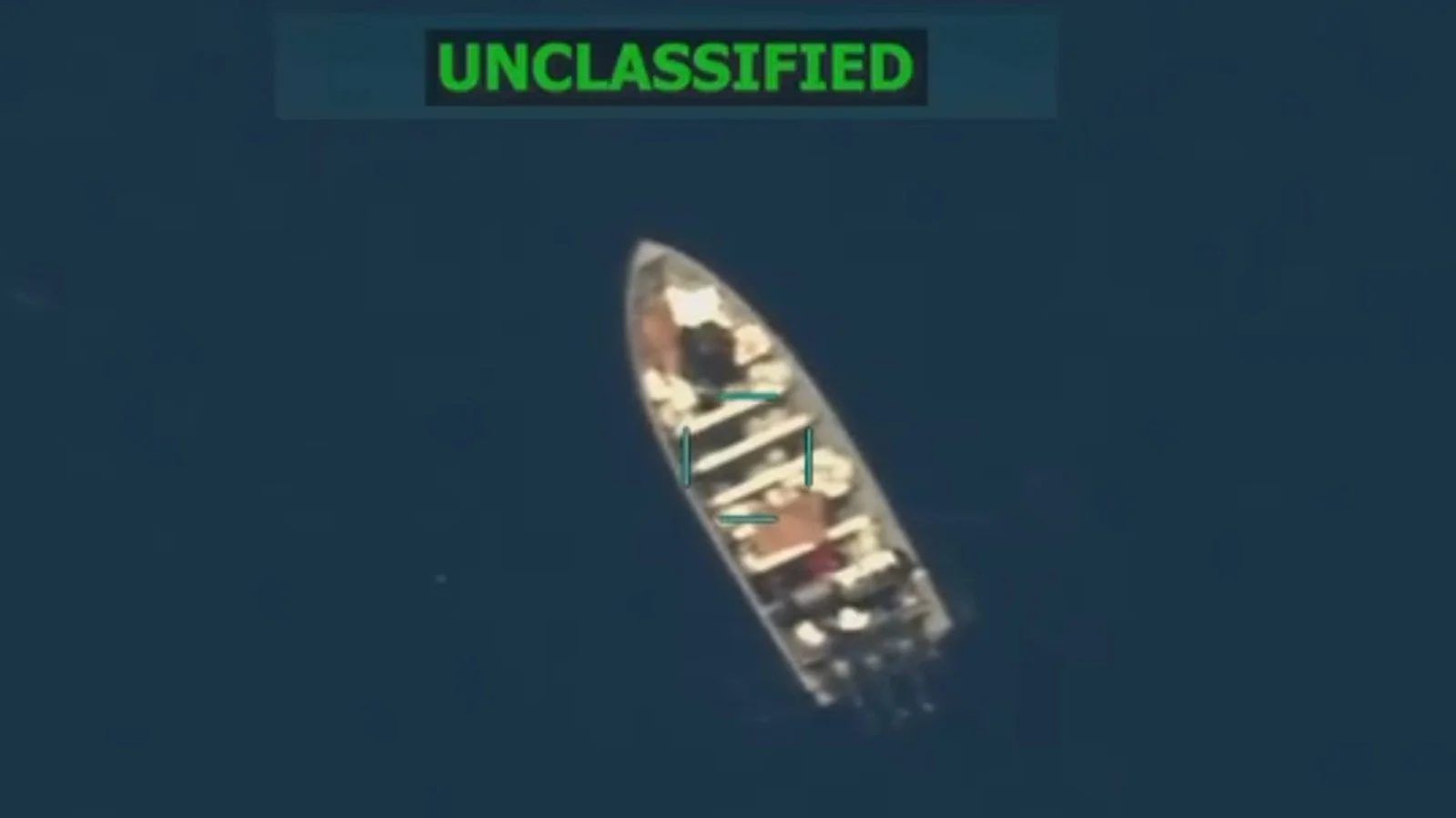
In a recent statement to ABC News, Defense Secretary Pete Hegseth announced that the U.S. had carried out another strike against an alleged drug vessel in the Eastern Pacific on October 29, 2025, killing four people. This is part of a series of strikes since September, with over 60 people reportedly killed, according to U.S. officials.
Earlier this month, a strike in the Caribbean resulted in the death of six individuals, bringing the total casualties to more than 10 from such operations by the Pentagon.
UN Response and Criticism
The United Nations, through its High Commissioner for Human Rights Volker Türk, has condemned these strikes. In a statement to ABC News, Türk emphasized that “These attacks – and their mounting human cost – are unacceptable. The U.S. must halt such attacks and take all measures necessary to prevent the extrajudicial killing of people aboard these boats.”
According to Türk, under international human rights law, lethal force can only be used as a last resort against individuals who pose an imminent threat to life. He further noted that based on publicly available information from U.S. authorities, none of those on the targeted boats appeared to justify the use of lethal armed force.
Shamdasani, a spokeswoman for Türk, echoed these sentiments at a Friday briefing: “The U.S. must halt such attacks and take all measures necessary to prevent the extrajudicial killing of people aboard these boats.”
U.S. Defense Secretary’s Response
@SecWar/X White House deputy press secretary Anna Kelly defended the U.S. actions, stating that President Donald Trump is working to eliminate threats to U.S. security. “The UN has failed at everything from operating an escalator to ending wars — it’s ridiculous that they are now lecturing President Trump and running cover for evil narcoterrorists trying to murder Americans,” Kelly said.
She continued, “The President acted in line with the laws of armed conflict to protect our country from those trying to bring poison to our shores, and he is delivering on his promise to take on the cartels and eliminate these national security threats from destroying lives.”
Background and Analysis
The series of airstrikes has raised significant concerns about the balance between anti-drug efforts and human rights. Critics argue that such operations can lead to extrajudicial killings, which are violations of international law.
International organizations like the U.N. have long emphasized the need for due process and fair trials in cases involving lethal force. The strikes continue a trend seen over the past few years, with multiple countries facing scrutiny for their counter-terrorism and anti-drug measures.
The United States has defended its actions as necessary for national security but faces increasing pressure from human rights groups and international bodies to ensure compliance with legal standards.
Future Implications
The ongoing dispute between the U.S. and the U.N. underscores the complex challenges in balancing national security interests with global human rights obligations. As more information emerges, this case could set important precedents for how states justify and carry out military operations against suspected drug traffickers and terrorists.
Experts warn that such actions could embolden other nations to pursue similar strategies, potentially leading to further clashes between international law and state sovereignty claims in the realm of counter-terrorism and anti-drug efforts.