Key Highlights
- The Orionid meteor shower will peak on 21 October 2025, offering a great viewing opportunity.
- The new Moon phase during the peak enhances visibility and increases the chances of spotting meteors.
- Observing tips include finding a dark location, using a reclining chair, and allowing your eyes to adapt to darkness.
- The Orionids are caused by the dust trail left behind by Halley’s Comet as it orbits the Sun.
Orionid Meteor Shower: A Cosmic Spectacle in October 2025
This autumn, astronomy enthusiasts have a celestial treat to look forward to with the peak of the Orionid meteor shower. The shower is expected to reach its zenith on 21 October 2025, offering prime conditions for stargazers to catch a glimpse of these fleeting cosmic phenomena.
The Best Time and Conditions
The Orionid meteor shower occurs annually between 2 October and 7 November, but the peak activity this year will be particularly favorable. The shower’s radiant point—where meteors appear to originate—is close to the constellation Orion, making it a popular choice among astronomy enthusiasts.
One of the key factors enhancing the viewing experience is the Moon’s new phase during the peak period. With no lunar interference, the night sky will be exceptionally dark, leading to an increased visibility of meteors. According to Pete Lawrence, an astronomer, this makes the nights of 20/21 and 21/22 October the ideal time for observing the Orionids.
Understanding the Meteor Shower
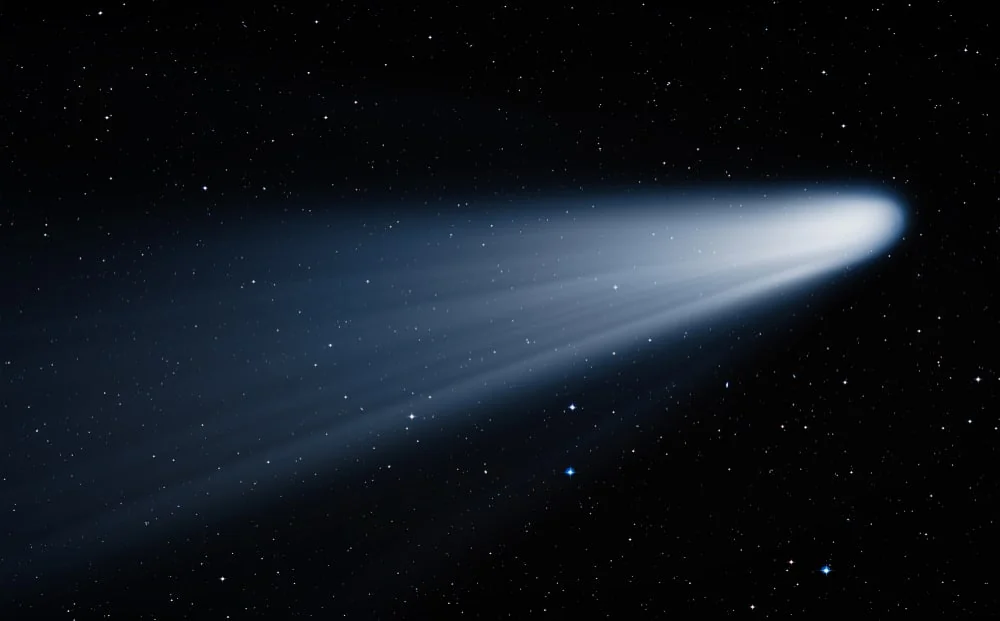
Meteor showers occur when Earth passes through a stream of debris left behind by comets or asteroids. In the case of the Orionid meteor shower, these particles originate from Halley’s Comet (1P/Halley), which has been making its journey around the Sun for centuries.
Halley’s Comet, famous for its periodic appearances in Earth’s sky, last visited our planet in 1986. However, even when not visible to the naked eye, it leaves behind a trail of dust and ice that periodically intersects with Earth’s orbit, leading to meteor showers like Orionids.
How to Observe the Orionid Meteor Shower
To maximize your chances of seeing an Orionid, follow these tips:
- Location: Choose a dark site away from urban light pollution. Rural areas offer clearer skies and better visibility.
- Comfort: Use a reclining chair to avoid neck strain while gazing at the sky for extended periods.
- Adaptation Time: Allow 20 minutes for your eyes to adjust to darkness, enhancing your ability to spot meteors.
- Group Observation: Share the experience with others and take turns recording observations.
During peak activity, you can expect to see around 20 meteors per hour. However, actual sightings may vary based on atmospheric conditions and light pollution in your area.
The Orionid Meteor Shower: A Celestial Reminder of the Cosmos’ Splendor
The Orionid meteor shower is not only a beautiful spectacle but also an educational tool that highlights the continuous interaction between comets, Earth, and our atmosphere. By observing these meteors, you are witnessing a piece of Halley’s Comet burning up in the atmosphere.
For those eager to experience this cosmic event, prepare yourself with patience and the right conditions. The Orionids provide an excellent opportunity for both amateur astronomers and casual skywatchers to marvel at the night sky’s transient beauty. As Pete Lawrence aptly puts it, “Orionid meteors are a fleeting reminder of the universe’s grandeur.”