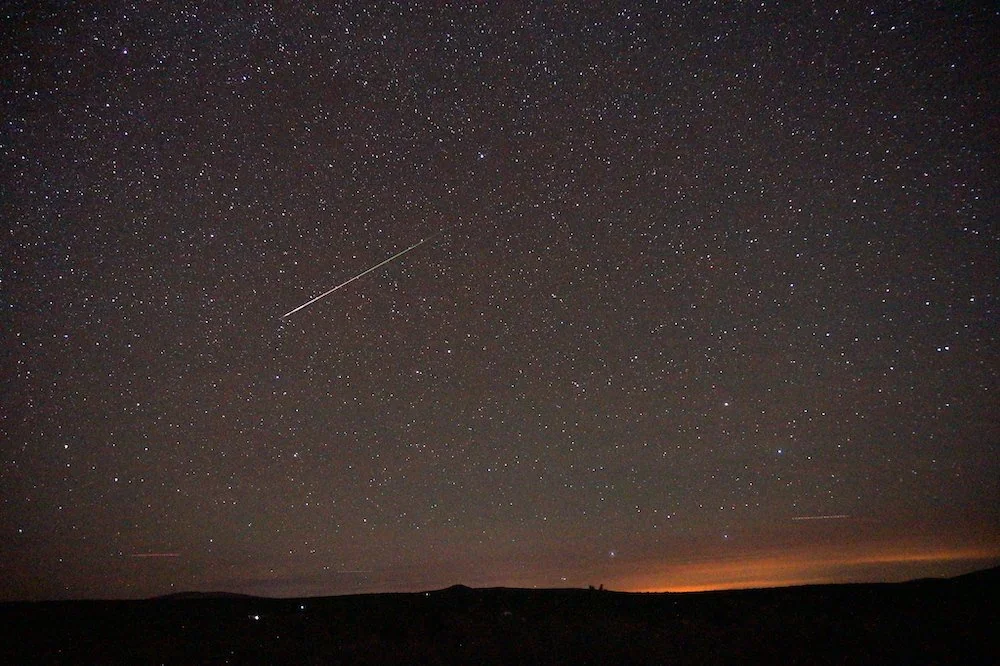
Key Highlights
- The Orionid meteor shower is one of the most beautiful showers of the year according to NASA.
- This annual event peaks between October 21 and 23, with the best viewing times in the early morning hours.
- Meteors are known for their brightness and speed during this shower, adding to its visual appeal.
Understanding the Orionid Meteor Shower
The Orionid meteor shower is a celestial spectacle that occurs annually in October and November. This year, it will peak between October 21 and 23, providing an excellent opportunity for stargazers to witness this natural phenomenon.
The Orionids are part of the debris left by Comet 1P/Halley. Every time Earth passes through these remnants, they burn up in our atmosphere, creating brilliant streaks of light across the night sky. NASA refers to them as “one of the most beautiful showers of the year,” due to their speed and brightness.
How to Watch the Orionid Meteor Shower
To maximize your viewing experience, it’s important to know where and when to look. NASA recommends lying flat on your back with your feet facing southeast in the Northern Hemisphere or northeast in the Southern Hemisphere. This position helps you take in as much of the sky as possible.
It typically takes about 30 minutes for your eyes to adjust to the night sky, so it’s advisable to arrive early and give yourself time to settle in before the shower reaches its peak. The showers will continue until sunrise the next day, offering multiple opportunities to catch a glimpse of these shooting stars.
Expert Insights on Orionid Meteor Showers
The American Meteor Society provides further insights into the shower’s activity. They note that the Orionids have a zenithal hourly rate (ZHR) of 20, which means under ideal conditions, observers might see up to 20 meteors per hour.
“The Orionids are unique for their fast and bright meteors,” explains NASA. “These meteoroids are known for creating stunning displays in the night sky.” The agency also suggests that viewers should allow their eyes at least 30 minutes to adjust to the darkness, as this will significantly enhance their chances of seeing more meteors.
For those interested in viewing the shower, it’s worth noting that it is visible from anywhere on Earth. However, optimal conditions for viewing are typically found away from light pollution, in open areas with a clear view of the sky.
Conclusion
The Orionid meteor shower offers a rare opportunity to witness nature’s beauty and wonder. With its peak occurring between October 21 and 23, now is the perfect time for astronomy enthusiasts and casual observers alike to step outside and marvel at these celestial events. By following NASA’s guidelines on when and where to look, you can increase your chances of catching a glimpse of these magnificent shooting stars.
Remember, the Orionid meteor shower is just one part of the broader phenomenon of meteor showers, which are a testament to the ongoing processes in our solar system. As we gaze up at the night sky during this event, we are reminded of the vast and ever-changing universe that surrounds us.