Key Highlights
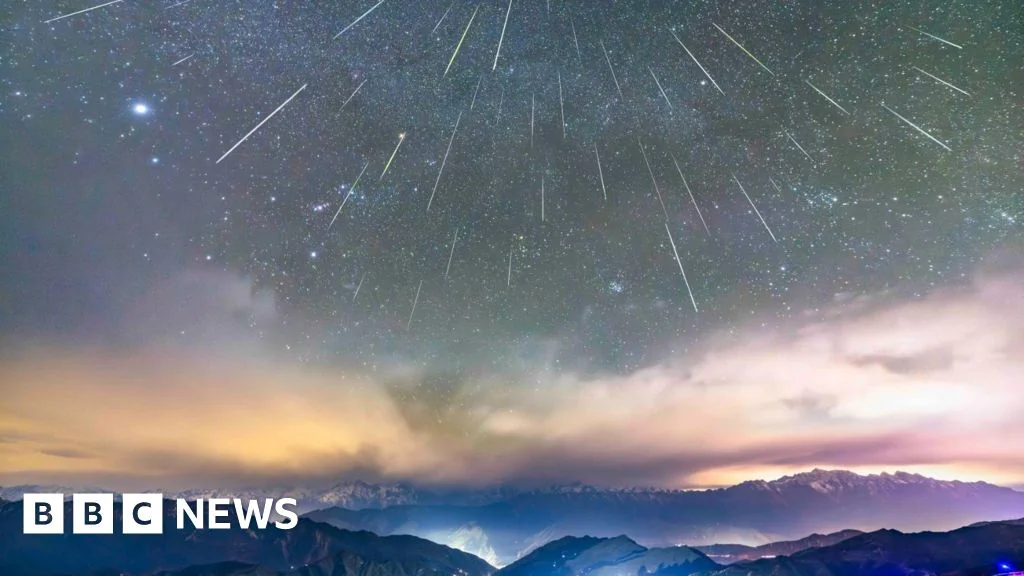
- The Geminid meteor shower is set to peak this weekend and could provide a spectacular show if weather permits.
- The meteors are visible all over the world but people in the Northern Hemisphere will get the best views.
- In the UK, clear skies could offer an especially striking view due to the waning Moon rising late after midnight.
- Astronomers predict that on a good night, viewers might see up to 100 meteors per hour.
The Geminid Meteor Shower: A Spectacular Celestial Event
The Geminid meteor shower is one of the most spectacular in the celestial calendar and is set to peak this weekend. This natural phenomenon, which occurs when Earth passes through the trails of a unique asteroid called 3200 Phaethon, offers skywatchers an incredible opportunity to witness nature’s light show.
The Science Behind Geminids
When comets or asteroids pass close to the sun, they leave behind trails of dust and debris. As Earth passes through these trails, the particles enter our atmosphere and burn up, creating the bright streaks we see as shooting stars. For the Geminids, however, the source is an asteroid named 3200 Phaethon, which was previously thought to be a comet.
Recently, scientists discovered that Phaethon’s tail is actually made of glowing sodium gas, adding an extra layer of intrigue to this meteor shower. Despite this new information, the Geminids continue to offer one of the year’s best chances to see a shooting star display, with up to 100 meteors per hour under ideal conditions.
Viewing Conditions and Tips
For optimal viewing, it is essential that the skies are clear. In the UK, the waning crescent Moon will not rise until after midnight, providing several hours of dark skies for stargazers. Dr Robert Massey from the Royal Astronomical Society advises viewers to look slightly away from the constellation of Gemini for a wider field of view.
It’s recommended that you dress warmly and take a blanket or reclining chair to get comfortable.
Your eyes need time to adapt to the darkness, so be patient as you wait for the celestial display. With just reasonable eyesight, you can enjoy this natural wonder, making it a unique way to connect with the sky and forget about earthly concerns.
Weather Forecast for the Geminids Peak
The Geminids meteor shower is expected to peak on Sunday 14 December. Unfortunately, weather conditions in the UK are not looking ideal. Both Saturday and Sunday are forecasted to be windy and cloudy with outbreaks of rain during the night.
However, Northern Scotland and the Northern Isles, as well as parts of East Anglia and southeast England, may have better chances due to clearer spells.
To check for the best viewing conditions in your area, you can track The Met Office’s UK Cloud Cover Map and BBC Weather updates. Remember that visibility is heavily influenced by weather, so it’s crucial to keep an eye on local forecasts as gaps in cloud cover could appear unexpectedly.
So, grab a warm blanket and head out under the stars this weekend. With some patience and clear skies, you might just be lucky enough to witness one of nature’s most awe-inspiring displays: the Geminid meteor shower.
