Key Highlights
- Huw Irranca-Davies denied claims the greyhound racing ban was a ‘political fix’
- The deputy first minister faced challenges from fellow Labour member Alun Davies over the timing of draft law proposals
- Evidence suggests the ban was part of an agreement with Liberal Democrats’ leader in Wales, Jane Dodds
- Irranca-Davies insisted plans for a ban were based on ethical considerations such as injuries and fatalities
Debate Over Greyhound Racing Ban Intensifies in Welsh Parliament
The political integrity of the Welsh government is at stake after accusations emerged that the decision to ban greyhound racing was part of a budget deal. During an intense evidence session on Monday, October 20, Labour member Alun Davies challenged deputy first minister Huw Irranca-Davies over the timing and purpose of draft law proposals related to the controversial ban.
Accusations of Political Fix
Alun Davies cited a published 2025/26 Welsh Government budget agreement, which lists ‘a move to ban greyhound racing in Wales’ as part of the deal. During his questioning, Davies argued that the ban was not merely an ethical consideration but a premeditated political decision aimed at securing support for the Labour government’s budget.
“I’m entirely unconvinced by the argument that it’s a separate process,” Davies stated during the Senedd’s legislation committee scrutiny of the prohibition of greyhound racing bill. “The Welsh Government did not bring forward any proposals on this matter prior to that agreement, so it is difficult to disentangle the two.”
Deputy First Minister Defends Ethical Considerations
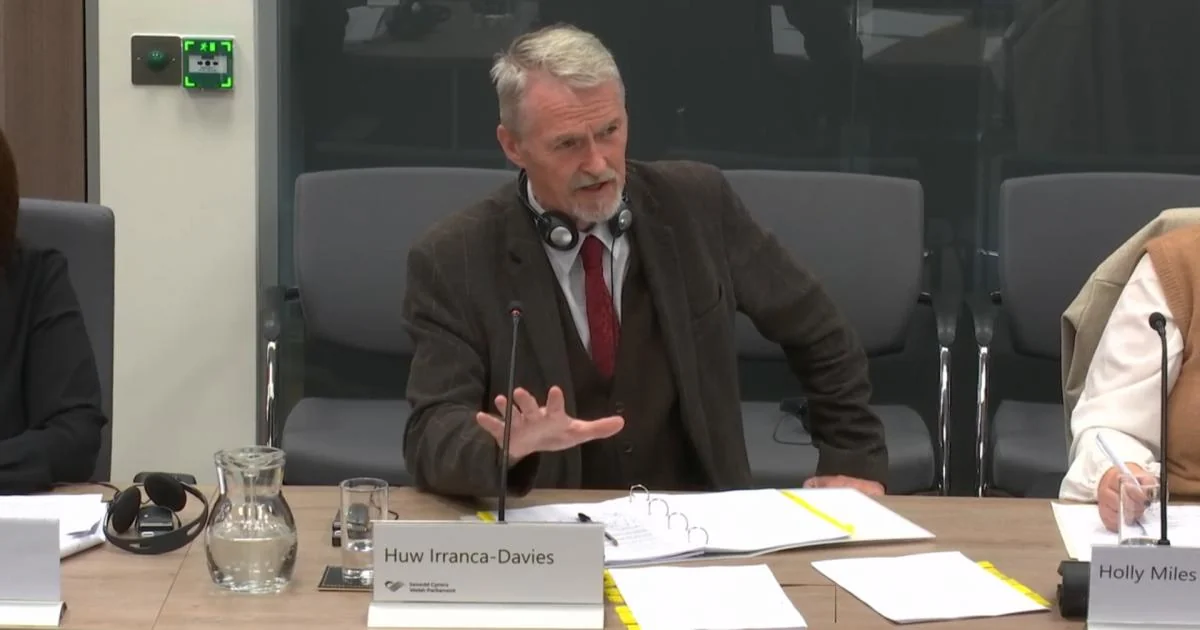
In response, Huw Irranca-Davies firmly defended the ethical basis of the proposed ban. The deputy first minister, who holds responsibilities for animal welfare, maintained that plans for a ban were based on serious concerns about injuries and fatalities.
Appearing before the Senedd’s legislation committee, he stated: “There are two parallel but separate processes going on. One is to do with budget considerations, and those are serious matters for any government; the other one is the rights and wrongs of bringing forward legislation on the prohibition of greyhounds.” Irranca-Davies emphasized his clarity on the rationale behind the ban, stating it was “very clear” on both counts.
Separate Processes or Political Deal?
The dispute over the legitimacy of the ban has thrown a spotlight on internal government dynamics. While Irranca-Davies insisted that ethical considerations were paramount, his colleague Alun Davies argued that there was a clear linkage between budget negotiations and legislative proposals. “You and I were sat in the same meetings when some of this was discussed,” Davies contended, suggesting that ministers failed to complete impact assessments before asking people to take steps to ban a currently lawful activity without sufficient information.
Implications for Welsh Government
The ongoing debate has significant implications for the Welsh government’s credibility and future policy-making processes. The allegations of a ‘political fix’ could undermine public trust in the government’s decision-making, especially as animal welfare issues remain highly sensitive topics. Furthermore, the scrutiny over budget negotiations may lead to increased calls for transparency and accountability within the Labour administration.
As the debate continues, both supporters and critics of the greyhound racing ban are watching closely to see how the issue plays out in the coming weeks and months. The outcome could set a precedent for future policy decisions, influencing not only animal welfare legislation but also broader discussions on political integrity and public trust within Welsh governance.