Key Highlights
- The U.S. Supreme Court agreed to review a case that challenges the federal ban on firearms for individuals with a history of drug use.
- This case is part of the court’s current term, which has already seen significant gun control cases.
- Ali Danial Hemani’s case centers around his indictment under the guns-and-drugs law after the FBI found weapons and drugs at his home.
- The government argues that habitual drug users pose unique dangers to society, especially when armed while impaired.
Background on Gun Control Legislation
The federal ban on firearms for individuals with a history of drug use is part of a broader effort to address the intersection of gun ownership and substance abuse in America. This legislation has been in place since 1968 as an amendment to the Gun Control Act, aiming to prevent those who have shown a pattern of illegal drug use from possessing firearms.
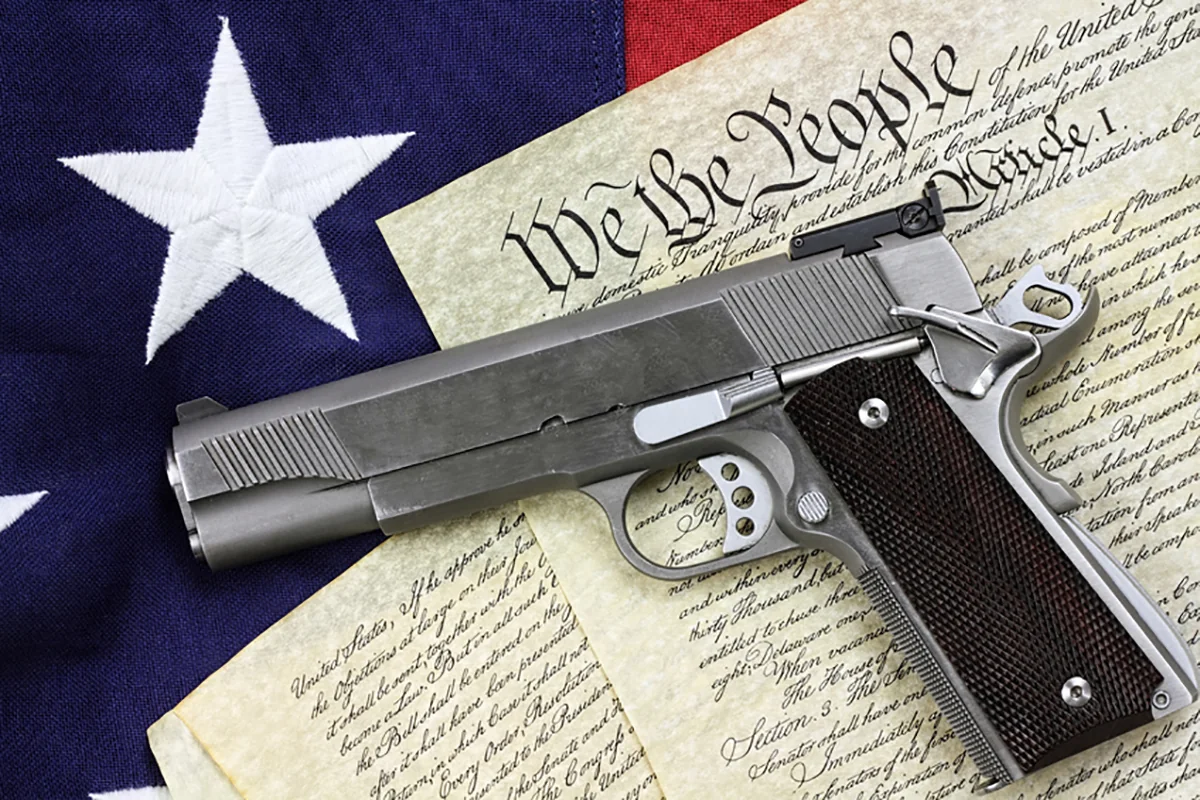
However, the recent case of Ali Danial Hemani challenges the legality of this ban under the Second Amendment, which guarantees the right to bear arms. The case has sparked debate about the extent to which gun control measures can infringe on constitutional rights and how these laws should be applied in practice.
The Supreme Court’s Involvement
In a rare move, the Trump administration is defending this ban against legal challenges. The Department of Justice argued that habitual drug users present unique risks to public safety due to their potential impairment when armed. This stance contrasts with previous arguments by the government in other gun control cases, where it has often taken a more permissive approach.
The case will be closely watched as the Supreme Court considers whether the ban on firearms for habitual drug users is narrowly tailored enough to pass constitutional muster under the Second Amendment. The court’s decision could have far-reaching implications for federal and state gun control measures targeting individuals with substance abuse issues.
Expert Perspectives and Future Implications
Legal experts suggest that this case could set important precedents regarding the application of the Second Amendment in specific contexts, such as those involving public safety concerns. Professor David Kopel from the Independence Institute noted, “The Supreme Court’s decision here will likely influence how other cases related to gun control and individual rights are interpreted in the future.”
While some argue that the ban is necessary for public safety, others contend that it unfairly targets individuals based on their drug use history rather than current dangerousness. As the court deliberates, stakeholders from various backgrounds will be closely monitoring the outcome to understand its impact on both gun control policies and constitutional rights.
Conclusion
The Supreme Court’s decision in this case could redefine how federal laws regarding firearm possession by individuals with a history of drug use are interpreted. As the court prepares for arguments, all eyes will be on Washington, D.C., to see how these complex issues are resolved, potentially shaping gun control legislation for years to come.