Key Highlights
- Oliver Bearman faced a potential race ban after breaching track limits during the United States Grand Prix.
- The incident involved Bearman and Andrea Kimi Antonelli, with Antonelli penalized 10 seconds for leaving room on the inside at Turn 15.
- Bearman expressed frustration over the penalty but acknowledged it was a close call based on driving guidelines.
- The Haas upgrade proved successful in qualifying for the grand prix, securing Bearman’s eighth position start.
Racing Frenzy at the United States Grand Prix
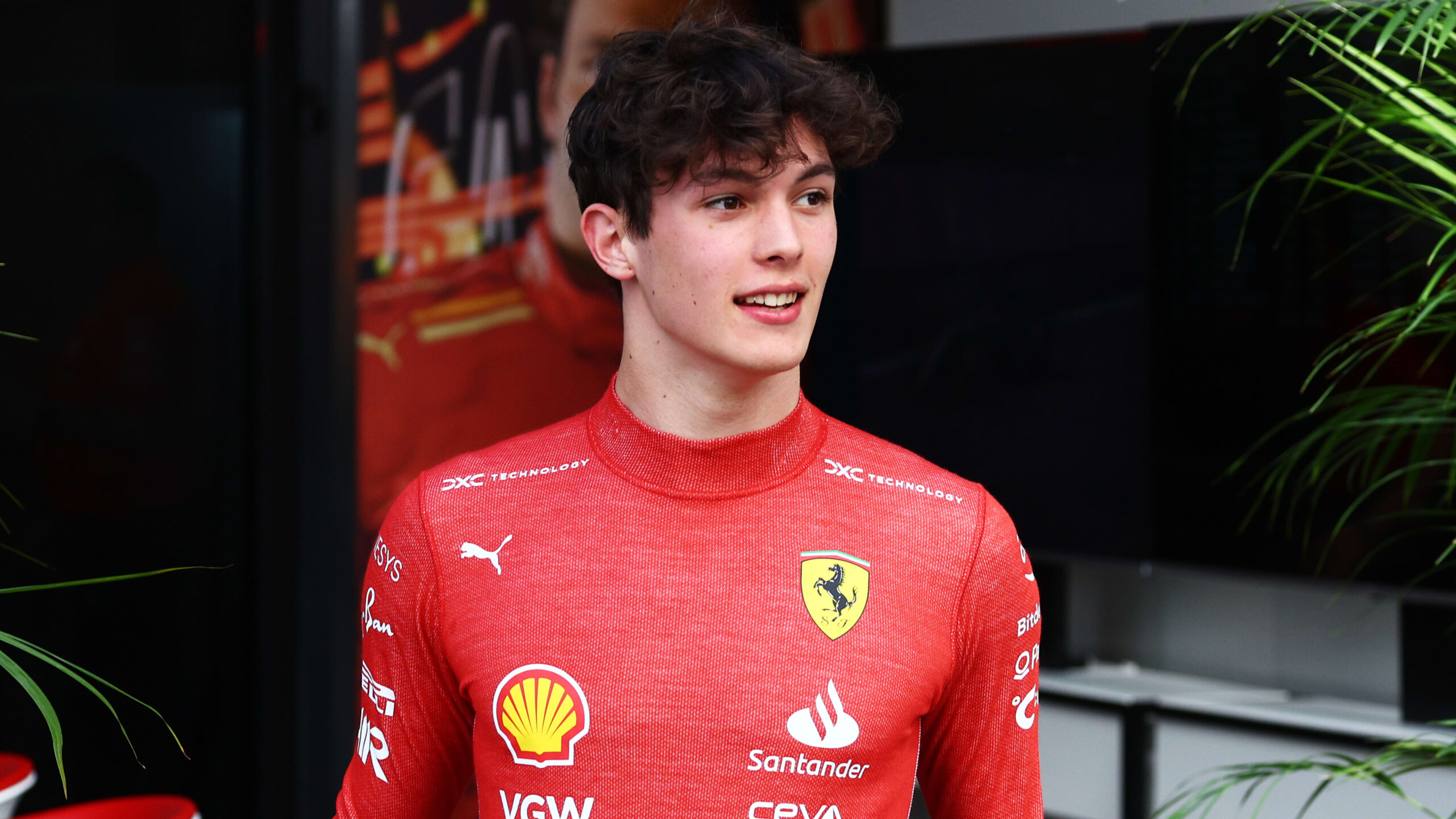
Formula 1 drivers engaged in high-stakes racing during the Austin sprint session of the United States Grand Prix. The action-packed event saw Oliver Bearman, a rookie driver for Haas F1 Team, narrowly avoid a race ban after breaching track limits rules.
Close Call with Track Limits
In an intense battle for the last points-paying position on lap 14 of 19 at Turn 15, Bearman managed to sweep around the outside, but his action extended beyond the track. According to FIA driving guidelines, if a driver is ahead on the inside and fails to leave room on the outside, they can face penalties. Bearman was hit with a 10-second penalty for this infraction, which dropped him from eighth place to 15th in the sprint classification.
Stewarding and Safety Considerations
The incident took place just before the safety car deployment due to Lance Stroll’s collision with Esteban Ocon. Bearman recounted his frustration, saying, “I thought I had a race ban for a minute.” He admitted that the team did not have enough time to make a decision on whether Antonelli should be allowed through.
“From our view at the time, we didn’t have a long time to really think about it, because the safety car came out directly,” Bearman stated. “But from where I’m sitting, it’s really marginal.”
Haas Upgrade and Qualifying Success
The Haas team introduced an upgrade during free practice that proved successful for both cars in qualifying. While the new parts posed challenges in sprint qualifying, they secured Bearman’s eighth position on the starting grid.
“Generally, I think the upgrade is pushing us in the right direction,” Bearman said. “I would say it makes the car a little bit more sensitive and a bit more on the limit because I did a mistake in Q2 in my second run. Just a bit of wind is enough to flick the rear around.”
“But it’s definitely faster, so that’s all we need,” he added with pride.
F1 Community Reacts: Balancing Fair Play and Entertainment
The incident sparked debate among F1 fans regarding the severity of penalties for track limits violations. Some supporters like Marcel Penzkofer suggested that time penalties might be too severe, arguing they discourage drivers from engaging in competitive battles.
Others, such as TheVoiceOfRaisins, advocated for clearer stewarding roles: “It shouldn’t be up to the drivers and teams to decide whether they need to give the place back. They are effectively having to prejudge the stewards’ decision, and if they get it wrong, they get a penalty.”
Conclusion
A Lesson in Racing Etiquette and Strategy
The incident at Austin serves as a reminder of the delicate balance between aggressive racing tactics and fair play. While Bearman and Antonelli’s actions were within the spirit of competition, the incident highlights the need for clearer guidelines to ensure consistent enforcement.
As Formula 1 continues to evolve, discussions on rule-making and stewarding roles will likely continue, aiming to strike a balance between thrilling racing and maintaining fair play. For now, Bearman remains focused: “But anyway, tomorrow I’ll try not to be fighting with anyone.”
Oliver Bearman‘s experience at the Austin Grand Prix offers valuable insights into the complexities of modern Formula 1 racing, where every second and millimeter can make a significant difference.