Key Highlights
- The Supplemental Nutrition Assistance Program (SNAP) may face funding disruptions in some states due to the ongoing federal government shutdown.
- Texas and Pennsylvania are among the states warning recipients that November SNAP benefits will be halted if the shutdown continues beyond October 27.
- Without a federal budget, State WIC Agencies could run out of funds as early as November 1, jeopardizing nutrition for millions of mothers, babies, and young children.
- The government shutdown has already impacted critical food assistance programs, with potential further disruptions expected if the shutdown continues.
Government Shutdown: A Crisis for Low-Income Americans
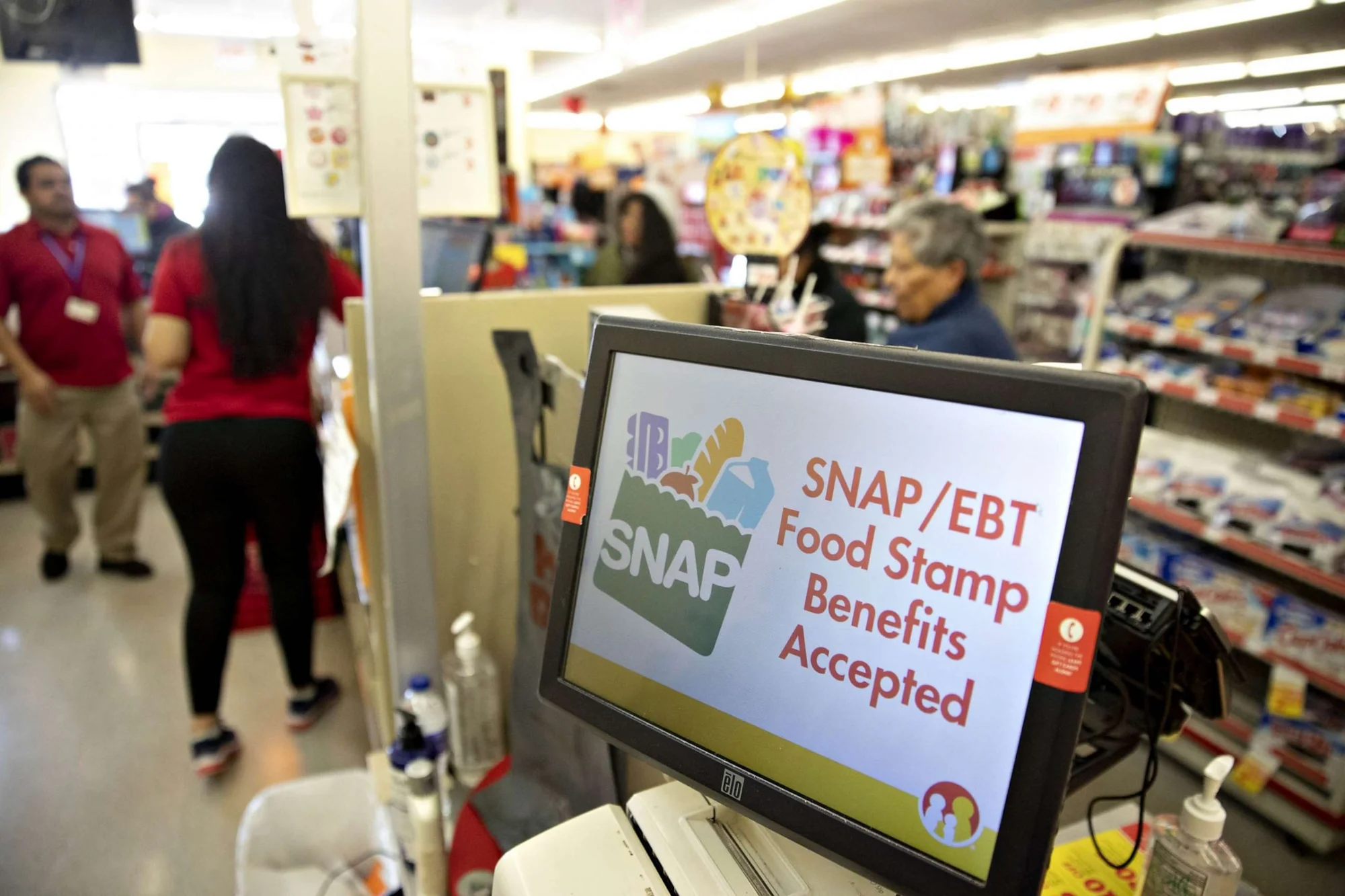
The federal government’s ongoing shutdown poses a significant threat to millions of low-income Americans who rely on vital food assistance programs. The Supplemental Nutrition Assistance Program (SNAP), often referred to as “food stamps,” serves approximately 42 million people across the United States, providing critical support for those in need.
Impact of the Shutdown
The government shutdown, now in its 21st day, has created uncertainty and financial strain for many families. Texas officials have issued a warning that all November SNAP benefits will be halted if the shutdown continues past October 27. Similarly, Pennsylvania officials are also at risk of suspending SNAP distributions if the impasse persists.
These warnings highlight the precarious situation facing states in managing their assistance programs during a federal funding lapse. The USDA Food and Nutrition Service, which administers the SNAP program, faces challenges in ensuring timely benefit disbursements without federal support.
WIC Program Struggles
The Women, Infants, and Children (WIC) program is another critical food assistance initiative that has faced funding issues. While the White House provided $300 million to help WIC survive through October 31, states are now at risk of running out of funds by November 1. The National WIC Association CEO, Georgia Machell, emphasized the dire consequences if no additional funding is secured:
“Without additional funding, State WIC Agencies may be forced to take drastic measures that prevent families from accessing the services they need, such as halting food benefits. This would directly jeopardize the health and nutrition of millions of mothers, babies, and young children.”
Historical Context
This disruption is not a new challenge for SNAP recipients. In recent months, the program has faced substantial cuts due to President Donald Trump’s megabill, which is estimated to cut the program by $186 billion over 10 years. The current shutdown adds another layer of uncertainty and hardship for millions of Americans.
These events underscore the critical role that federal funding plays in ensuring the stability and effectiveness of food assistance programs. As the government shutdown continues, stakeholders are urging lawmakers to find a resolution quickly to prevent further disruptions and protect vulnerable communities.
Conclusion
The ongoing federal government shutdown is not only a political issue but also a humanitarian crisis for millions of low-income Americans. The potential halting of SNAP benefits and WIC programs in some states highlights the urgent need for a comprehensive resolution to the budget impasse. Until then, families across the country will continue to face significant challenges in accessing essential food support.