Key Highlights
- Stakeholders from the greyhound racing industry testified before the Senedd ban committee regarding a proposed bill to ban greyhound racing in Wales.
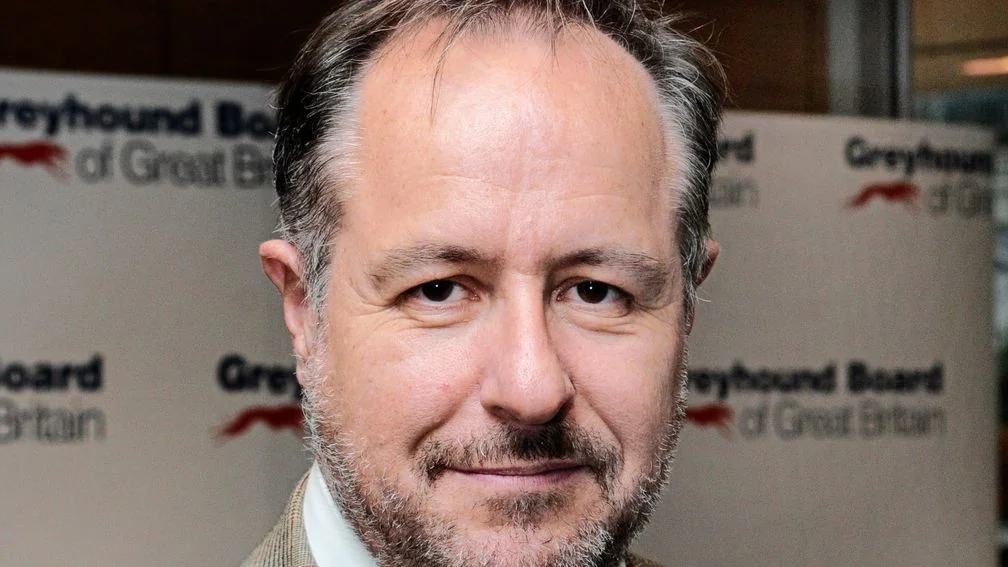
- The CEO of GBGB, Mark Bird, criticized the animal rights groups and individuals behind the bill for pushing “distortions of facts.”
- Bird highlighted concerns about the relevance of outdated reports and emphasized that Valley Greyhound Stadium has only been regulated for two years.
- Industry representatives stressed the importance of greyhound welfare and their commitment to regulatory compliance.
The Greyhound Racing Debate in Wales
On Thursday, key stakeholders from the greyhound racing industry presented their case before the Welsh Culture, Communications, Welsh Language, Sport and International Relations Committee. The session came as part of a proposed bill to ban greyhound racing in Wales, sparking intense debate over animal welfare and legislative change.
The Industry’s Position
Mark Bird, CEO of GBGB (Greyhound Breeding & Greyhound Board), emphasized the industry’s stance during the meeting. “This bill delivers neither on animal welfare nor addresses the political motives behind it,” he stated, asserting that animal rights groups and individuals are targeting various aspects of animal use including horseracing, whippet racing, dog agility, sled dog racing, and even livestock farming.
Bird further highlighted the importance of regulatory compliance: “The Valley Greyhound Stadium has only been regulated for two years. It beggars belief that we still have to explain why a report from 2018 or observations from 2008 hold no relevance in today’s licensed sport.”
Industry Commitment to Welfare
The commitment to greyhound welfare was another focal point of the discussion. Katie Bennison, Valley promoter and GBGB director, praised the trainers who provided evidence during the session: “All credit goes to those trainers who volunteered to give oral evidence or submitted written evidence.” She added that the industry is open to further engagement with Welsh government members.
Simon Franklin, chairman of the Racecourse Promoters Association (RCPA), echoed Bird’s sentiments regarding the distortions and unbalanced nature of the debate: “There has been deep frustration, distress, and at times anger about the cited facts. We want our voices heard and to see more balanced engagement from all sides.”
The Political Context
Politics played a significant role in shaping the discussion. Mark Bird drew attention to the recent Plaid Cymru victory in Caerphilly, suggesting that local people are calling for the Labour government’s focus to shift away from unnecessary legislative measures and towards addressing pressing issues like NHS waiting times and rising energy costs.
Bird also noted positive interactions with some committee members, such as Lindsay Whittle MS, who visited Valley during his campaign. However, he emphasized the need for ongoing dialogue: “I look forward to engaging further with members across the political spectrum in Wales to show the benefits of robust regulation.”
Industry Context and Future Implications
The greyhound racing industry in Wales faces a complex landscape of legislative challenges intertwined with public sentiment and political priorities. The proposed ban, if enacted, could have significant ramifications for the industry’s future, impacting not only financial operations but also the welfare standards currently upheld.
As the debate continues, stakeholders are calling for a balanced approach that respects animal welfare while addressing broader societal concerns. The outcomes of this legislative process will be closely watched by both supporters and critics alike, shaping the future of greyhound racing in Wales.
Note: This article is based on factual information provided in the original content as of 24 October 2025.