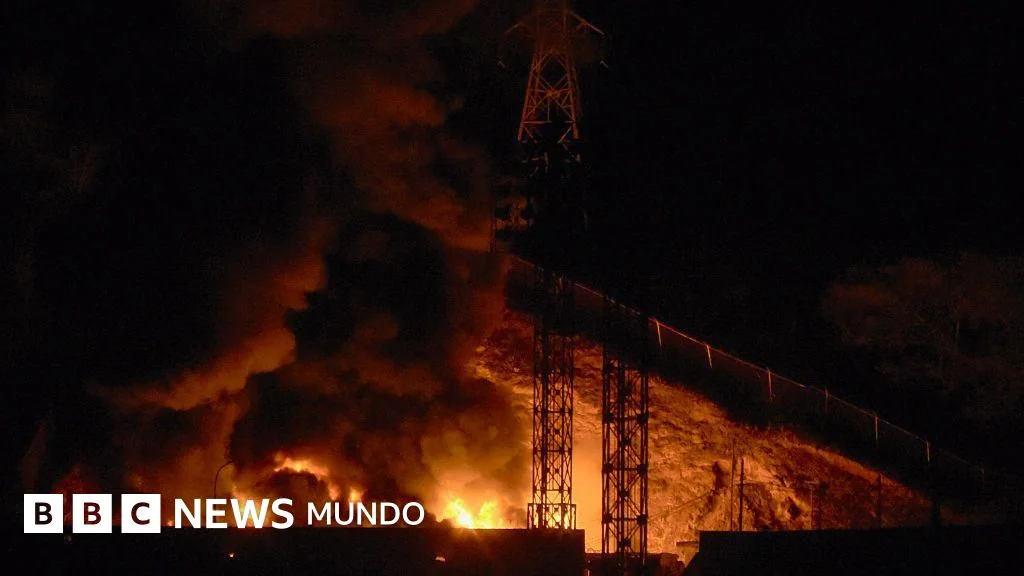
- Venezuelan President Nicolás Maduro denounces explosions as a “criminal ataque” by the U.S.
- Colombia and Cuba react to the reported explosions with calls for peace and urgent action
- U.S. has reportedly increased military presence in the Caribbean, hinting at potential attacks
- Venezuelan government declares state of commotion following the explosions
Diplomatic Tensions Escalate: U.S.-Venezuela Clash Ignites Regional Concerns
The situation in Venezuela has taken a dramatic turn as the South American nation’s leadership accused the United States of orchestrating “criminal ataque” explosions, igniting tensions and drawing immediate reactions from key regional allies.
Maduro’s Accusations
Venezuelan President Nicolás Maduro denounced reports of explosions in his country as a “criminal attack by the United States,” labeling it an act of aggression aimed at destabilizing Venezuela. His statement came amid reports from citizens and journalists that detonations were heard throughout Caracas and other parts of the nation, with some sources indicating activity lasted into the early hours of January 3, 2026.
Regional Reactions
The Colombian government, sharing a border with Venezuela, was one of the first to respond. President Gustavo Petro expressed deep concern over the reports and called for de-escalation, urging all parties involved to refrain from actions that would deepen confrontation. “Colombia takes a position oriented towards the preservation of regional peace,” Petro stated.
Cuba, a close ally of Venezuela in the region, also reacted swiftly. President Miguel Díaz-Canel condemned the reported attack and demanded an urgent international response, describing it as a criminal act by the United States against Venezuela. His statement highlighted the potential global ramifications: “Our #ZonaDePaz is being brutally assaulted,” he said.
U.S. Military Posture
The United States has been increasing its military presence in the Caribbean, raising suspicions of impending conflict. According to reports by CBS and BBC News Mundo, President Donald Trump reportedly ordered attacks on various parts of Venezuela, including military installations, though these claims are not confirmed.
Venezuelan Government Response
The Venezuelan government swiftly responded with a statement rejecting the U.S. aggression, declaring it “a grave military attack.” They emphasized that such actions threaten regional stability and peace, especially in Latin America and the Caribbean. Maduro’s government has declared a state of commotion to address the crisis.
Expert Analysis: A Complex Web of Diplomacy
The incident has set off alarm bells across South American nations, many of which are grappling with their own internal challenges while navigating complex geopolitical dynamics. Analysts suggest that such acts could exacerbate existing tensions and destabilize the region further.
Implications for Regional Stability
This development underscores the delicate balance between maintaining regional peace and addressing ongoing political and economic issues in Venezuela. As neighboring countries weigh their responses, there is a growing concern about the potential for broader conflict and its ripple effects on global stability.
Conclusion
A Call for Dialogue and Diplomacy
The reactions from key Latin American nations highlight the immediate impact of such incidents on regional relations. Both Colombia and Cuba have called for urgent dialogue to address this crisis, emphasizing that peaceful resolutions are preferable to escalatory actions that could further destabilize the region.
As tensions continue to rise, it remains crucial for all parties involved to engage in constructive diplomatic efforts aimed at de-escalation and peacekeeping. The coming days will likely see more developments as regional players navigate this complex geopolitical landscape.