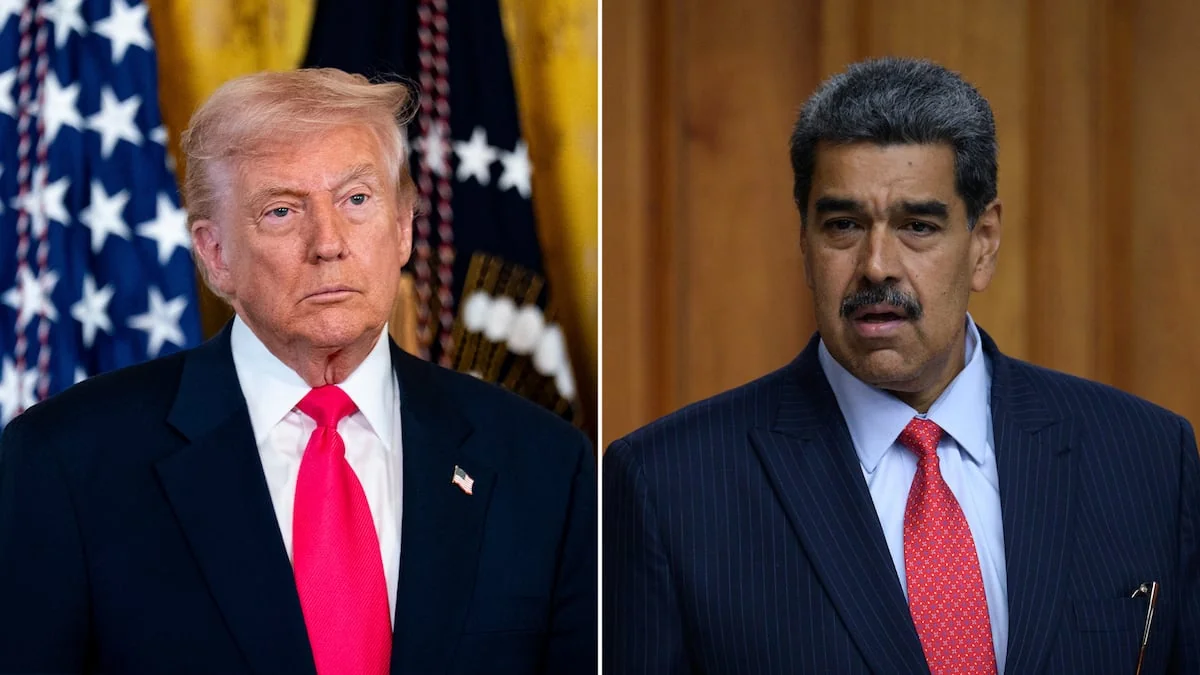
Key Highlights
- Donald J. Trump and Nicolás Maduro held a phone call amid heightened tensions between the U.S. and Venezuela.
- The call aims to explore diplomatic avenues despite ongoing hostilities, including accusations of drug trafficking against Maduro’s regime.
- A potential meeting between the leaders in the U.S. could signify a shift in relations but has not been confirmed yet.
- U.S. military presence in the Caribbean and its actions targeting alleged drug traffickers have increased tensions.
The Diplomatic Tension: Trump and Maduro’s Call for Dialogue
In an unexpected move, Donald J. Trump, the President of the United States, engaged in a phone call with Venezuelan President Nicolás Maduro on November 28, 2025. This call, reported by The New York Times, marks a significant shift as it contrasts with the ongoing hostilities between both nations.
Ambiguities and Diplomacy
The conversation was brief but pivotal, according to sources cited in The New York Times. It included discussions about future meetings between Trump and Maduro on U.S. soil. While no concrete plans have been made public, the mere suggestion of such a meeting is seen as a potential opening for dialogue.
Despite the call’s positive overtones, it comes during a period of heightened tension.
The U.S. has significantly increased its military presence in the Caribbean, while Venezuela has accused these actions of being direct threats to its sovereignty and leadership. The context is complex, with both sides trading accusations and posturing.
Strategic Maneuvering: Tensions and Diplomatic Moves
The U.S.’s strategy seems to be a delicate balance of escalating pressure while simultaneously exploring diplomatic avenues. Marco Rubio, the U.S. Secretary of State and vocal proponent of increased pressure on Maduro’s regime, also participated in the call.
Trump has been consistent in his approach, leaving room for dialogue but maintaining a strong stance against what he perceives as drug trafficking activities by Venezuela. He emphasized that both paths—diplomatic or military—are acceptable under certain circumstances.
Military Actions and Their Impact
In the days leading up to this call, Trump had announced plans to intensify operations targeting Venezuelan drug traffickers “by land,” a move that highlights the dual nature of U.S. strategy. While these actions have been successful in disrupting some maritime trafficking, they also raise concerns about further escalation.
U.S. officials argue that their attacks are necessary to protect American citizens and disrupt illegal activities. However, critics argue that such tactics may lead to unintended consequences, including civilian casualties and broader destabilization of the region.
The Way Forward
While the exact details of the call remain undisclosed, it represents a potential turning point in U.S.-Venezuelan relations. The tension between diplomatic engagement and military action continues to define this critical period for both nations.
The outcome will depend on how these two approaches are balanced moving forward, with all eyes on future interactions between Trump and Maduro as they navigate the complex landscape of international diplomacy and regional security.