Key Highlights
- Europe’s leaders struggle to speak as one on Iran despite US-Israeli military build-up in the Middle East.
- European countries like France, Germany, and UK issue joint statements but appear uncoordinated politically.
- The European Union faces challenges in acting together due to varying national priorities and historical sensitivities.
- France announces changes to its nuclear doctrine amid growing global competition in the nuclear arena.
- Italy’s prime minister Giorgia Meloni faces a tough balancing act between Italian public opinion and support for Ukraine.
The Struggle of European Unity on Iran
You might think this is new, but Europe has struggled to speak as one on complex issues like Iran. For weeks, leaders watched the US military build-up in the Middle East and heard threats from the Trump administration to Tehran: give up all nuclear aspirations or face consequences.
A Lack of Coordination
Since the attack started three days ago, this continent has looked uncoordinated at best. France, Germany, and the UK managed a joint statement warning Iran about defensive actions, but it seems more like a Band-Aid than a unified front. The UK agreed to use its military bases for strikes on Iranian missile sites, though President Trump criticized their lack of involvement.
Italy’s Dilemma
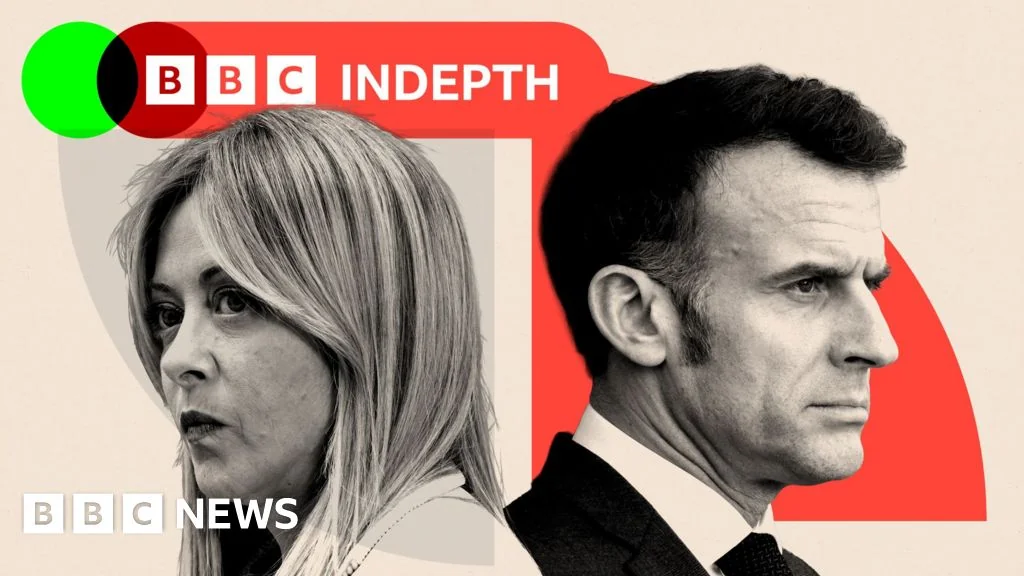
The Italian prime minister Giorgia Meloni is performing a delicate dance between public opinion and international obligations. Unlike other leaders who have been quick to support the US-Israeli actions, she has kept a low profile. Her warm relationship with President Trump complicates her position as Italians are divided on the issue.
Facing New Global Challenges
Europe now faces an era of closer cooperation but struggles with internal unity. The year 2026 marked significant turmoil, from Venezuela to Iran. With Russia expanding its influence and China becoming economically aggressive, Europe must navigate these new dynamics. France’s Emmanuel Macron announced changes to their nuclear doctrine, reflecting the evolving global landscape.
The German Shift
Germany, under Chancellor Friedrich Merz, is taking a different path from previous governments, focusing on bolstering its military presence and aid to Ukraine. This shift is welcomed by other European powers but still faces significant public resistance rooted in historical conflicts and national sensitivities.
Europe’s leaders must navigate these challenges carefully, balancing international pressure with domestic concerns. The coming months will reveal whether Europe can truly speak as one on Iran or if it remains fractured, caught up in the maelstrom of Middle Eastern events.