Key Highlights
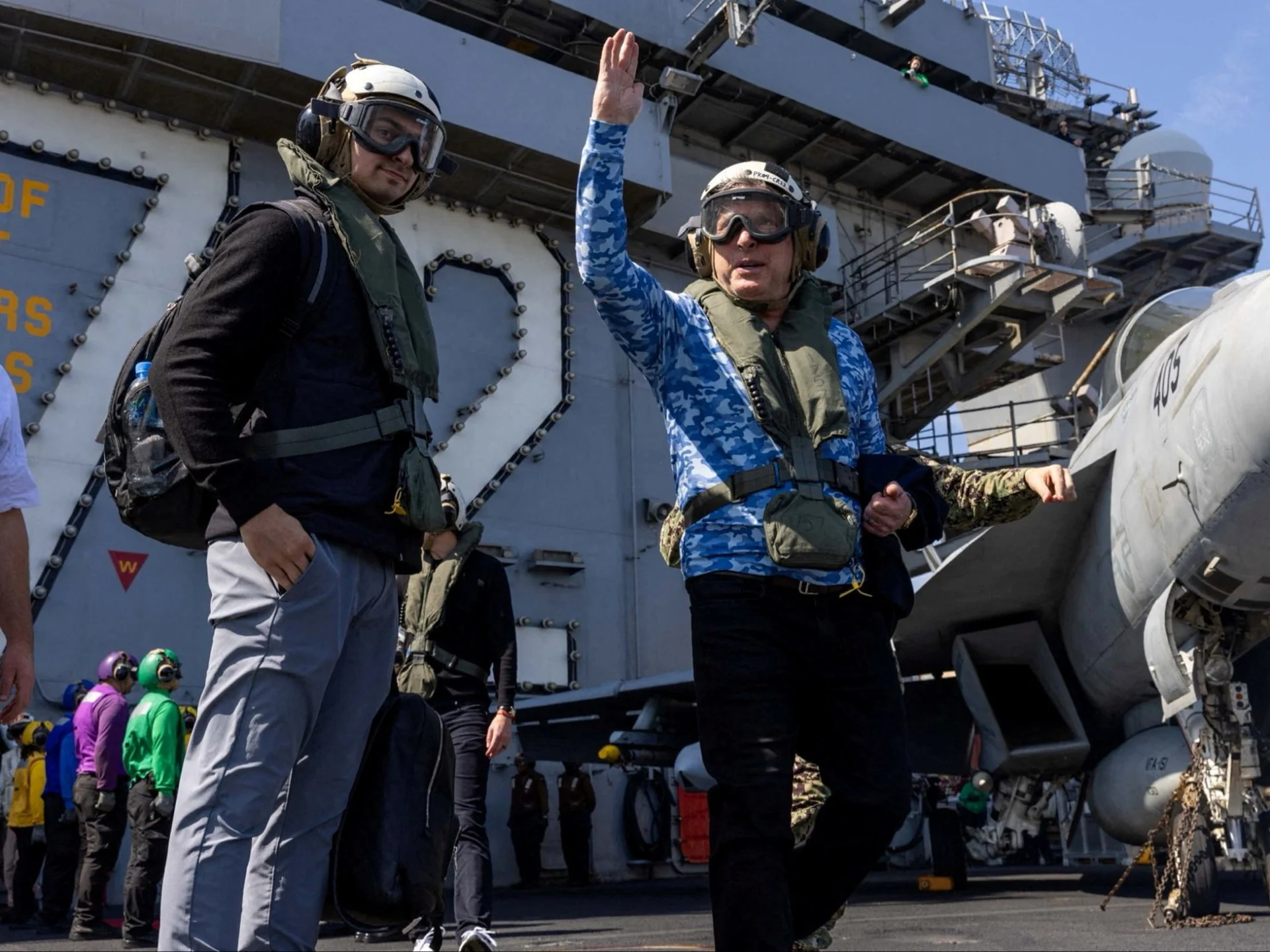
- The United States is preparing a second aircraft carrier for deployment in the Middle East amid ongoing tensions with Iran.
- US President Donald Trump confirmed the move on his Truth Social platform.
- Two aircraft carriers will be stationed in the region to support existing deployments.
- Iran has dismissed Israel’s involvement in negotiations and warned against any interference.
The US Response to Iran: A Persistent Military Presence
US President Donald Trump appears to be doubling down on his strategy of maintaining a robust military presence in the Middle East, despite recent diplomatic efforts. Just days after hosting Israeli Prime Minister Benjamin Netanyahu, Trump announced that another aircraft carrier would soon join the USS Abraham Lincoln in the region.
The decision comes at a critical time as Iran continues to navigate ongoing nuclear talks with the United States and other world powers. The deployment of additional military assets is seen as a direct response to Iran’s refusal to completely halt its missile program, which it claims is for defensive purposes only.
Diplomacy Meets Hard Power
While US officials maintain that they are committed to a diplomatic resolution with Iran, the reality on the ground suggests otherwise. The USS Gerald R Ford, one of the largest aircraft carriers in the world, is set to sail from the Caribbean Sea to join the Abraham Lincoln, effectively doubling the number of carrier strike groups in the region.
“This move by the US is not a new strategy,” a US official told Al Jazeera. “It’s part of our ongoing commitment to ensure regional stability and deter any potential threats from Iran.”
Iran’s Reactions: A Firm Stand
Iran, for its part, has dismissed Israel’s involvement in the negotiations and warned against any attempts to undermine the current diplomatic process. Ali Larijani, Iran’s security chief, stated unequivocally that Iran would not engage in talks with Israel.
“Our negotiations are exclusively with the United States – we are not engaged in any talks with Israel,” said Larijani to Al Jazeera.
Iran has also accused the US of attempting to sabotage its negotiations, a claim supported by recent reports of US efforts to undermine Iran’s internet access during protests last month.
A Persistent Skepticism
You might think this is new, but it’s not. The United States has been playing both sides of the equation for years: using diplomacy to create leverage and military presence as a deterrent. The latest move by Trump underscores his belief that pressure on Iran will eventually lead to a favorable outcome.
But the real question remains: how long can this balancing act last before it becomes unsustainable?
For now, the US continues to maintain a firm stance, while Iran stands resolute against any outside interference.
The geopolitical landscape of the Middle East is complex and ever-changing. As tensions continue to simmer, only time will tell whether military presence or diplomacy will prevail in resolving the ongoing dispute with Iran.