Key Highlights
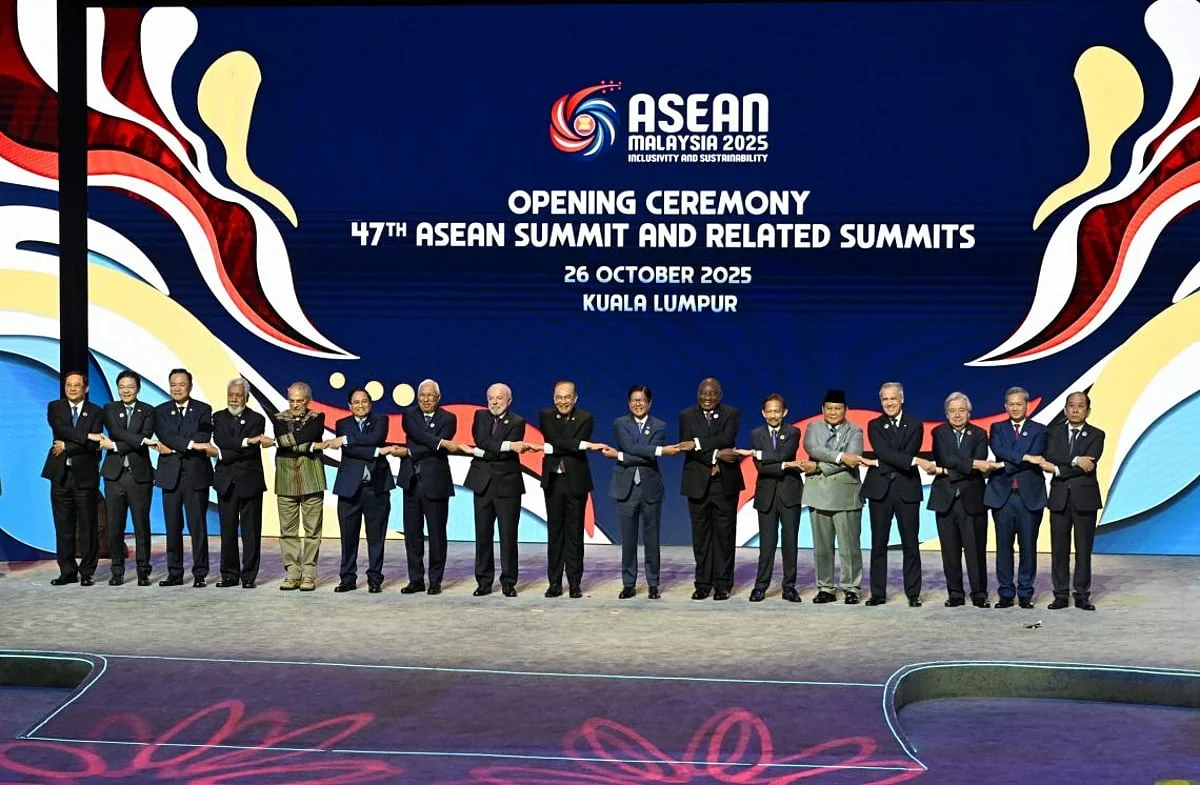
- The 47th ASEAN Summit was held in Kuala Lumpur, Malaysia, attended by key leaders.
- Understanding Trumpism is crucial for its lasting impact beyond President Donald Trump’s presidency.
- Tracing the roots of Trumpism back to 1989 and the concept of globalism and liberal hubris.
- Exploring the implications of Trumpism on American politics, culture, and economic policy.
The 47th ASEAN Summit: Understanding the Regional Context
The 47th ASEAN Summit took place in Kuala Lumpur, Malaysia, marking a significant gathering for regional leaders. The summit was inaugurated by Prime Minister Dato’ Seri Anwar Ibrahim of Malaysia, who also serves as the ASEAN Chair for 2025. This event brought together key figures from Southeast Asian nations and their dialogue partners, underscoring the importance of regional cooperation in a globalized world.
The Origins and Impact of Trumpism
Understanding Trumpism requires delving into its historical roots, which trace back to 1989. This was a pivotal year that marked the end of structural bipolarity between America and the former USSR. However, it also signified the rise of liberal hubris, as encapsulated by Francis Fukuyama’s “End of History” thesis.
According to this view, with the collapse of communism, global capitalism and democracy had triumphed over all other systems.
Fukuyama postulated that this would lead to a homogenous world where consumerism and utilitarian calculus would define society. This narrative was adopted by policymakers, leading to globalization driven by free-market fundamentalism and identity politics. As a result, the United States saw a reconfiguration of its social contract, with history being sanitized in favor of an atomized individual.
Implications for American Society
The economic and cultural shifts brought about by this globalist paradigm had profound effects on American society. The hollowing out of working-class jobs, coupled with high levels of immigration, created a sense of insecurity among the middle class. This discontent fueled the rise of Trumpism, epitomized by Donald Trump’s presidency.
His supporters felt disenfranchised by the perceived excesses of globalism and sought a return to more traditional values.
Trumpism challenged the established order in America, leading to a reevaluation of national identity and economic policy. The movement advocated for managed globalization rather than unchecked free trade, reflecting a broader backlash against globalist policies.
The Future of Globalization
The lessons from Trumpism extend beyond American shores. For ASEAN leaders and policymakers, understanding the rise of anti-globalist sentiment is crucial. The summit in Kuala Lumpur highlighted this need for regional cooperation in addressing shared challenges.
Leaders must navigate the complex interplay between economic integration and national sovereignty, ensuring that policies are balanced and inclusive.
The article concludes by urging Asian nations to engage with history critically and avoid falling into similar traps of liberal hubris. By doing so, they can better prepare for future political and policy shifts, ensuring that their societies remain resilient and balanced in an increasingly interconnected world.
Conclusion
In conclusion, Trumpism represents a significant shift in global politics, with lasting implications that extend beyond the United States. For ASEAN leaders, understanding this phenomenon is essential for crafting effective regional policies. By learning from the past, they can navigate the complexities of globalization and ensure that their nations thrive in an ever-changing world.