Key Highlights
- The end of Daylight Saving Time (DST) in 2025 is scheduled for November 2nd.
- President Donald Trump has proposed both permanent DST and standard time, depending on public preference.
- The Sunshine Protection Act, which would make DST permanent nationwide, has not passed Congress.
- In the fall, clocks fall back one hour, providing an extra hour of potential sleep or play.
Understanding Daylight Saving Time in 2025
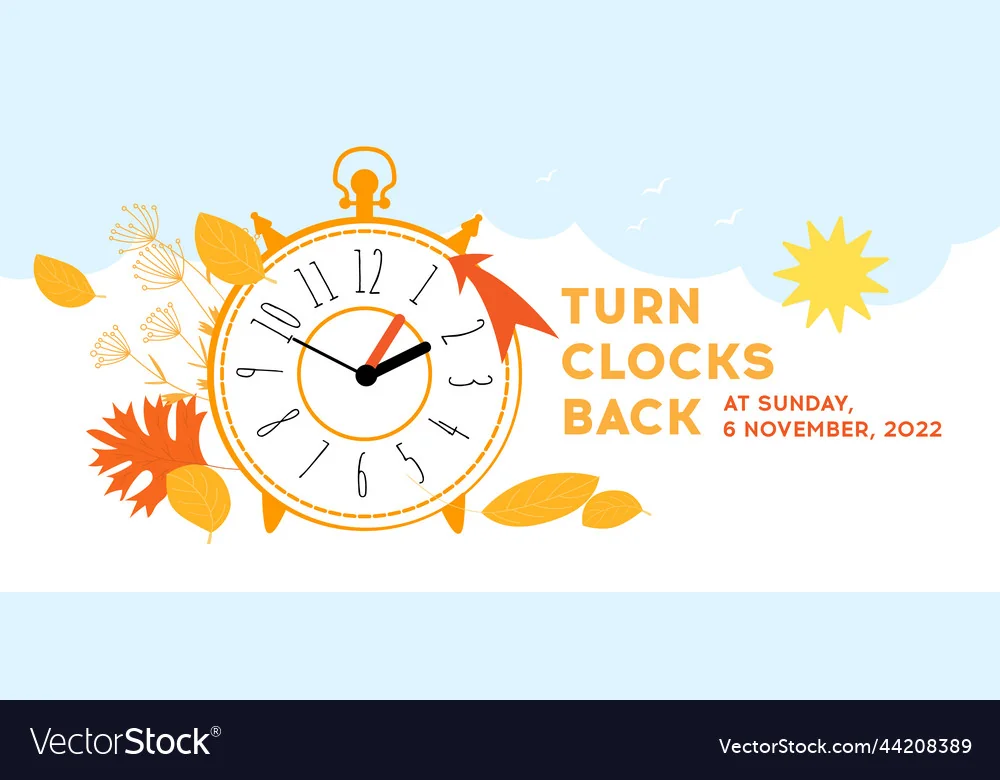
Daylight saving time (DST) will come to a close on November 2nd, 2025. At 2 a.m., clocks across the United States and many other parts of the world will be set back one hour. This adjustment marks the end of DST for another year, bringing earlier sunrises and potentially longer winter nights.
President Trump’s Stance on DST
President Donald Trump has had a mixed stance regarding DST over the years. In April 2025, he urged Congress to make DST permanent in an attempt to extend daylight hours into the evening. He wrote, “The House and Senate should push hard for more Daylight at the end of a day.
Very important and, most importantly, no more changing of the clocks, a big inconvenience and, for our government, A VERY COSTLY EVENT!!!” However, his proposal faced opposition from those who argue that permanent standard time would increase safety in the mornings for school children and align better with natural circadian rhythms.
Trump’s previous stance was different. In December 2024, he said he would work to end DST and make standard time permanent. Yet, in March of the same year, his position shifted slightly as he noted that “the issue is 50/50,” indicating a balance between those who prefer DST for extended evening daylight and those who favor standard time for earlier morning sunlight.
When Does DST End?
The push to make DST permanent has been ongoing. The Sunshine Protection Act, which would establish permanent DST across the country by extending daylight saving time from eight months of the year to the full year, was passed in the Senate but stalled in the House. In January 2025, it was reintroduced but has not yet made progress.
According to the Farmer’s Almanac, the concept behind DST is to maximize available daylight during summer evenings and shift it back for winter mornings. The transition from DST to standard time occurs on a specific schedule: in 2025, clocks will fall back one hour at 2 a.m., moving the time from 2 a.m. to 1 a.m.
Impact of the Time Change
The end of DST means an extra hour of potential sleep or play for many Americans. For school children and working adults, this can have significant impacts on routines and productivity. Experts at SaVeStAnDaRdTiMe argue that standard time aligns better with natural biological rhythms and could increase safety during morning commutes.
For 2025, the shortest day of the year will occur on December 21st, with approximately 9 hours and 17 minutes of daylight. Residents can use an online tool to check sunrise and sunset times in their specific locations.
States Observing DST
In the United States, most states observe Daylight Saving Time (DST). However, some exceptions exist:
- Hawaii does not participate in DST.
- A significant portion of Arizona also observes standard time year-round.
- The territories of American Samoa, Guam, Northern Mariana Islands, Puerto Rico, and the Virgin Islands do not observe DST either.
These exceptions highlight the complexity of time zone laws across different regions. Pennsylvania is among those that follow DST, but this practice could change if legislation like the Sunshine Protection Act gains broader support in Congress.