Key Highlights
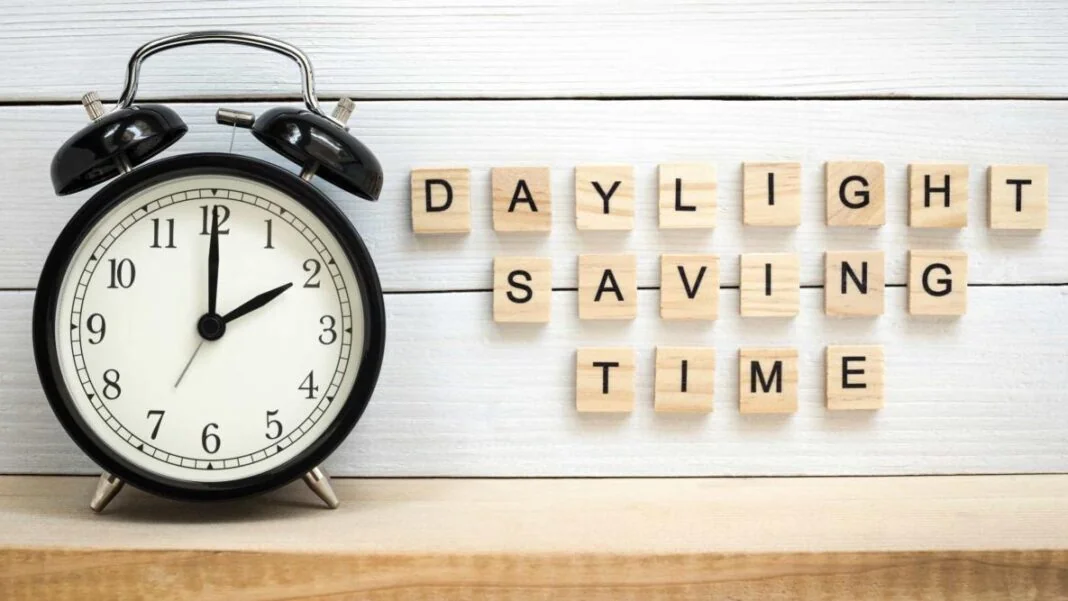
- Daylight Saving Time (DST) ends on November 2nd.
- Presidential stance: Donald Trump has shown mixed support for eliminating DST, but it remains uncertain if a decision will be made.
- Legislative efforts to make DST permanent have gained some traction in Congress.
- Several states are pushing for year-round DST despite federal legislation not being passed.
The Approach of Daylight Saving Time and Its Impact
As the days grow shorter, the United States will observe the end of Daylight Saving Time (DST) on November 2nd. This means that most Americans will revert their clocks one hour backward at 2 a.m., marking an earlier sun setting in many regions.
The transition from DST to standard time has been a recurring issue, with some advocates arguing for the permanent adoption of daylight hours later into the evening. The debate centers around the potential benefits of more sunlight in the evenings and the drawbacks of disrupting sleep cycles.
Donald Trump’s Position on Daylight Saving Time
Former President Donald Trump has expressed varying opinions regarding DST. In December 2019, he stated that the Republican Party would work to eliminate DST, citing inconvenience as a significant factor. However, his commitment to this issue was not fully solidified.
During an interview in March of the same year, he mentioned that it was a “50-50” issue and noted the difficulty in rallying public support.
Trump’s most recent statement on DST, made in April 2019, suggested that both chambers of Congress should push for more daylight at the end of the day. This position aligns with his previous stance, which supported extending DST but did not explicitly advocate for its permanent implementation.
Legislative Efforts and State-Level Initiatives
Efforts to make DST permanent have made progress in Congress, although they have yet to be passed into law. Some states are also taking action on their own, with over a dozen legislatures voting to keep the clocks in daylight saving time year-round if Congress approves. These include Florida, California, South Carolina, Washington, Colorado, Tennessee, and Maine.
The decision to support or oppose permanent DST is often influenced by local preferences for evening sunlight. However, states like Hawaii and most of Arizona do not observe DST, maintaining standard time throughout the year due to regional customs and energy conservation practices.
Conclusion
The Ongoing Debate
The debate over whether to end Daylight Saving Time remains unresolved, with both federal legislation and state-level initiatives ongoing. While President Trump has shown support for eliminating DST, his stance on permanent implementation remains uncertain. As the clock changes occur annually, the issue continues to gain attention from policymakers and citizens alike.