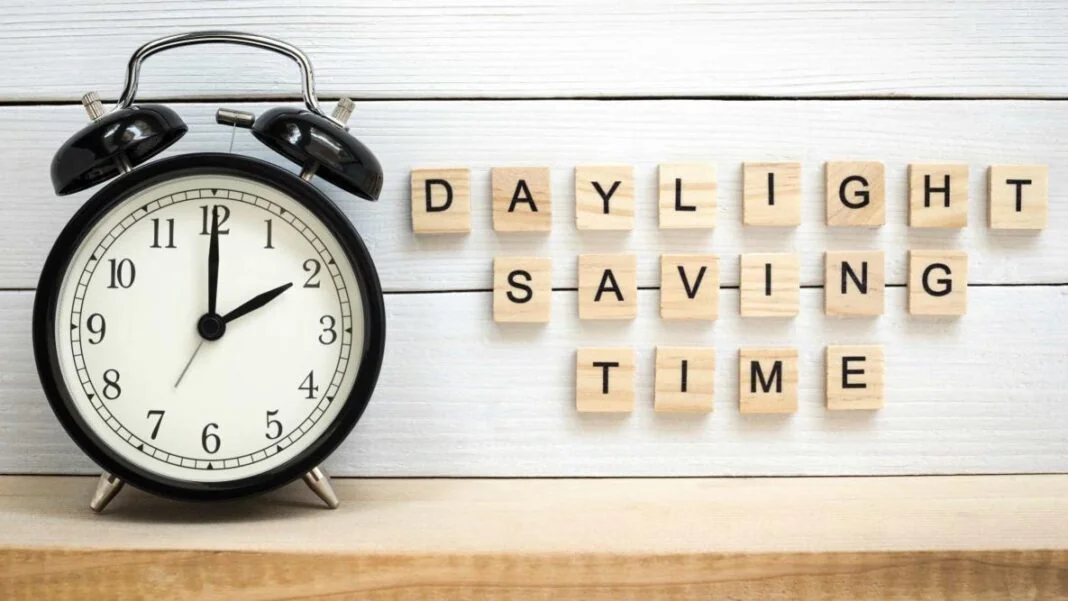
Key Highlights
- The U.S. will end daylight saving time on Sunday, November 2, 2025.
- Clocks will roll back one hour at 2 a.m., gaining people an extra hour of sleep.
- Experts recommend gradually shifting schedules to help children adjust to the change.
- The history of daylight saving time in the U.S. dates back to World War I and has evolved over the years.
The End of Daylight Saving Time: What You Need to Know for 2025
Daylight saving time is a phenomenon that affects millions of Americans every year, as clocks are adjusted twice annually. In 2025, the end of daylight saving time will occur on Sunday, November 2, with an additional hour of sleep gained when clocks roll back one hour at 2 a.m.
This annual change impacts not only daily routines but also public health and energy consumption patterns. Understanding the implications can help individuals and communities prepare for the transition without significant disruption.
Adjusting to the Time Change
For many, the shift in time can be jarring, especially for children who may struggle with adapting their sleep schedules. Dr. Ericka Souter, a parenting expert, recommends gradual adjustments leading up to the time change. “Start moving everything—meals, naps, and wake times—earlier by about 10 to 15 minutes each day,” she advises.
This approach can make the transition smoother for both parents and children.
Dr. Darien Sutton from ABC News Medical Unit also suggests increasing exposure to sunlight during the day, especially in the morning, after the clocks “fall back.” Additionally, limiting alcohol and caffeine intake can help manage any fatigue that may arise from the time change.
A Historical Perspective
Daylight saving time was first established by Congress through the Standard Time Act of 1918. However, its implementation faced numerous challenges over the decades as states and cities opted out or reverted to non-daylight saving hours. The Uniform Time Act of 1966 standardized daylight saving time across the U.S., with only Hawaii and most of Arizona opting out due to their unique geographical conditions.
Currently, a proposal is pending in Congress that would make daylight saving time permanent nationwide.
The Sunshine Protection Act was reintroduced in both chambers but has not yet been voted on. This legislation highlights ongoing debates about the benefits and drawbacks of adjusting clocks twice a year.
Health Implications
Research indicates that changes to daylight saving time can have significant health effects, including increased risk of heart attacks, strokes, and mood disturbances. The American Academy of Sleep Medicine advocates for making standard time permanent to avoid these disruptions.
American Academy of Sleep Medicine’s Dr. Darien Sutton recommends that people adjust their sleep schedules gradually in the days leading up to the change. “It’s important to make adjustments slowly to help your body adapt,” he emphasizes, adding that naps can be beneficial if needed but should be limited to 30 minutes before 3 p.m.
In conclusion, while the end of daylight saving time on November 2, 2025, may seem like a simple shift in clocks, it has broader implications for health and daily routines. By understanding the changes and taking proactive steps, individuals can minimize the impact on their well-being during this annual transition.