Key Highlights
- Waymo plans to offer fully autonomous rides on freeways in Los Angeles, Phoenix, and the San Francisco Bay Area.
- The company has been testing its technology for years before expanding to freeway driving.
- Freeway capability is seen as a significant milestone for autonomous vehicle development.
- Waymo aims to gradually expand its use of freeways while closely monitoring safety concerns.
Waymo’s Autonomous Ride Expansion on Freeways
Waymo, the self-driving car company spun off from Google, has announced a significant expansion in its autonomous taxi service by allowing rides on freeways for the first time. This move marks an important step forward as Waymo prepares to offer fully driverless rides in key metropolitan areas including Los Angeles, Phoenix, and the San Francisco Bay Area.
A Decade of Testing
“This has been a long time in the making,” said Dmitri Dolgov, co-CEO of Waymo. “Freeway driving is one of those things that’s very easy to learn but very hard to master when we’re talking about full autonomy without a human driver as a backup, and at scale.” The company has spent years honing its technology through extensive testing before deciding it was ready for the freeways.
Challenges on Freeways
The ability to drive on freeways presents unique challenges for autonomous vehicles. Wendy Ju, an associate professor of information science and design tech at Cornell University, noted that while freeways are generally safer environments with fewer pedestrians, the higher speeds pose a greater risk. “In order to predict what’s going to happen 10 seconds from now, the car has to sense what’s happening much farther down the road,” Ju explained.
Waymo’s Safety Record
To tackle these challenges, Waymo has conducted extensive studies on hazards such as aggressive cut-ins and construction on shoulders. The company claims it has been giving freeway rides to employees and their guests for over a year before expanding this capability more broadly. While safety remains paramount, Waymo is optimistic about its technology’s potential.
In July 2025, the company reported passing more than 100 million miles without a human behind the wheel. Despite this impressive record, Waymo acknowledges there are still areas where it needs to prove its technology can handle situations outside California and the Sun Belt. “Their safety record among all autonomous companies is amazing, but when you compare them to humans, they’ve been very careful about the kind of cities they want to drive in,” said Srikanth Saripalli, director of the Center for Autonomous Vehicles and Sensor Systems at Texas A&M University.
Gradual Rollout
Waymo plans to roll out its freeway service gradually. “We’re not going to make it available to all of our customers at once,” said Jacopo Sannazzaro, a product manager at Waymo. The company will stick to the posted speed limits on freeways, even if human drivers around the vehicle are breaking them.
Industry Context and Competition
The competition to deliver robotaxi services is intensifying with Tesla’s planned launch of a rider-only service using its self-driving software. Waymo’s expansion into freeways comes at a time when it has announced plans to more than double the number of cities where it operates, including cold-weather cities like Denver and Detroit. The company also recently began curbside service at San Jose’s airport.
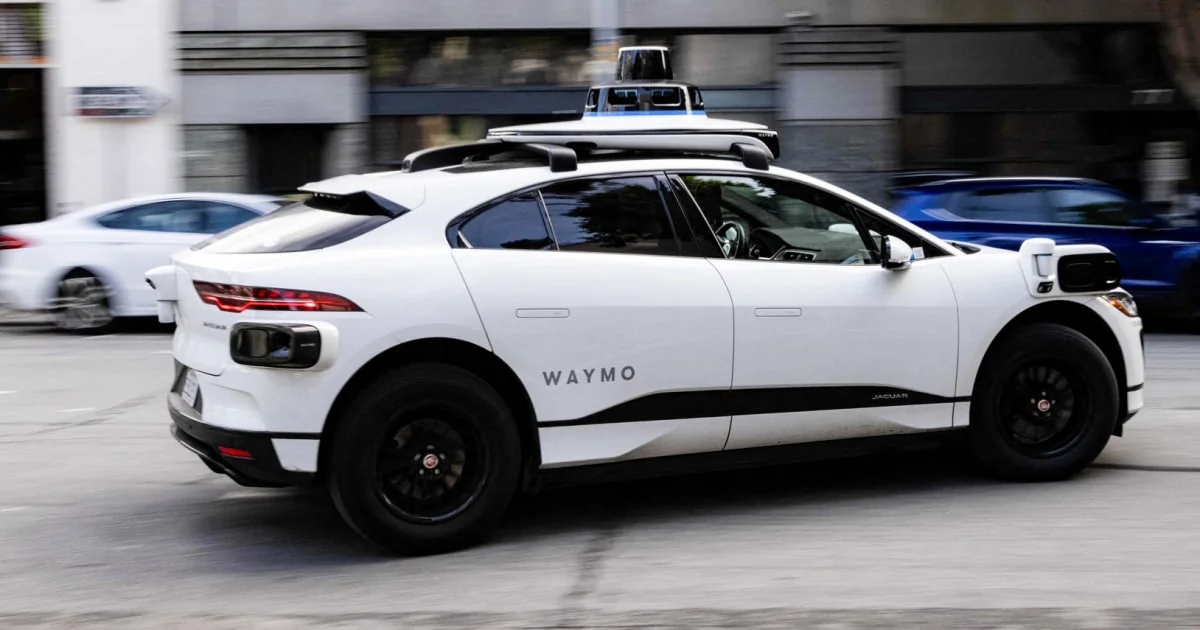
Waymo is preparing to add a new van to its fleet called the Zeekr RT to supplement the Jaguars that are currently in use. Additionally, the company has signed a partnership with Toyota to explore putting Waymo’s technology into personally owned vehicles.
Implications for Daily Commutes
The ability to travel on freeways is an important part of any car service, especially in cities like Los Angeles and Phoenix where many daily trips include at least some time on an interstate. Sticking to local streets often means a longer ride duration.
Conclusion
Waymo’s decision to start using freeways represents a significant milestone in the development of autonomous vehicle technology. While safety concerns remain, Waymo’s gradual approach and extensive testing suggest that it is well-positioned to handle the unique challenges of freeway driving. As the industry continues to evolve, this move by Waymo could set a new standard for autonomous ride services.