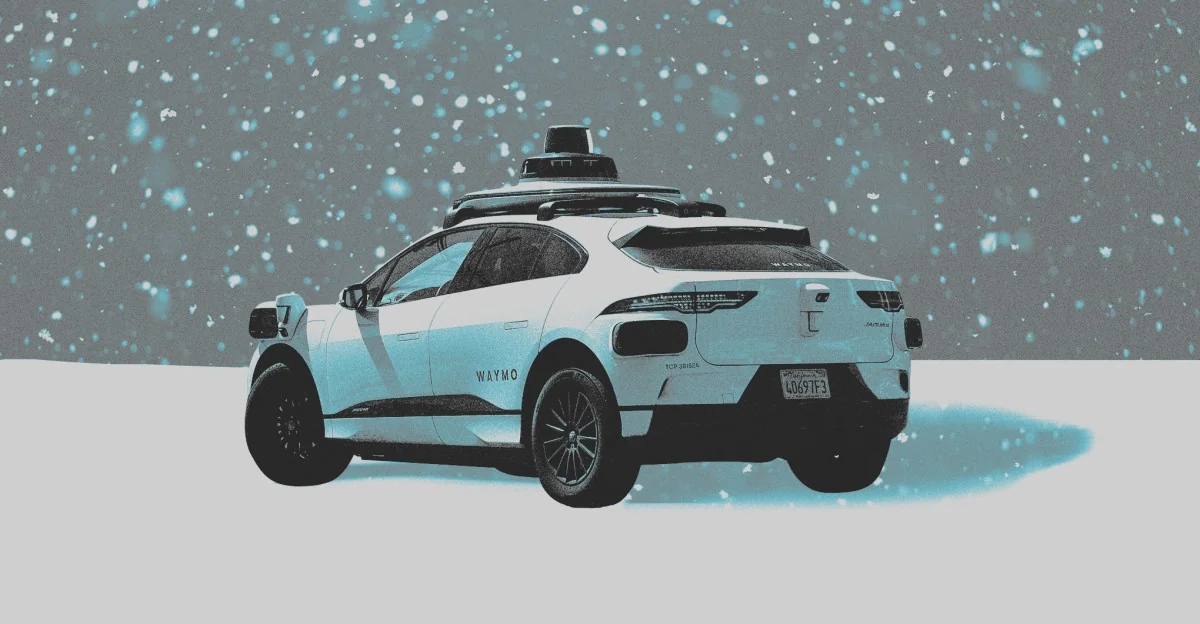
Key Highlights
- Waymo is expanding its robotaxi services to East Coast cities and faces significant challenges in handling winter weather.
- The company’s current system can handle light snow, but the sixth-generation Waymo Driver is specifically being engineered for severe winter conditions.
- Data scarcity due to rare snowy conditions necessitates innovative techniques such as advanced AI methods for training models.
- Waymo uses various solutions like mechanical wipers and powerful heaters to help its robotaxis navigate snowier streets.
The Winter Challenge Facing Waymo
In recent years, Waymo has strategically focused on warmer, drier climates for its autonomous vehicle services. However, as the company plans to expand into East Coast cities such as Boston, New York City, and Washington, D.C., it faces significant challenges related to winter weather.
Strategic Expansion
The expansion strategy is centered on tackling harsh winter conditions. During a recent all-hands meeting, Robert Chen, Waymo’s product lead for weather, emphasized the importance of validating its system for winter operation. “This winter season is gonna be a really important season for us,” he stated, revealing that the company aims to ensure its robotaxis can handle snow effectively.
Data and Innovation
Waymo faces data scarcity issues due to the rarity of snowy conditions in its current operating regions. To address this, the company is employing advanced AI methods to augment and analyze data for development and validation. This approach includes using layered models that can distinguish different types of snow—wet, powdery, slushy—and feeding that information back into training pipelines.
Technological Solutions
To help its robotaxis navigate snowier streets, Waymo has implemented several technical solutions. Mechanical wipers have been installed to clear snow off the vehicle’s rooftop lidar sensor, while more powerful heaters are used to defrost all sensors. Additionally, each vehicle in the fleet records data while out on the road, acting as a mobile weather station.
Preparation and Future Plans
The company is working towards making its robotaxis fully capable of handling severe winter conditions with the release of its sixth-generation Waymo Driver, set to roll out soon. “The self-driving problem… is really hard on its own,” Chen noted. “Now you add in these crazy weather conditions. It’s a pretty challenging task.”
Waymo’s efforts in this area are crucial for its expansion plans. As the company moves towards launching services in Washington, D.C., and other East Coast cities next year, it must ensure that its autonomous vehicles can operate reliably in winter weather.
Conclusion
The success of Waymo’s robotaxi service in colder climates will significantly impact its growth. By addressing the unique challenges posed by snow and ice, the company aims to build a reliable and versatile service for all seasons. The coming winter season is expected to be a pivotal test for Waymo as it prepares for expansion into new markets.