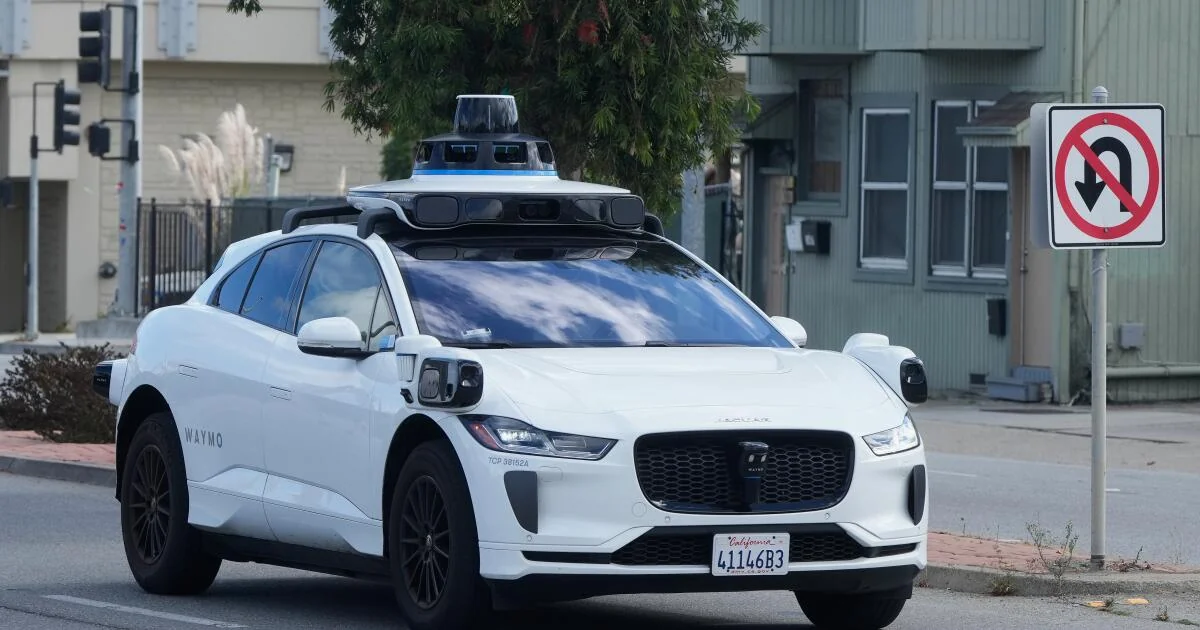
Key Highlights
- About 2,000 Waymo vehicles are under federal investigation for not stopping at a school bus in Atlanta.
- The incident occurred on September 22, 2025, when the vehicle ignored the extended stop arm and red lights of a stopped school bus.
- NHTSA opened an investigation to examine Waymo’s autonomous technology around school buses and compliance with traffic safety laws.
- Waymo has made software updates and plans additional improvements to enhance its self-driving performance.
Investigation of Autonomous Vehicles Ignoring School Bus Safety Rules
A recent incident involving Waymo’s autonomous vehicles in Atlanta has sparked federal scrutiny over the safety protocols for driverless taxis. Approximately 2,000 Waymo vehicles are currently under investigation by the National Highway Traffic Safety Administration (NHTSA) following an incident where one of their self-driving taxis failed to stop at a stopped school bus on September 22, 2025.
Incident Details and Investigation
The vehicle approached the right side of the stopped school bus, initially stopping but then proceeding around the front of the bus and past its left side. According to the NHTSA filing, the Waymo vehicle ignored the extended stop arm on the left side and the traffic crossing control arm on the right side, which were both activated due to the presence of children disembarking from the bus.
“Safety is our top priority as we provide hundreds of thousands of fully autonomous paid trips every week in some of the most challenging driving environments,” said Waymo spokesperson Julia Ilina. “NHTSA plays a vital role in road safety, and we will continue to work collaboratively with the agency as part of our mission to be the world’s most trusted driver.”
Regulatory Challenges for Self-Driving Cars
The incident highlights the unique challenges faced by law enforcement when dealing with self-driving cars. Unlike human-driven vehicles, autonomous taxis cannot receive traditional traffic tickets due to the absence of a human operator at the time of violation. This has led to calls for legislative changes that would enable authorities to penalize the company responsible for the vehicle’s operation.
California lawmakers have introduced legislation aimed at closing this enforcement loophole, with the law set to take effect in July 2025. However, critics argue that the current measures are insufficient and do not fully address the potential risks posed by self-driving cars on public roads.
Waymo’s Commitment to Safety
Despite recent incidents, Waymo continues to emphasize its commitment to road safety. According to Ilina, the company has already made software updates to improve its autonomous driving performance and is planning further enhancements. Additionally, Waymo points out that their vehicles are subject to ongoing oversight by California regulators.
“Our autonomous driving system is designed to respect the rules of the road,” added Ilina. “We will continue to work closely with regulatory bodies like NHTSA to ensure the highest standards of safety and compliance.”
Broader Implications for Autonomous Vehicle Regulation
The investigation into Waymo’s incident underscores the need for more robust regulations governing autonomous vehicles, particularly in high-risk situations such as interactions with school buses. As self-driving technology continues to advance, policymakers and industry leaders must collaborate to develop comprehensive safety measures that can keep both passengers and pedestrians safe.
“The rapid development of autonomous vehicle technology presents a unique set of challenges for regulators and law enforcement,” commented transportation expert Dr. Jane Smith. “While the benefits of this technology are significant, we must ensure that they do not come at the cost of public safety.”
As Waymo expands its services to more cities and regions, ongoing scrutiny from regulatory bodies like NHTSA will be crucial in ensuring that self-driving cars meet the highest standards of road safety. The coming months will likely see continued discussions around how best to balance innovation with public safety concerns.