Key Highlights
- Noaa’s winter outlook favors above-average temperatures across much of southern United States, including most of Texas.
- Above-average rainfall is unlikely in San Antonio with a 42% chance of below-average precipitation this winter.
- Despite the overall warmer trend, there remains a one-in-four chance of colder than average weather for some areas.
- The Farmers’ Almanac predicts a wetter and colder winter season for Texas.
Unusually Warm Fall Sets Stage for Winter Outlook in Texas
As we approach the heart of meteorological fall, San Antonio residents have already experienced temperatures that feel more like summer. Since September 1st, the average high temperature has been a sweltering 91.9 degrees, just three degrees cooler than the city’s typical June-July-August highs this year. This trend continues to raise questions about whether this unusually warm fall will carry over into winter.
NOAA’s Winter Outlook for Texas
The National Oceanic and Atmospheric Administration (NOAA) released its official winter outlook last week, indicating a higher probability of warmer-than-average temperatures across the southern United States. The outlook shows a 41% chance of above-average temperatures in San Antonio, with a 33% chance of near-normal conditions and only a 26% likelihood of below-average weather this winter.
While the overall trend leans towards warmth, it’s important to note that there is still a significant possibility for colder-than-expected conditions. This means that even as the outlook suggests a higher probability of warmer winters during La Niña years, residents should not completely rule out the chance of experiencing cooler temperatures, especially in northern regions like Austin (28% below-average), Waco (30%), and Dallas (33%).
Climate Trends During La Niña Periods
The current La Niña event is expected to persist through the winter months. According to NOAA’s Climate Prediction Center, during La Niña winters, Texas often experiences a semi-permanent high-pressure system in the northern Pacific that pushes the polar jet stream farther north. This positioning typically results in fewer cold fronts and milder overall weather conditions.
In San Antonio specifically, about 65% of La Niña winters since 1950 have produced above-average temperatures, with an average increase of 1.3 degrees Fahrenheit compared to non-La Niña winters. Precipitation is also expected to be lower, averaging just 4.07 inches in the city, which is 28% drier than during non-La Niña winters.
Contrasting Predictions from Farmers’ Almanac
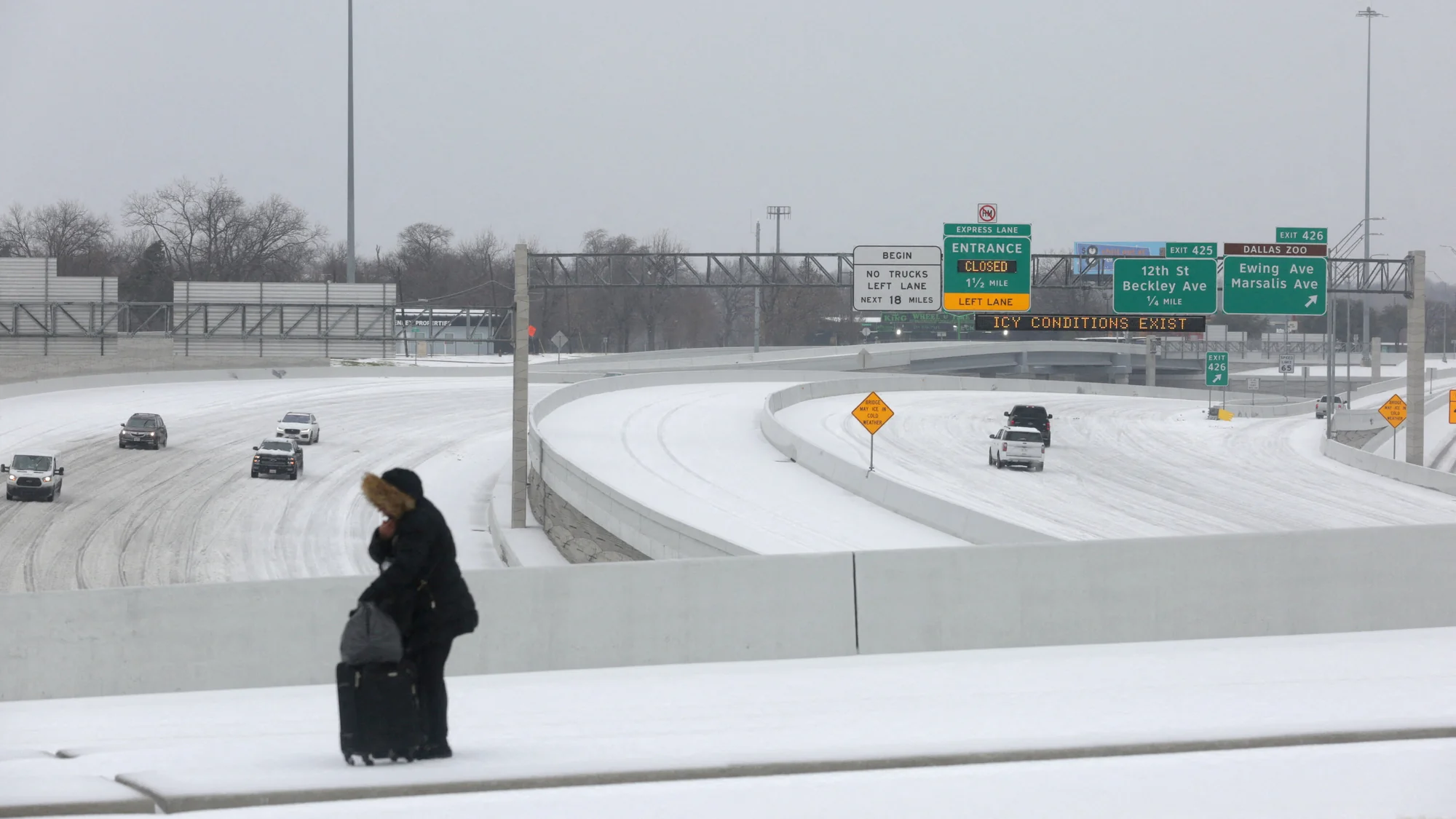
In contrast, the Farmers’ Almanac forecast for the upcoming winter season promises a cooler and wetter climate across Texas. They predict that this winter is “shaping up to be a wild ride,” with periodic cold snaps and overall wetter conditions in the state. The almanac also highlights several opportunities for snow in northern Texas, though chances are lower in southern regions.
However, it’s worth noting that the Farmers’ Almanac’s forecasts have not always proven accurate.
A University of Illinois study found its monthly precipitation forecasts to be correct about 52% of the time and its temperature forecasts just 51% of the time—essentially making them marginally better than random guessing.
Despite these conflicting predictions, one thing remains clear: regardless of whether Texas experiences a warmer or cooler winter, residents should prepare for potential weather extremes. Whether it’s the heat of an unusually warm fall or the cold snap predicted by some experts, the upcoming season is likely to bring its share of challenges and surprises.