Key Highlights
- Venezuela has placed its armed forces on high alert in response to the arrival of a U.S. aircraft carrier strike group.
- The deployment involves nearly 200,000 personnel and includes ground, aerial, naval, riverine, and missile forces.
- The military exercises are seen as a response to what Caracas views as a potential invasion aimed at removing President Nicolás Maduro from power.
- President Donald Trump’s administration justifies the regional buildup as part of ongoing operations to disrupt drug trafficking and protect the homeland.
Military Tensions Escalate in Caribbean
Venezuela has ordered its armed forces into a state of high alert, responding to the deployment of the USS Gerald R. Ford Carrier Strike Group led by one of the world’s largest aircraft carriers. The move comes as part of nationwide military exercises involving nearly 200,000 personnel, including ground troops, air defense systems, missile units, and maritime patrols.
Defense Minister Vladimir Padrino López stated that these maneuvers aim to demonstrate Venezuela’s readiness to respond to any “imperialist aggression,” emphasizing the importance of national unity in facing what Caracas perceives as an imminent threat. According to reports, the military exercises are part of a broader strategy to protect national sovereignty and deter U.S. military interference.
Regional Buildup Continues
The U.S. Military’s escalation in the Caribbean follows an expansion of troop deployments and training operations in nearby territories such as Puerto Rico, El Salvador, Panama, and Trinidad and Tobago. This buildup is part of a larger strategy to disrupt illicit drug trafficking and protect American interests.
U.S. Defense Secretary Pete Hegseth has publicly stated that vessel strikes on alleged drug-trafficking vessels will continue until the “poisoning of the American people stops.” This statement underscores the ongoing tensions between Washington and Caracas, with both sides claiming defensive motives but facing accusations of imperialistic intentions.
Political Implications and International Reaction
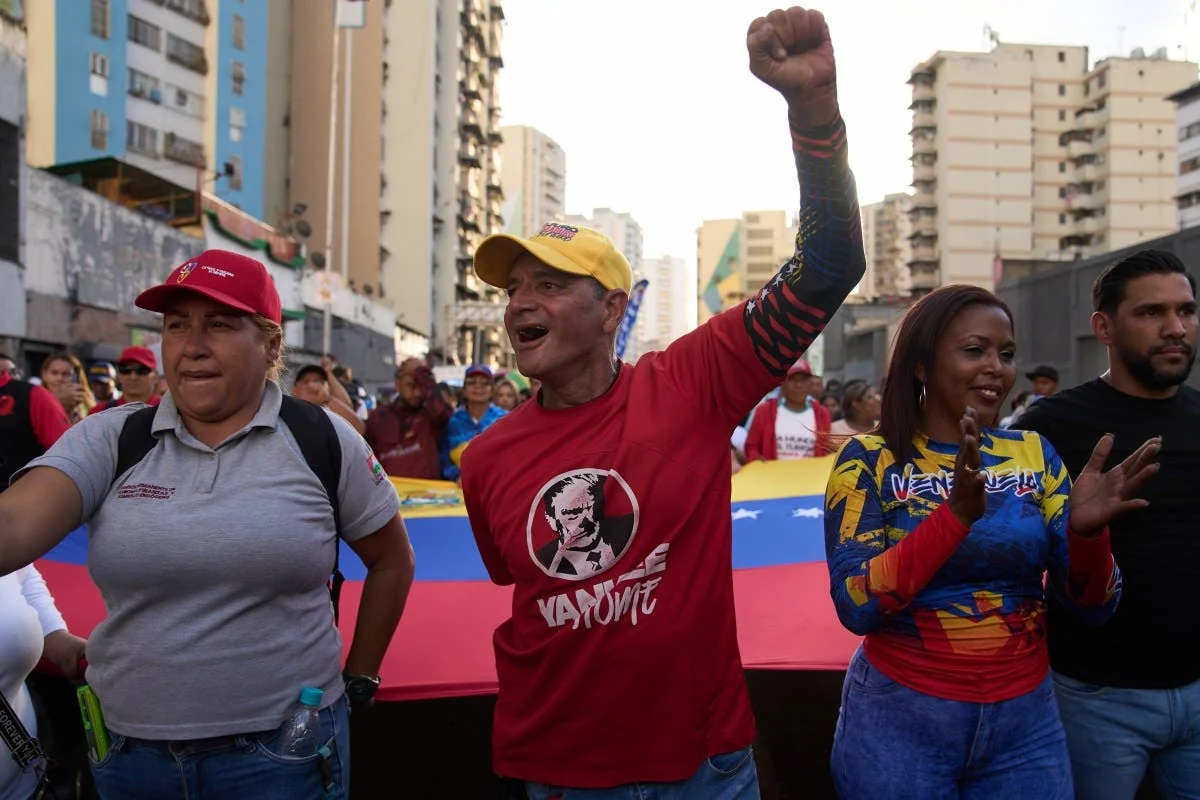
The military standoff represents one of the most dangerous confrontations between Venezuela and the United States in recent years. For President Nicolás Maduro, the threat of U.S. aggression has provided an opportunity to rally support amid widespread unrest and deepening international isolation following his disputed 2024 reelection.
International reactions have been cautious but watchful. The situation has entered a critical phase where even minor missteps could trigger direct confrontation. Both governments insist their actions are defensive, but with opposing forces now positioned across the Caribbean, the risk of escalation is high.
Future Implications
The current military tension in the region highlights the ongoing political and economic challenges faced by both Venezuela and the United States. The continued buildup of military presence could have significant implications for regional stability and diplomatic relations.
As tensions escalate, it remains to be seen how international actors will respond. The situation is closely monitored by global powers concerned about the potential for broader conflict in the region.