Key Highlights
- President Trump canceled a peace summit with Putin over concerns about wasted time.
- The Kremlin rejected an immediate ceasefire and launched new strikes on Ukraine.
- Ukrainian officials reported multiple fatalities in Russian attacks, including children.
- Western allies were urged to supply long-range missiles to counter Russian aggression.
The Abrupt End of Diplomatic Efforts
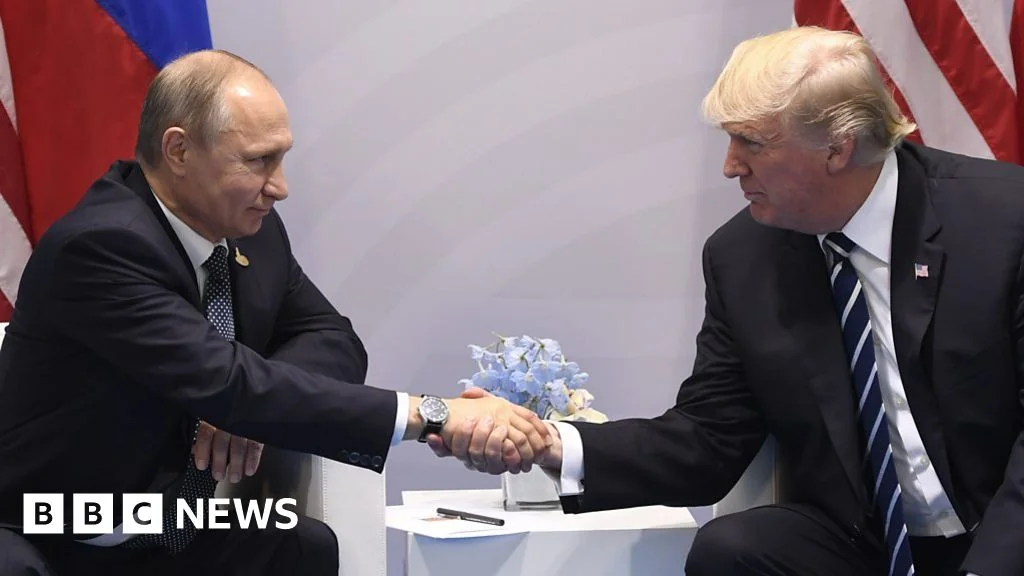
President Donald Trump’s attempts at diplomatic engagement with Russia’s Vladimir Putin took a sharp turn as the two leaders found themselves at odds over a potential summit. In an impromptu announcement, President Trump stated that he did not “want to have a waste of time” holding a meeting with Putin. This abrupt cancellation coincided with intensified Russian military actions against Ukraine.
Russian Strikes and Ukrainian Losses
Just hours after the U.S. president’s statement, the Kremlin escalated its military operations in Ukraine, launching intense overnight strikes that resulted in at least six deaths, including two children. These attacks came on the heels of Russia’s campaign to disrupt Ukrainian energy facilities during winter months, aiming to impose hardship and potentially undermine civilian support for the conflict.
Ukrainian President Volodymyr Zelenskyy condemned these actions, asserting that they demonstrated Putin’s unwillingness to engage in genuine peace talks. He called on Western allies to provide Ukraine with long-range missiles capable of striking deeper into Russian territory, emphasizing that Moscow’s emboldened attacks were a result of Kyiv’s current lack of such capabilities.
Preparations for Peace Summits and Continued Conflict
The cancelled summit between Trump and Putin had been anticipated as a key moment in diplomatic efforts to resolve the conflict. While both leaders expressed reluctance to waste time, the reality on the ground did not align with these sentiments. Russian Foreign Minister Sergey Lavrov reasserted his country’s stance against an immediate ceasefire before negotiations began.
Despite the cancellation, Hungary’s Prime Minister Viktor Orban remained optimistic about the possibility of hosting a summit between Trump and Putin. In a Facebook post, he stated that preparations for the peace summit were still ongoing, though the exact date was uncertain.
Expert Analysis on the Future of Diplomacy
Andrei Fedorov, former Deputy Foreign Minister of Russia, provided insight into the current state of affairs. He noted the existing differences between Russia and the United States, particularly regarding the conditions for talks to begin.
“Russia continues to do everything to weasel out of diplomacy,” Zelenskyy emphasized in his nightly address. “The greater Ukraine’s long-range reach, the greater Russia’s willingness to end the war.” This statement underscores the complex and evolving nature of diplomatic efforts in the ongoing Ukrainian conflict.
The cancellation of the Trump-Putin summit, coupled with intensified Russian military actions, highlights the challenges faced by international diplomacy in resolving conflicts. As tensions continue to rise, the need for robust and effective negotiations remains paramount.