Key Highlights
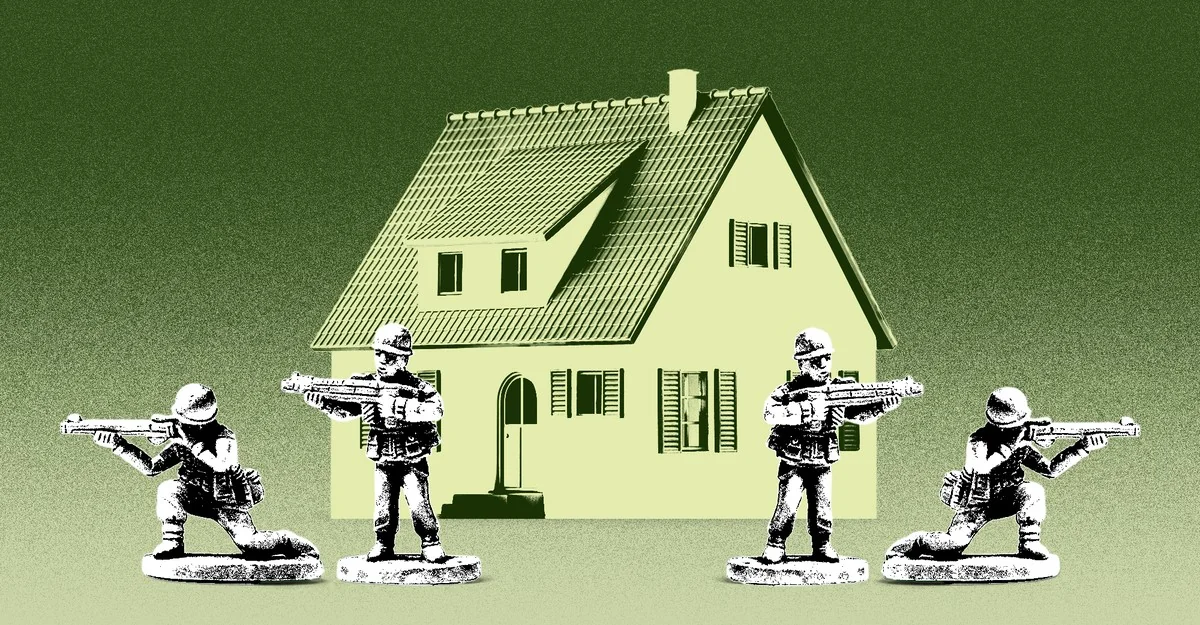
- Top Trump officials are moving into military bases for security reasons.
- The administration’s response to Charlie Kirk’s assassination has led to increased polarization and security measures.
- Protests against senior Trump-administration political appointees have strained the availability of housing on Washington-area bases.
- This move highlights the blurring of traditional boundaries between civilian and military worlds in domestic politics.
The Shift to Military Housing: A Sign of Polarization
Senior officials within the Trump administration have increasingly taken up residence on military bases, a trend that reflects both security concerns and the growing political polarization in the United States. As reported by Michael Scherer, Missy Ryan, and Ashley Parker, this shift began with Katie Miller, wife of former White House adviser Stephen Miller, who faced protests and harassment after her family moved into their home in northern Arlington, Virginia.
A Consequence of Political Violence: The Case of Stephen Miller’s Family
Following the assassination of Charlie Kirk, a pro-Trump activist, Katie Miller recounted an encounter with a stranger at her front door. This incident marked the beginning of ongoing protests against her family. Local groups like Arlington Neighbors United for Humanity (ANUFH) publicly denounced Stephen Miller as a “Nazi” and called his actions “crimes against humanity.” These events underscored the increasing threat to political officials, with the administration responding by moving key figures into military housing.
Security Measures and Housing Strain: A New Normal
Several high-ranking Trump appointees have now taken up residence in military bases. Kristi Noem, Homeland Security secretary, Marco Rubio, Secretary of State, and Pete Hegseth, Defense Secretary, among others, are living on bases to enhance their personal security. This move has not only improved the safety of these officials but also strained the availability of housing for senior uniformed officers. The Army, for instance, had to allocate significant resources—over $137,000 in repairs—to Hegseth’s new home at Fort McNair due to its age and condition.
Blurring Boundaries Between Civilian and Military Worlds
The decision by top Trump officials to reside on military bases represents a significant shift. Historically, Cabinet-level officials have mostly lived in private homes, but the current trend suggests an integration of civilian government with the military that was previously uncommon. This move has not gone without controversy; Adria Lawrence from John Hopkins University noted that such housing arrangements could send a problematic message about the role of the military in domestic politics.
Funding and Status Symbolism: The Double-Edged Sword
While base living provides enhanced security, it also has financial implications. Pete Hegseth pays $4,655.70 a month for his housing on Fort McNair, a cost that is deemed fair market rent by the military. However, this move can reduce overall costs related to personal security, as protective teams do not need to rent a second location nearby. This arrangement has become something of a status symbol among Trump officials, with some vying for larger base homes. The isolation brought about by these arrangements further divides administration officials from the metropolitan area where they govern.
Despite concerns and protests, many senior officials are reluctant to leave their current residences.
However, the heightened threat environment makes this shift increasingly necessary. As political violence continues to rise, so too does the need for robust security measures to protect those in positions of power within the Trump administration.