Key Highlights
- The small Norwegian village of Sommarøy, located above the Arctic Circle, attempted to establish itself as a “time-free zone” in 2019.
- This experiment aimed to reclaim connection with natural measures of time during periods of extreme daylight and darkness.
- Residents described experiencing a sense of freedom and agency by shifting between clock and event time.
- The attempt gained widespread media attention but faced skepticism regarding its practicality as a business operation.
- Research suggests that people who follow “event-time” may find more control in their daily activities, especially during natural light variations like those experienced above the Arctic Circle.
The Experiment: Sommarøy’s Time-Free Zone
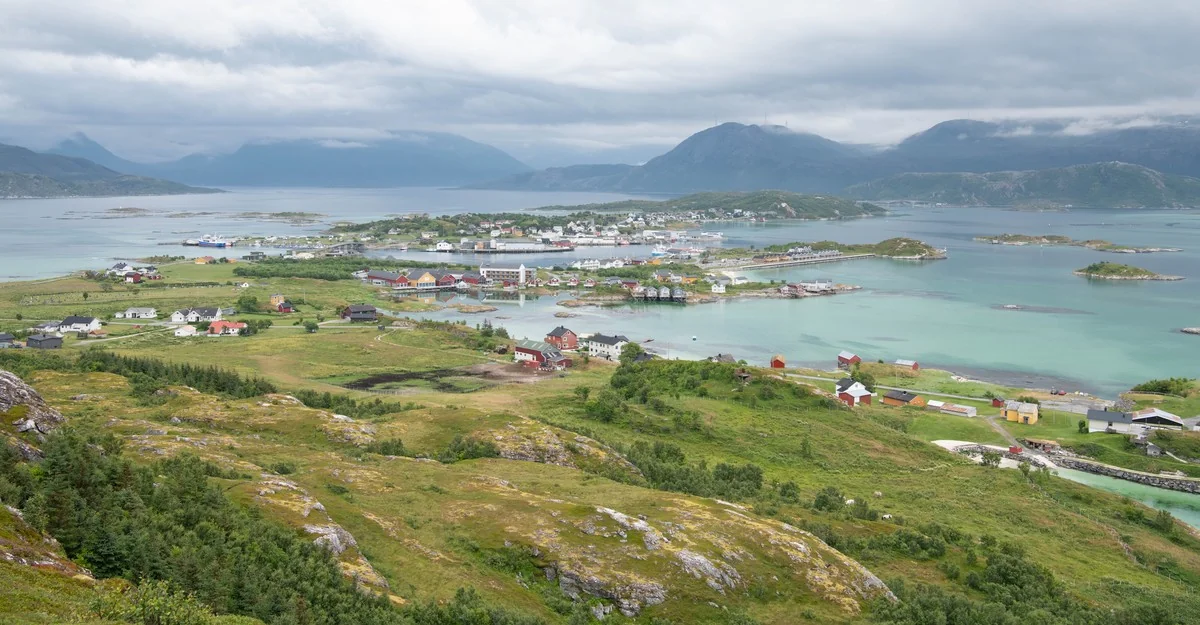
When the sun rises on May 18 in the small Norwegian fishing village of Sommarøy, located above the Arctic Circle, it doesn’t set again until July 26. This unique phenomenon, combined with its extreme periods of light and dark, inspired a group of locals to sign a petition in late spring 2019 to make their village the first “time-free zone.”
The reasoning behind this initiative made sense: In Sommarøy, where the sun shines at 1 a.m. in July and you can see stars at 1 p.m. in December, the time on the clock is meaningless.
The Practicalities of Time-Free Living
Instrumental to the success or failure of this experiment was how it would impact daily life. Olivier Pitras, a 65-year-old owner of a bed-and-breakfast and kayak-rental company that offers midnight tours, told me to simply drop by his shop if I wanted to meet him. This approach allowed for a more natural rhythm rather than rigid scheduling.
To achieve further immersion in the time-free life, I obscured the clocks on my phone and laptop and blocked the time of incoming email.
The night I arrived, I walked around the entire island at an easy pace. The colors in the sky resembled sunlight I was familiar with seeing at 7 or 8 o’clock in the morning. But was it actually 8 p.m.?
Midnight? For nine days, I attempted to live outside of time in a white wooden house with a wraparound porch.
Historical and Cultural Context
The desire to get rid of the clock entirely cuts against a very human impulse to control, predict, and measure time. The Babylonians used the moon to mark out a 19-year cycle in which seven years contained 13 months and the others, 12. Ancient Egyptians once kept track of time by the rise and fall of the Nile River.
Indigenous groups like the Sámi people have eight seasons that follow reindeer migration.
But as societies trade and travel, they must adapt their time systems to be consistent and coordinated. Hours of uniform length were widely adopted only in the 14th century, when clocks could maintain equal durations. (Previously, dividing periods of sunlight into 12 hours meant the length of those hours would vary seasonally.)
The Reality Check: Business vs. Ideology
Despite the initial enthusiasm, Sommarøy’s time-free zone quickly faced skepticism. An employee at the island’s only hotel expressed doubt to Norwegian media that a functioning business could operate without its clocks. Kjell Ove Hveding, a Sommarøy native who went to Oslo to hand-deliver the petition to the Norwegian politician Kent Gudmundsen, claimed there was no need to know what time it is.
However, NRK investigations revealed that the watches on a bridge leading to the island weren’t a result of swelling support from locals but belonged to Hveding and a few others.
The petition was funded by Innovation Norway, a state-owned company promoting Norwegian businesses, which paid for additional help from PR agencies in Oslo and London.
According to Gudmundsen, after his photo op, the bundle of papers with signatures was taken away and never submitted to the government. Hveding denies that the campaign was a ruse but insists “this is how we live.”
The Human Experience: Event-Timers vs Clock-Timers
While some residents described experiencing a sense of freedom and agency by shifting between clock and event time, others maintained a need for structure. Halvar Ludvigsen, a fourth-generation resident, told me he works at night but doesn’t care about the time.
Research suggests that people who follow “event-time” may find more control in their daily activities, especially during natural light variations like those experienced above the Arctic Circle. In Avnet and Sellier’s studies, clock-timers were less likely to distinguish between causally linked events compared to event-timers.
The experiment in Sommarøy offers a temporary respite for those who use the clock to harness their busyness but raises questions about the practicality of such an approach. Despite initial skepticism and later revelations, the idea continues to intrigue many who seek detachment from social acceleration.