Key Highlights
- Rubio urges US-Europe unity at Munich Security Conference.
- Critiques European policies on climate and migration.
- No concrete commitments from the speech, no mention of Russia.
- Russian war on Ukraine remains a major issue between Europe and US.
Marco Rubio’s Call for Transatlantic Unity
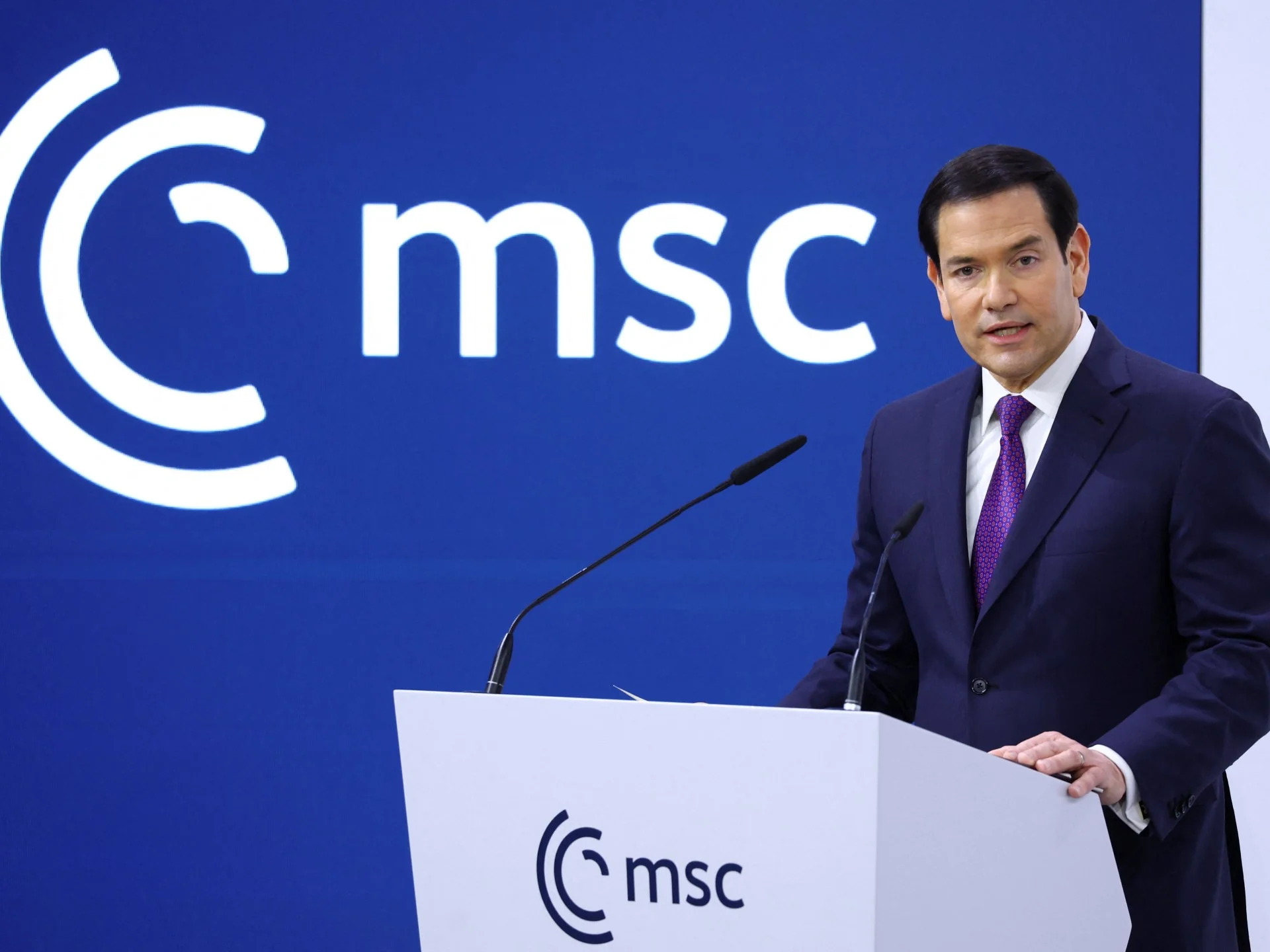
In a speech that drew a standing ovation at the Munich Security Conference, US Secretary of State Marco Rubio urged European countries to strengthen their ties with the United States. Rubio cast the US as “a child of Europe” and emphasized shared values and interests.
A Message of Reassurance Amidst Turmoil
“In a time of headlines heralding the end of the transatlantic era, let it be known and clear to all that this is neither our goal nor our wish,” Rubio declared. His speech aimed to reassure European nations amidst more than a year of fraught relations under the Trump administration.
Critiques and Criticisms
Rubio’s address was not without its criticisms, as he lambasted Europe for its policies on climate change and migration. He argued that “euphoria” after the Cold War led to a “dangerous delusion,” resulting in Western nations ceding sovereignty and facing an “unprecedented wave of mass migration.”
No Concrete Commitments
The speech lacked concrete commitments from the US administration, focusing instead on broad statements about reshaping the transatlantic alliance. Rubio acknowledged past shared sacrifices but warned that Europe must now face “facts” and work together to rebuild.
Ukraine and Transatlantic Tensions
Russia’s ongoing war in Ukraine looms large over the transatlantic relationship, with significant implications for both sides. European allies remain wary of Trump and Putin seeking a deal that would cede land from Kyiv, potentially ending Europe’s deadliest conflict since World War II.
European Concerns
“The Americans often return to the topic of concessions, and too often, those concessions are discussed only in the context of Ukraine, not Russia,” said Ukrainian President Volodymyr Zelenskyy. He expressed hope but also felt pressure from Trump, who urged him to “make peace soon.”
EU’s Stance
The EU’s foreign affairs chief, Kaja Kallas, echoed this sentiment, warning that putting pressure on the victim is a “quick win” strategy with only temporary success. She emphasized the need for a long-term approach to address aggression.
A Consistent but Confusing Approach
Despite Rubio’s conciliatory tone, some experts doubt its effectiveness. Donald Jensen, a former US diplomat and professor at Johns Hopkins University, noted that serious issues remain between Washington and Europe. The inconsistency within the US administration itself complicates matters for European partners.
The Munich Security Conference highlighted the complexities of transatlantic relations in an era marked by uncertainty and shifting geopolitical landscapes. As Rubio’s speech indicates, the path to renewed unity remains fraught with challenges but is also essential for both sides.