Key Highlights
- US Secretary of State Marco Rubio testifies in the US Senate about the capture of former Venezuelan president Nicolás Maduro.
- Rubio faces potential questioning from Democrats and some Republicans over the operation’s implications for democracy in Venezuela.
- Rodríguez, Maduro’s interim successor, cooperates with Trump administration on certain issues but remains defiant to supporters.
- Rubio outlines US plans for oil reserves and addresses concerns about forceful measures against Venezuela.
Marco Rubio’s Senate Testimony on the Capture of Maduro: A Diplomatic Maneuver
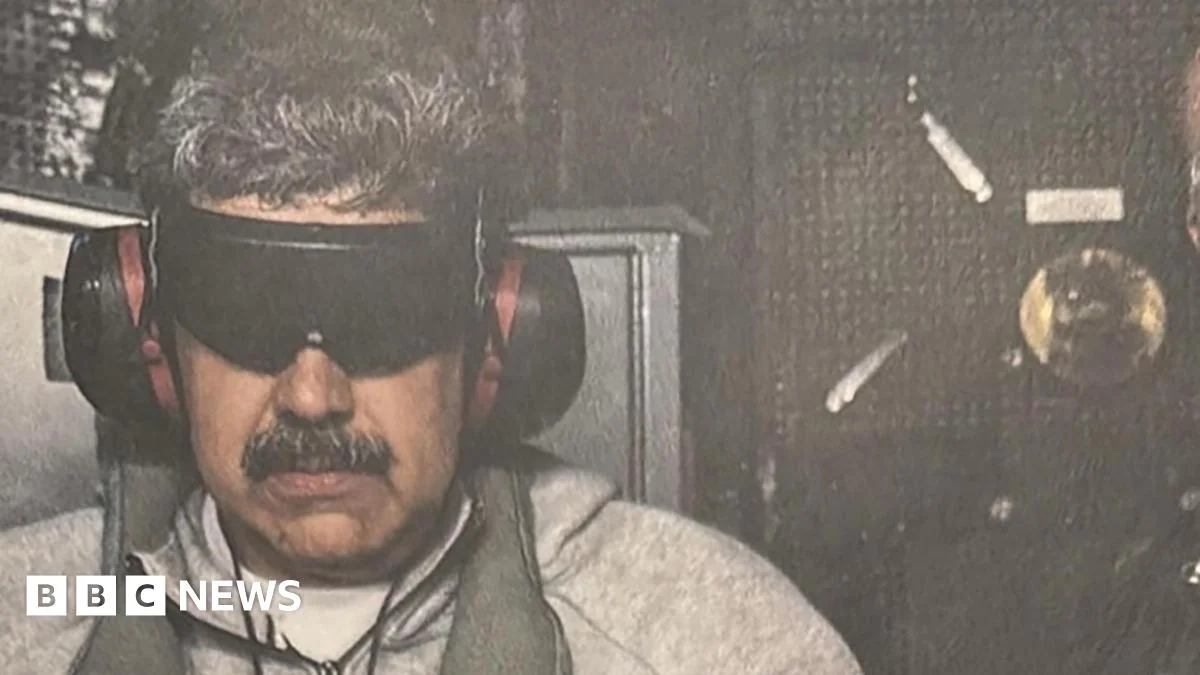
The United States has taken a significant step towards reshaping Venezuelan politics, as former President Nicolás Maduro was captured by US forces and taken to New York for drug and weapons charges. This operation, codenamed “Operation Absolute Resolve,” marks a turning point in the longstanding crisis in South America.
Background of the Operation
The capture occurred on January 3, 2024, when Maduro was seized from his residence in Caracas during a surprise military operation. US President Donald Trump declared that the country would “run” Venezuela until a safe and proper transition could be ensured. Since then, Delcy Rodríguez has taken over as interim president.
Senate Testimony: Rubio’s Address
Rubio is now addressing the Senate Foreign Relations Committee, marking his first formal response to lawmakers about the operation earlier this month. He anticipates facing tough questions from Democrats and some Republicans regarding the administration’s plans for restoring democracy in Venezuela.
During his testimony, Rubio emphasized that the US expects Rodríguez to cooperate on several key priorities. However, he also stated that forceful measures may be necessary if other methods fail. “Rodríguez is well aware of the fate of Maduro; it is our belief that her own self-interest aligns with advancing our key objectives,” Rubio declared.
US Plans for Oil and Counter-Narcotics
Rubio detailed plans to manage Venezuelan oil reserves, stating that sanctioned and quarantined oil could be moved to the market if deposited into a US-controlled account. “You will spend that money for the benefit of the Venezuelan people,” he explained.
He also highlighted ongoing counter-narcotics talks with Venezuelan authorities and efforts to eliminate Iranian, Chinese, and Russian influence in the country. Rubio warned about the “massive strategic risk” posed by a narco-trafficking regime operating in the hemisphere where they live.
Future Implications
The capture of Maduro has sent ripples throughout South America and beyond. The international community watches closely as the US continues to assert its influence over Venezuelan politics. As Rubio’s testimony unfolds, the future of democracy in Venezuela remains uncertain but now more defined by the actions taken by the Trump administration.