Key Highlights
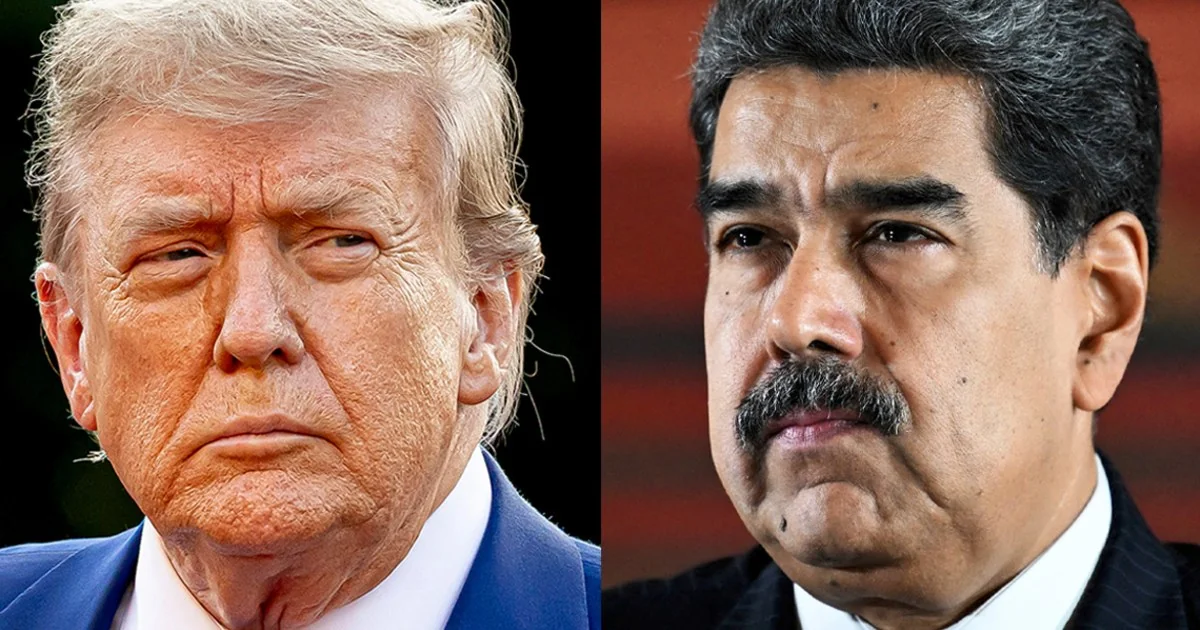
- Venezuelan President Nicolás Maduro said he is open to negotiating with the U.S. to combat drug trafficking.
- Maduro declined to comment on an alleged ground attack on a docking facility by the CIA last month.
- The Trump administration has increased pressure on Venezuela through strikes and naval presence off its coast.
Background of U.S. Pressure Campaign
In recent months, the United States has intensified its efforts to combat drug trafficking in Venezuela under President Donald Trump’s administration. This pressure campaign includes deadly strikes on alleged drug-smuggling boats and a notable increase in U.S. naval presence off the Venezuelan coast.
Strikes on Drug-Smuggling Vessels
The White House has reported that the U.S. military has conducted several strikes against vessels suspected of being involved in the drug trade. These attacks began in September and have resulted in multiple casualties, with the latest strike occurring New Year’s Eve, according to a statement from U.S. Southern Command.
Venezuelan President’s Stance
Maduro has expressed willingness to negotiate with Washington on issues related to drug trafficking. In an interview taped for state TV and aired on January 2, 2026, Maduro stated, “The U.S. government knows, because we’ve told many of their spokespeople, that if they want to seriously discuss an agreement to combat drug trafficking, we’re ready.”
However, when asked about a reported ground attack by the CIA on a docking facility last month, Maduro evaded direct comment. He stated, “We just knocked out — I don’t know if you read or you saw — they have a big plant or big facility where the, you know, where the ships come from,” according to President Trump.
U.S. Government’s Position
President Donald Trump has not provided further details on the alleged strike and the CIA declined to comment publicly on the reports that it was behind this first-known land attack in Venezuela by the U.S. The CIA rarely, if ever, acknowledges its work.
Broader Context of U.S.-Venezuela Relations
The strained relationship between the United States and Venezuela continues amid ongoing tensions over elections and economic policies. The Trump administration does not recognize Maduro as Venezuela’s legitimate president, citing the 2024 election results as rigged.
Maduro appeared to take a conciliatory tone in his interview, suggesting there could be room for cooperation between the two countries on drug trafficking and oil reserves. He stated, “If they want oil, Venezuela is ready for U.S. investment, like with Chevron, whenever they want it, wherever they want it and however they want it.”
Despite this openness to negotiation, Maduro has previously denied ties to the drug trade and accused the U.S. of fabricating a war against him.
Future Implications
The ongoing pressure from the Trump administration could have significant implications for both countries. While Maduro expressed willingness to negotiate, the lack of concrete evidence in support of U.S. claims about the drug trade and the absence of formal acknowledgment by the CIA of its actions create a complex diplomatic landscape.
As the situation evolves, it remains to be seen how these tensions will play out in the coming months under the new leadership in Washington.
Venezuela is facing increasing pressure from the U.S., which has launched strikes against drug-smuggling vessels and increased its naval presence off the coast. Meanwhile, Maduro has indicated a willingness to negotiate with Trump on issues related to drug trafficking, though he declined to comment on an alleged CIA attack on a docking facility last month.