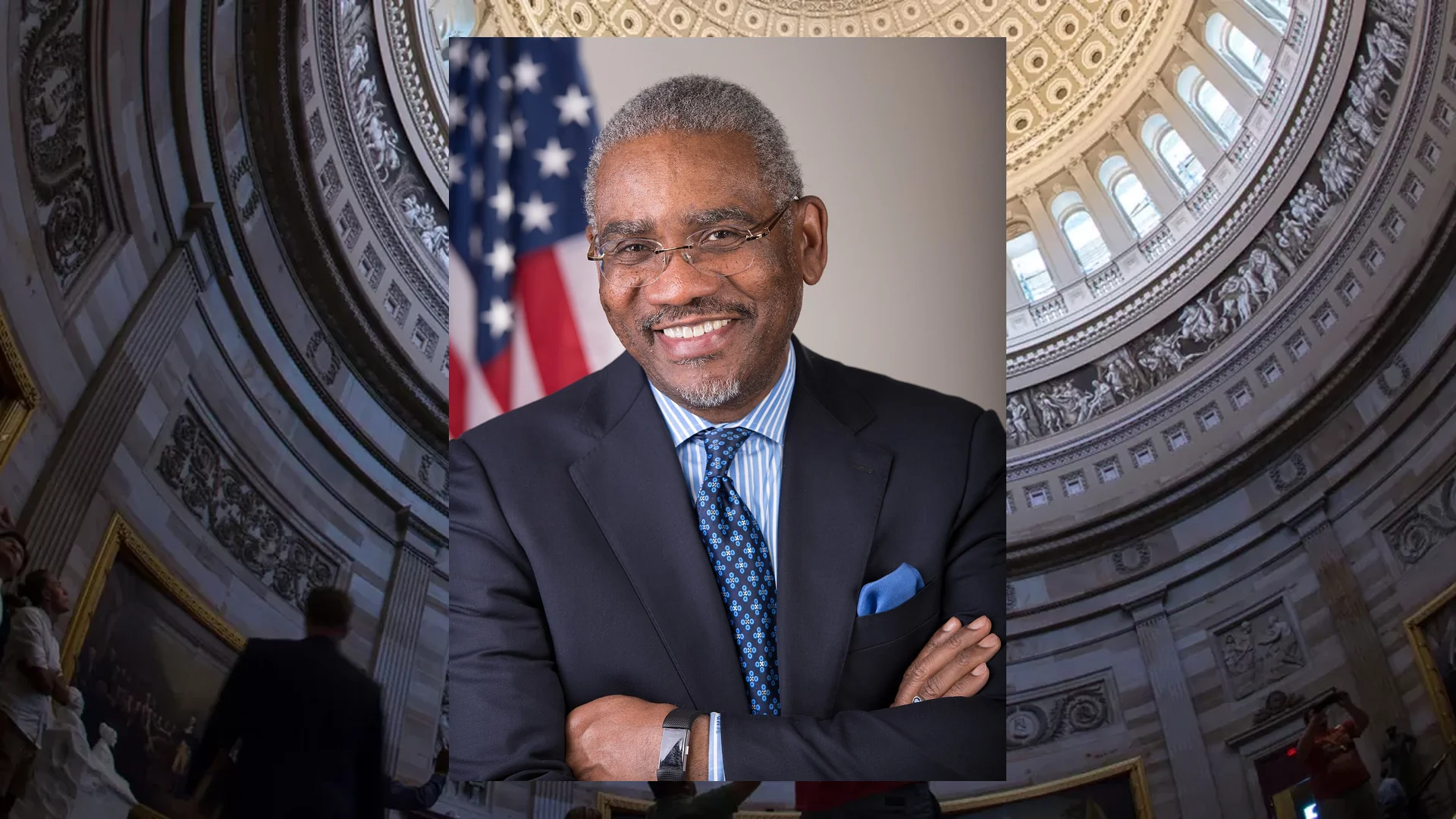
Key Highlights
- Representatives introduce a resolution to block unauthorized military strikes by the Trump Administration in the Caribbean and eastern Pacific.
- The resolution highlights that these military actions have been conducted without congressional authorization for over 60 days, raising constitutional concerns.
- The representatives criticize the administration for executing 21 unauthorized military strikes deemed extrajudicial killings.
- Central to the resolution is the assertion of Congress’s authority to declare war as explicitly stated in the U.S. Constitution.
Background on Congressional Oversight and War Powers
The introduction of this resolution highlights a significant debate within the U.S. political landscape, particularly regarding the balance of power between the legislative and executive branches. The U.S. Constitution grants Congress the authority to declare war, but recent actions by the Trump Administration have sparked concerns about the appropriate use of military force without proper congressional oversight.
Introduction of the War Powers Resolution
Representatives Gregory W. Meeks, Adam Smith, Jim Himes, Bennie G. Thompson, Jason Crow, and Ilhan Omar recently introduced a War Powers Resolution aimed at halting unauthorized military strikes by the Trump Administration in the Caribbean and eastern Pacific region. These actions have been ongoing for over 60 days without congressional authorization, prompting strong criticism from lawmakers.
Criticisms of Unauthorized Military Strikes
The representatives argue that these unauthorized military strikes amount to extrajudicial killings, a practice traditionally managed by law enforcement agencies rather than the military. This shift in military engagement for counter-narcotics operations underscores a fundamental disagreement among lawmakers about the appropriate use of military power.
Impact on Representative Gregory W. Meeks
Beyond his involvement in this legislative effort, Representative Gregory W. Meeks has been active in various other areas of political and financial activity. According to recent reports, he raised $166.2K during the third quarter, with approximately 29.6% coming from individual donors.
Meeks also reported $217.8K in expenditures, positioning him within the broader context of political financial activity.
As of the end of the filing period, he held $2 million in cash on hand, reflecting his ongoing commitment to his constituents and national interests. His involvement extends beyond this resolution to include legislative proposals such as the Mortgage Insurance Freedom Act, the Regional China Officer Authorization Act, and the Saving Lives and Taxpayer Dollars Act.
Broader Context of Congressional Activity
The introduction of this resolution is part of a broader trend of increased congressional scrutiny over executive military actions. As lawmakers continue to assert their constitutional responsibilities, the debate around the appropriate use of military force will likely intensify in coming months and years.
This move by Representative Meeks and his colleagues reflects a growing awareness among members of Congress about the need for greater accountability and oversight in matters of national security. The resolution serves as a clear statement that unauthorized military actions, even those deemed necessary, require legislative approval to maintain constitutional integrity.
Conclusion
The introduction of this War Powers Resolution by Representative Meeks and his colleagues is a significant step toward reasserting congressional oversight over executive military actions. As the debate continues, it will be crucial for both sides to find common ground in ensuring that the U.S. Constitution’s provisions are upheld while still addressing national security challenges effectively.