Key Highlights
- Prime Minister Mark Carney of Canada sets a goal to double non-U.S. exports within the next decade.
- The U.S.-Canada trade relationship is facing challenges due to American tariffs, affecting industries like automobiles, steel, and lumber.
- Carney aims to diversify Canadian markets by engaging with global economic powers such as India and China.
- The upcoming 2025 budget will detail plans for Canada’s economic transformation amid trade uncertainties.
Canada’s Economic Diversification Strategy
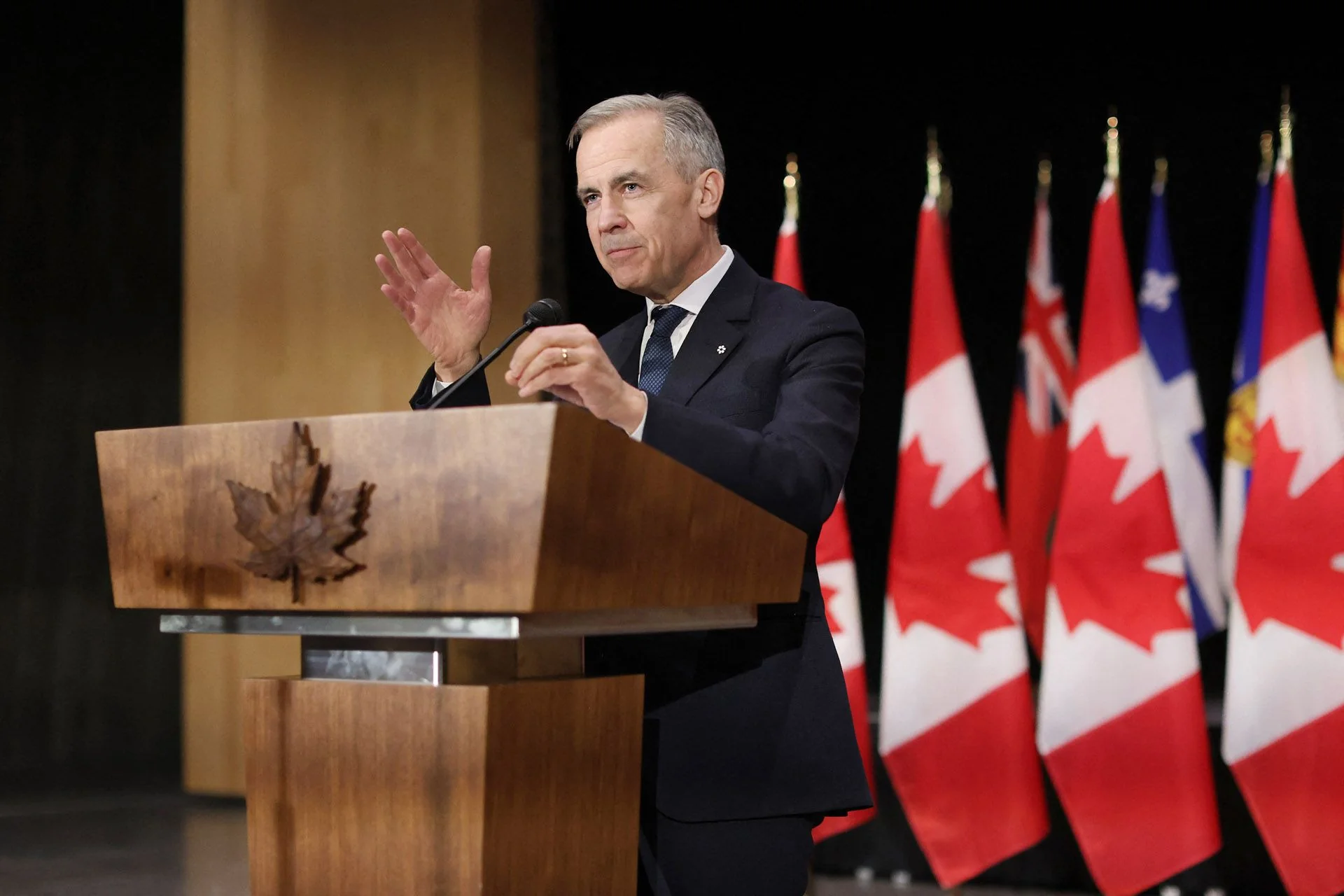
Prime Minister Mark Carney, in a significant shift from traditional strategies, has set a bold goal: doubling non-U.S. exports within the next decade. This ambitious target reflects Canada’s growing concerns over the impact of American tariffs on key industries such as automobiles, steel, and lumber. The move underscores a strategic pivot towards economic diversification, signaling that Canada cannot rely solely on its long-standing relationship with the United States.
Challenges Posed by U.S. Tariffs
The current trade landscape between Canada and the United States has been significantly impacted by American tariffs. According to Carney, these measures have created a “chill in investment” and are posing serious threats to jobs in affected industries. President Donald Trump’s aggressive stance on trade, including the claim that Canada could be “the 51st state,” has exacerbated tensions between the two nations.
Carney emphasized that decades of close economic ties with the U.S. have now become vulnerabilities for Canada.
The Canadian Prime Minister highlighted specific sectors hit hard by tariffs, noting a decline in investments due to the uncertainty caused by these policies. This shift is part of a broader strategy to address the economic fallout from the current trade environment.
Strategic Moves Toward Diversification
To achieve its export targets and mitigate risks associated with U.S. tariffs, Canada plans to engage more actively with global markets. Carney announced that his government will focus on re-engaging with major economic powers such as India and China. These new partnerships aim to open up additional avenues for trade and investment, reducing dependency on the U.S.
Carney also highlighted Canada’s significant role in the energy sector, describing it as an “energy superpower.” With substantial reserves of oil and natural gas, Canada is a major supplier of crude oil and electricity to the United States. Additionally, the country is the top exporter of steel, aluminum, and uranium to its neighbor, further emphasizing its economic importance.
Future Budget and Policy Initiatives
The upcoming 2025 budget will be crucial in outlining concrete steps toward these new economic goals. Carney stated that while transforming Canada’s economy is not easy or quick, it requires careful planning and significant sacrifices. The Prime Minister acknowledged the challenges ahead but remains committed to leading this strategic shift.
While the exact details of the 2025 budget are yet to be revealed, Carney’s address signals a new direction for Canadian economic policy. As the U.S.-Canada trade relationship continues to evolve, Canada is positioning itself to navigate these changes effectively and ensure its economic resilience in an increasingly complex global market.