Key Highlights
- The Canadian Consul General Colin Bird discussed the importance of $60 billion-plus in annual two-way trade between Canada and Michigan.
- The conversation touched on tariffs’ impact and the progress made with the Gordie Howe International Bridge.
- Mayors from Detroit and Windsor highlighted local economic contributions and cooperation with Canada.
- This discussion is part of a broader effort to maintain strong trade ties between Michigan and Canada amid global economic challenges.
The Importance of Bilateral Trade Between Michigan and Canada
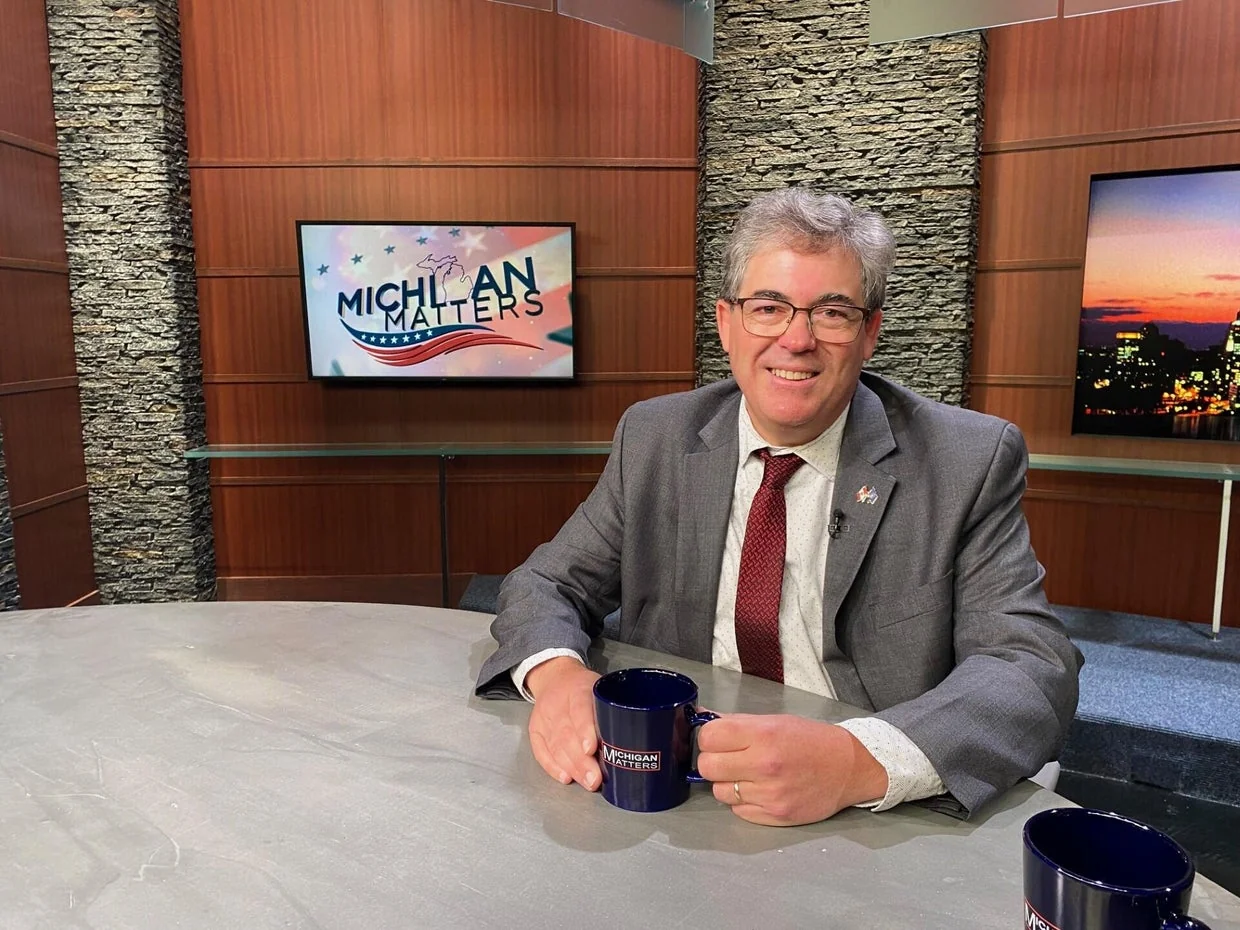
During the recent episode of Michigan Matters, Canadian Consul General Colin Bird shed light on the significant economic relationship between his country and the state of Michigan. With a trade volume surpassing $60 billion annually, this partnership is not only crucial for both nations but also resilient in the face of global economic pressures.
According to Consul General Bird, “The strong economic ties between Canada and Michigan have contributed significantly to job creation and regional prosperity.” This highlights how mutual trade benefits both regions economically, fostering a collaborative environment that goes beyond just monetary exchanges. The relationship extends into various sectors including automotive, technology, agriculture, and more.
Addressing Tariffs and the Gordie Howe International Bridge
The conversation with Consul General Bird also delved into the complexities of international trade policies, particularly focusing on tariffs which can impact cross-border commerce. While acknowledging that such measures pose challenges, Bird emphasized the importance of maintaining open dialogue between Canada and the United States to mitigate negative impacts.
One key infrastructure project discussed was the Gordie Howe International Bridge, a joint initiative aimed at enhancing transportation links and facilitating trade. The bridge is expected to significantly reduce travel times and enhance logistical efficiency, thereby boosting economic activity in both regions. Mayor Mike Duggan of Detroit expressed enthusiasm about this project, stating, “The bridge will not only connect our cities but also strengthen the bond between our people.” Similarly, Mayor Eddie Johns from Windsor underscored the importance of such projects for their respective communities.
Local Economic Contributions and Future Opportunities
The mayors from Detroit and Windsor highlighted local economic contributions that have been bolstered by the strong relationship with Canada. They emphasized the role of trade in supporting local businesses, creating jobs, and driving innovation. For instance, the automotive industry, which is a significant player in both regions, benefits greatly from this cooperation.
Looking ahead, there are several areas where further collaboration could be explored.
This includes advancing technological integration, promoting sustainable development practices, and enhancing educational exchanges between students and professionals from Michigan and Canadian institutions. Both mayors agreed that fostering such initiatives would help position the region as a leader in global trade and innovation.
Conclusion
The discussion with Consul General Bird and the mayors of Detroit and Windsor underscores the multifaceted nature of the relationship between Canada and Michigan. Despite challenges posed by global economic conditions, there remains a strong commitment to maintaining robust trade ties that benefit both regions. As discussions continue on infrastructure projects like the Gordie Howe International Bridge, future collaborations hold promise for even greater economic growth and shared prosperity.