Key Highlights
- Prime Minister Mark Carney outlined the government’s plan for a stronger economy amid global competition.
- The Liberals aim to double non-U.S. exports over the next decade as part of their economic strategy.
- Carney warned Canadians about “sacrifices” and challenges ahead, but refused to provide specifics until the budget is tabled.
- Opposition parties criticized Carney’s speech, with Conservative Leader Pierre Poilievre calling it a “normal buffet of broken promises.”
The Context: Canada’s Economic Challenges and Opportunities
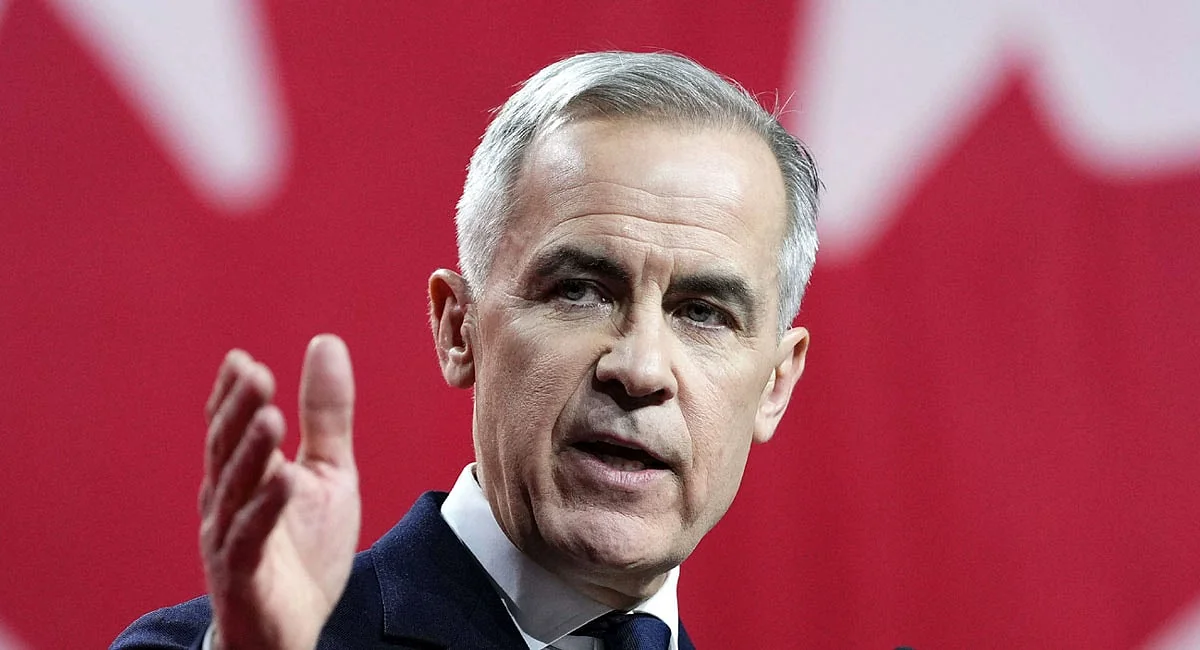
Prime Minister Mark Carney’s address to university students in Ottawa on Wednesday evening came at a critical juncture for Canadian politics. As the government prepares to present its budget, Carney emphasized the need for Canadians to brace themselves for challenges and sacrifices as his administration aims to revitalize the economy.
The Economic Strategy: Doubling Non-U.S. Exports
One of the key points in Carney’s speech was the government’s ambitious goal of doubling non-U.S. exports over the next decade. This strategy is part of a broader effort by the Liberals to diversify Canada’s trade relationships and mitigate the risks posed by increased competition from other nations, particularly the United States.
Carney highlighted that the coming budget will include several initiatives aimed at achieving this target. These include a climate competitiveness strategy, a new immigration plan, and an international talent-attraction strategy. The prime minister also mentioned plans for a spending cut and a relentless pursuit of efficiency to reduce waste in government operations.
Political Reactions: Criticism from Opposing Parties
The speech was met with skepticism and criticism from opposition parties. Conservative Leader Pierre Poilievre dismissed the address as offering “the normal buffet of broken promises.” He emphasized that his party’s focus remains on affordable budgets, broad tax cuts, and controlling deficits.
Other opposition leaders, such as Bloc Québécois leader Yves-François Blanchet and NDP interim leader Don Davies, also outlined their parties’ priorities. While they expressed some support for certain initiatives, they maintained that the budget must address issues like healthcare funding and housing investments to gain their backing.
Implications: The Road Ahead
The upcoming federal budget is expected to be a pivotal moment in Canadian politics. With a minority government, Carney’s ability to secure the necessary support from other parties will determine its success. If the budget fails to pass, it could lead to another election, as the current government lacks a majority.
As Carney prepares for his overseas trip and meets with opposition leaders, the stakes are high.
The strategy of doubling non-U.S. exports is ambitious but faces significant challenges, particularly in an increasingly competitive global market. Canadians will be watching closely as the details of the budget unfold over the coming weeks.
Conclusion
The road ahead for Canada’s economy under Prime Minister Carney’s leadership is fraught with challenges and requires significant sacrifices from all sectors. As the federal budget draws near, the political landscape in Ottawa remains tense, with both government supporters and critics awaiting the details of this critical document.