Key Highlights
- Pope Leo’s visit to Lebanon sparks hope but also frustration among locals.
- The visit is aimed at encouraging the clergy and addressing societal issues.
- Security concerns have limited the pope’s travel plans, with some regions left out.
- Lebanese citizens are facing economic hardships and political instability.
Pope Leo’s Visit to Lebanon: A Mixed Blessing
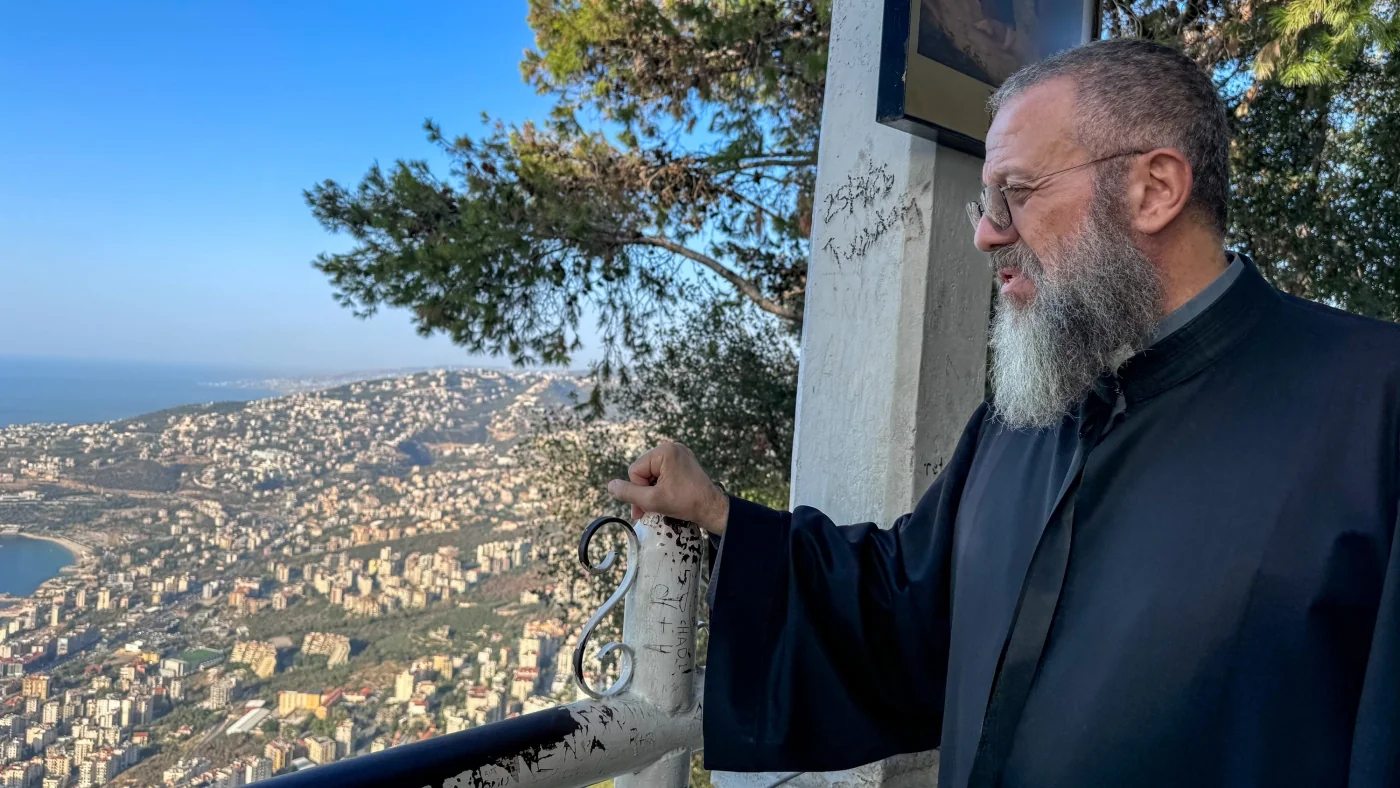
In a picturesque setting near Beirut, nestled in the mountains, lies Our Lady of Lebanon sanctuary. Here, Father Fadi el-Mir oversees preparations for Pope Leo’s visit, which is set to address clergy and religious workers on Monday. The sanctuary, a significant pilgrimage site for both Christians and Muslims who revere Mary as the mother of a prophet, has seen its tranquility disrupted by Lebanon’s ongoing socio-political turmoil.
Lebanon’s Ongoing Challenges
Lebanon, with 30 percent Christian population in the Middle East, is grappling with a multi-faceted crisis. The country celebrated its 82nd independence day on November 29, 2025, but it was marked by quiet festivities due to the current socio-political situation. This includes a year-old ceasefire with Israel that has been repeatedly breached, most recently by an Israeli drone strike in Beirut. Additionally, the financial collapse of 2019 and the devastating port explosion that followed have left deep scars on the nation.
Security Concerns and Limited Travel
The visit is seen as a ray of hope for Lebanon’s religious communities. Father Fadi emphasizes the church’s mission to serve everyone in society, particularly highlighting the increasing poverty and the need for encouragement. However, security concerns have dictated that Pope Leo remain primarily in Beirut and northern Lebanon during his stay. This has disappointed some locals, especially those in southern Lebanon where Christian villages have suffered significant damage due to Israeli military actions.
Local Perspectives on the Visit
Numerous voices echo the desire for more support from the Church. Neiman Azzi, an American-Lebanese event organizer, expresses hope that the visit will convey a message of peace and unity. Meanwhile, Mayor Chadi Sayah of Alma al-Chaab village, which has been devastated by Israeli attacks, penned a letter to Pope Leo urging him to visit southern Lebanon for a brief stay.
While acknowledging the security challenges, Sayah remains hopeful: “Your visit, even if brief, would be a profound source of strength for us.” Despite these efforts, the Vatican has prioritized Beirut and northern Lebanon.
As the sanctuary looks out over the Mediterranean, it serves as a poignant reminder of both faith and struggle. The statue of the Virgin Mary atop its spiral pedestal stands as a testament to enduring hope in the face of adversity. For many Lebanese, Pope Leo’s visit is not just about religious comfort but also a symbol of international support during their darkest hours.
While the visit aims to uplift spirits, it also highlights the broader issues facing Lebanon: economic collapse, political instability, and regional tensions. As the world watches, the hopes and frustrations of the Lebanese people remain intertwined with the papal journey through their land.