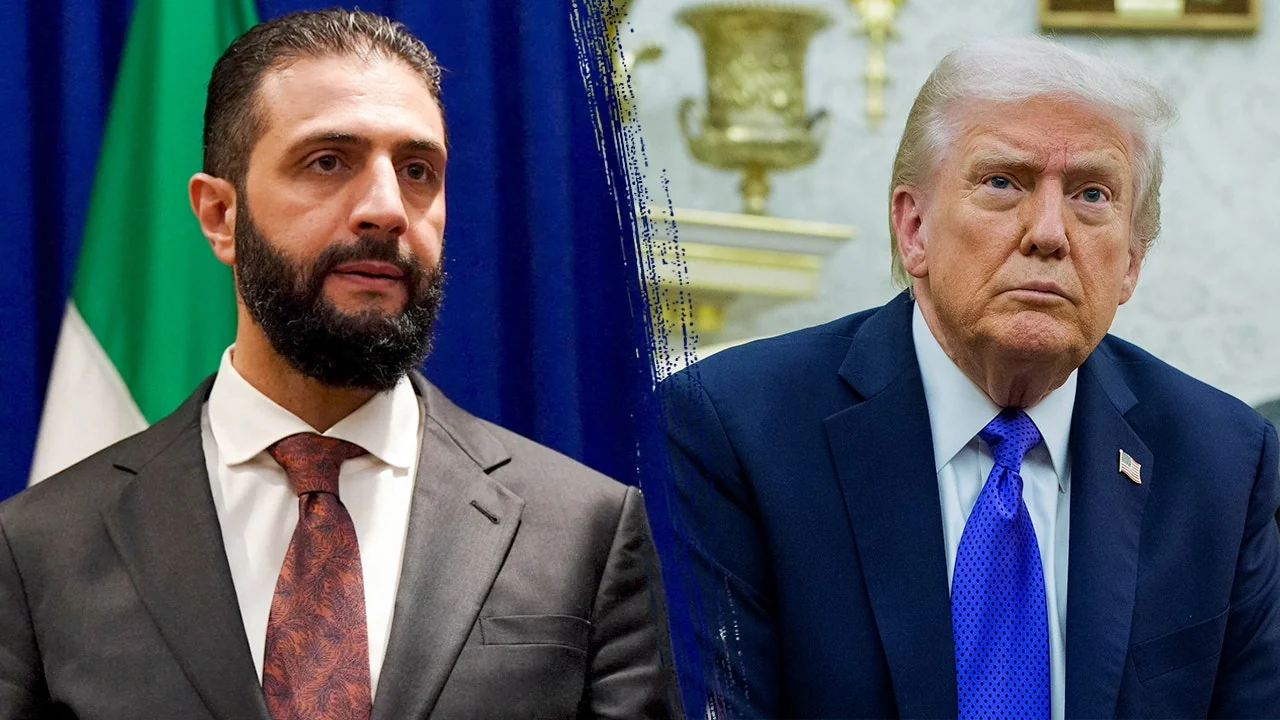
Key Highlights
- Syrian President Ahmed al-Sharaa is set to visit the United States for a historic meeting with President Donald Trump.
- The visit marks a significant shift in U.S.-Syria relations, following years of hostility and sanctions.
- Al-Sharaa will announce Syria’s joining of the Global Coalition to Defeat ISIS, becoming its 90th member.
- The meeting comes amid efforts to ease economic restrictions on Syria and support regional peace initiatives.
Background and Context
In a move that signals a new chapter in U.S.-Syria relations, Syrian President Ahmed al-Sharaa is scheduled to visit the United States for an unprecedented meeting with President Donald Trump. This historic encounter, taking place at the White House on Monday, November 10, 2025, aims to test whether Damascus can be drawn back into diplomacy after years of war and international isolation.
The high-profile visit follows a series of significant policy shifts, including the removal of sanctions against al-Sharaa and Syria’s interior minister by the United Nations Security Council. These changes represent a strategic pivot for the U.S., which has long been hostile toward Syria due to its support for ISIS and other extremist groups.
Key Objectives of the Visit
According to senior administration officials, the primary objectives of al-Sharaa’s visit include:
- Focusing on counterterrorism cooperation with a commitment from Syria to join the Global Coalition to Defeat ISIS, thus becoming its 90th member.
- Lifting economic restrictions and providing clarity for investors through measures announced by Treasury, State, and Commerce departments.
- Supporting regional peace and security efforts, which may include discussions on Syria’s role in resolving conflicts with Israel.
Domestic and International Implications
The visit has sparked debate among U.S. lawmakers and human rights groups. Some argue that legitimizing a former jihadist commander could undermine accountability for past abuses, while supporters see it as an incentive for Syria to cooperate on counterterrorism efforts.
Dede Laugesen, president of Save the Persecuted Christians, sent a letter to President Trump along with other influential Christian leaders, urging him to raise concerns about minority rights and protection during his meeting with al-Sharaa. The letter highlights ongoing violence against religious minorities in Syria, including Christians, Kurds, Druze, and Alawites.
Experts like Ahmad Sharawi of the Foundation for Defense of Democracies caution that while the visit offers opportunities to pursue stability and contain Iran’s influence, it also comes with risks due to al-Sharaa’s domestic record. Despite these concerns, many Syrians see him as a figure capable of holding the country together.
Future Prospects
The outcome of this meeting could have far-reaching implications for both Syria and the broader Middle East region. President Trump has emphasized his administration’s support for the full repeal of the Caesar Act sanctions, which are still restricting commercial ties with Damascus. This move is aimed at unlocking economic growth in Syria while ensuring that ISIS and Iran do not regain a foothold.
However, critics warn that the policy to bid on al-Sharaa leaves Washington exposed to potential failure.
Secretary of State Marco Rubio will also meet with al-Sharaa during his visit, highlighting the importance of maintaining strong diplomatic ties with Syria despite ongoing domestic challenges.
The United States hopes this meeting will pave the way for a more stable and cooperative relationship with Syria, potentially addressing issues such as Kurdish autonomy in northeast Syria and working towards a unified government free from centralization. As al-Sharaa’s visit unfolds, all eyes will be on whether these new efforts can truly bring about lasting peace and stability to the region.