Key Highlights
- Israel ramps up strikes on southern Lebanon in violation of a one-year-old ceasefire agreement.
- Lebanese President Joseph Aoun condemns the attacks as a flagrant violation and threatens action against Israel.
- Hezbollah vows to defend itself, rejecting any political negotiations with Israel.
- Israel continues to exploit Lebanon’s internal divisions for military advantage.
Escalation in Southern Lebanon
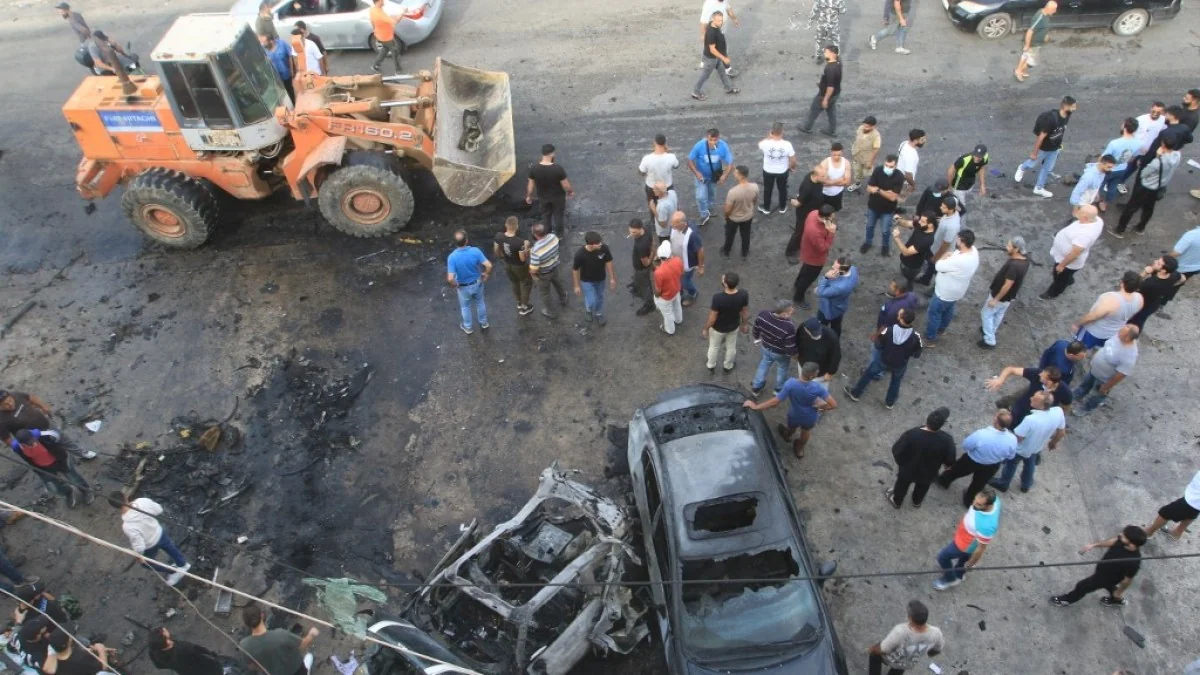
The situation in southern Lebanon has deteriorated significantly since a one-year-old ceasefire agreement was supposed to bring relative peace. On November 6, 2025, Israel launched a series of strikes that resulted in at least one death and nine injuries in the region.
Israeli Justification
The Israeli military justified its actions by accusing Hezbollah of refusing to disarm despite an agreement reached last year. They have been carrying out near-daily strikes for months, which has been seen as a violation of the truce. Israeli Prime Minister Benjamin Netanyahu and Defence Minister Israel Katz have warned that operations will intensify if Lebanon does not comply with ceasefire terms.
Lebanese Reactions
The Lebanese government, under heavy US pressure to disarm Hezbollah, ordered its forces to draft a plan for disarming the group. However, this move was condemned by Hezbollah as “hasty” and dangerous. The Lebanese President Joseph Aoun has expressed strong condemnation of Israel’s actions, warning that any further incursion would result in confrontation.
Humanitarian Concerns
The United Nations peacekeeping force in Lebanon (UNIFIL) raised concerns about the safety of civilians and the impact on disarmament efforts. Farhan Haq, a deputy spokesman for UN Secretary-General Antonio Guterres, highlighted that Israel has denied 107 aid requests to Gaza since the ceasefire began.
Regional Dynamics
The ongoing tension between Israel and Lebanon is part of a broader regional context involving multiple actors. The United States has pressured Lebanon to engage in direct dialogue with Israel but has not discouraged Israel’s frequent violations. This dynamic has created an environment where military actions continue despite ceasefire agreements.
Future Implications
The escalation in southern Lebanon poses significant risks for the already volatile region. Continued attacks could exacerbate internal divisions and hinder diplomatic efforts towards a long-term solution. The international community, including key players like the United States and Egypt, will need to play a crucial role in mediating between Israel and Lebanon.