Key Highlights
- Israel launches strikes on Gaza in response to alleged attacks by Hamas militants.
- Hamas claims no involvement and maintains commitment to the ceasefire agreement.
- Fragile ceasefire, brokered by the U.S., is at risk of collapse due to back-and-forth violence.
- Israeli forces killed two soldiers in the clashes; a family of 11 was also reportedly killed on the Gaza side.
The Escalation of Violence and Its Context
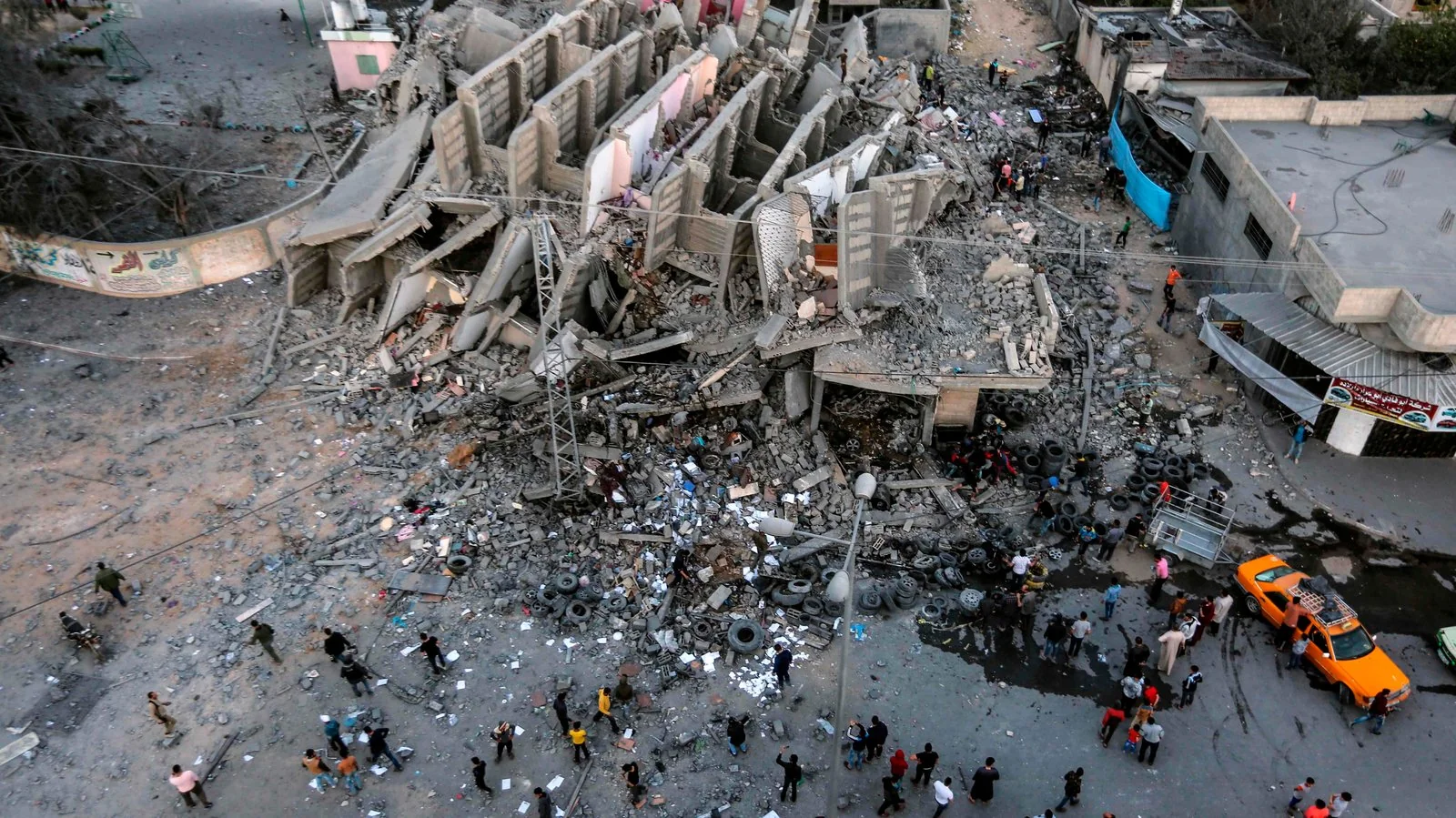
The recent incidents in Gaza underscore the volatile nature of the region, with both Israel and Hamas accusing each other of breaching a fragile ceasefire. The violence erupted on Sunday when Israel claimed that “dozens of Hamas terror targets” were hit across Gaza as part of an operation to respond to attacks against its troops by Hamas militants.
According to Israeli officials, the attacks targeted weapons storage facilities, firing posts, terrorist cells, and other infrastructure used by Hamas. The military emphasized that these actions were necessary to enforce the ceasefire agreement, which had been in place for less than a week. However, Hamas maintained that it was unaware of any such violence and reaffirmed its commitment to the deal.
Background and Implications
The current tension follows a series of events that have tested the delicate balance between the two sides. In October 2023, Hamas-led attacks in Gaza led to significant casualties on both sides, prompting an international effort to broker a ceasefire. The agreement, which was facilitated by the United States, included the release of Israeli hostages held by Hamas and the release of nearly 2,000 Palestinian prisoners in exchange.
However, the recent incidents have raised concerns about the sustainability of this fragile peace.
Israel has accused Hamas of violating the terms of the agreement, while Hamas claims that it is not responsible for the actions that led to the escalation. The U.S. State Department reported credible evidence suggesting that Hamas was planning an attack against Palestinian civilians, which would violate the ceasefire.
Humanitarian and Strategic Implications
The latest round of violence has also had significant humanitarian consequences. In Gaza, a family of 11 people, including seven children, was reportedly killed when their bus was attacked by Israeli forces in Gaza City. The attack occurred as the family returned to visit their ruined home.
Israeli officials stated that the vehicle crossed the yellow line, beyond which Gazans are warned not to go, and faced an “imminent threat” before being struck.
Gaza’s media office accused Israel of violating the ceasefire agreement 80 times since it took effect, as documented by Al Jazeera. The conflict continues to have profound implications for both regions, with the potential for further escalation if the current tensions are not resolved soon. Experts warn that any breakdown in the ceasefire could lead to a return to large-scale fighting, which would have severe repercussions for civilians on both sides.
Conclusion
The ongoing conflict between Israel and Hamas highlights the complex challenges faced by peacekeeping efforts in the Middle East. While both sides have stated their commitment to the ceasefire agreement, the recent escalation of violence raises serious doubts about its sustainability. As negotiations continue, it is crucial that all parties work towards a lasting resolution that respects human rights and promotes stability in the region.