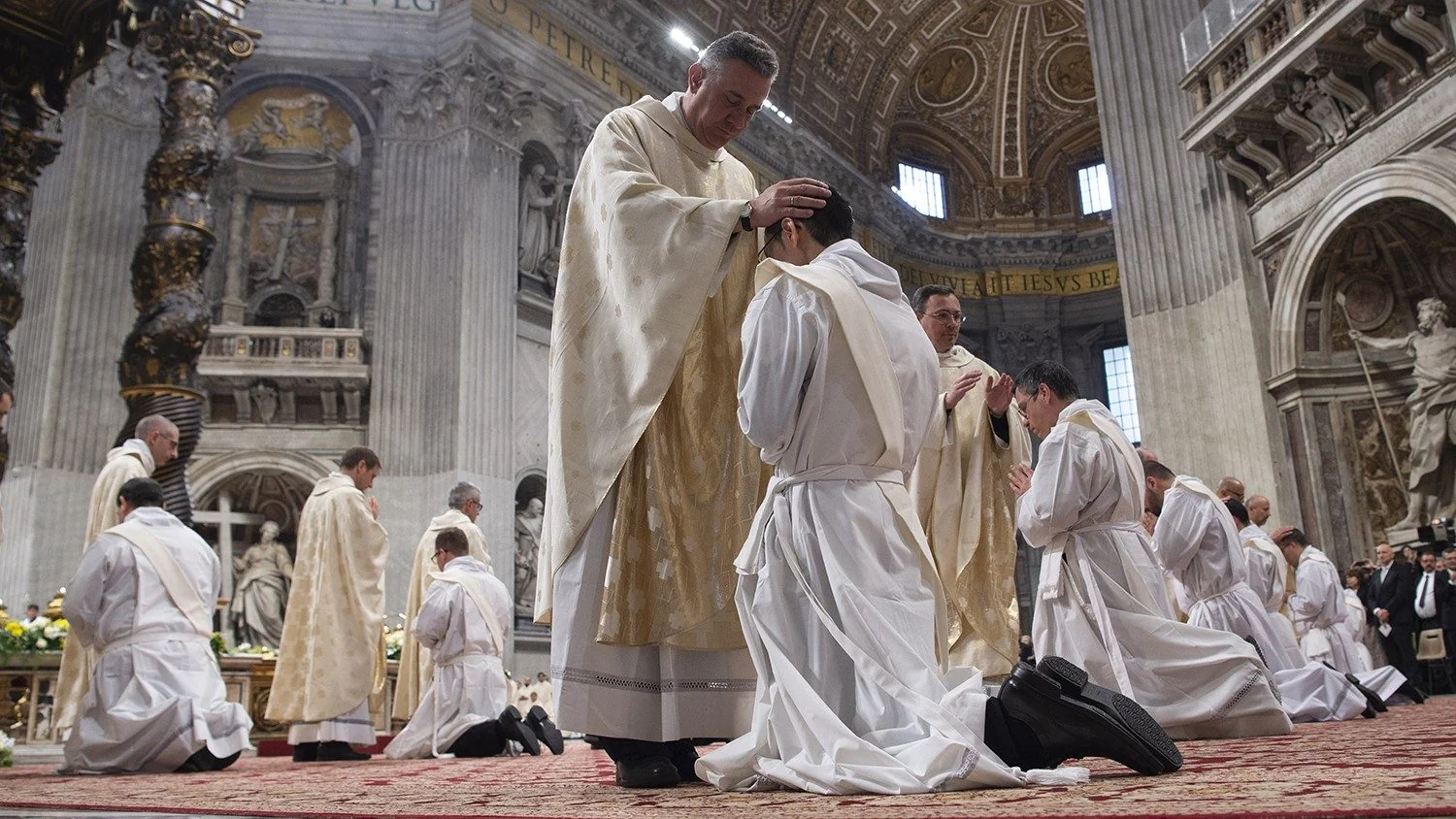
Key Highlights
- Pope Leo XIV’s new Apostolic Letter aims to strengthen the collegiality among priests and with the whole Church.
- The letter emphasizes the importance of ongoing formation for priests and addresses issues like abuse and abandonment of ministry.
- Pope Leo stresses that the priestly vocation is relational and calls for mutual care and support within the clergy community.
- The document highlights the role of permanent deacons and the lay faithful in promoting communion within the Church.
Background on the Second Vatican Council and Its Impact
The Second Vatican Council, held from 1962 to 1965, was a significant event for the Roman Catholic Church. It aimed at modernizing various aspects of church life while maintaining its core teachings. Two important decrees were Optatam totius and Presbyterorum ordinis, which addressed priestly training and the role of priests in pastoral ministry respectively. These documents have since remained pivotal in shaping contemporary priestly life.
Pope Leo XIV’s New Apostolic Letter
Marking the sixtieth anniversary of these conciliar decrees, Pope Leo XIV has released a new Apostolic Letter titled “Una fedeltà che genera future” (“A fidelity that generates the future”). The letter is timely as it seeks to address current challenges within the Church while honoring the spirit of the Second Vatican Council.
The letter aims at fostering a deeper understanding of the priestly ministry, emphasizing key priorities such as fidelity expressed in humble service, ongoing dialogue with God and His People, fraternity among priests, and the missionary and synodal spirit. These principles are intended to guide the formation and practice of priestly life today.
Challenges Facing Priestly Ministry
The Pope acknowledges that recent decades have seen a crisis of trust within the Church due to clergy abuse. This has led to the need for comprehensive formation programs that ensure the personal growth and maturity of candidates for the priesthood, alongside rich spiritual life experiences.
Another significant challenge is the phenomenon of priests leaving their ministry after several years or even decades. Pope Leo XIV urges a compassionate response, emphasizing the importance of renewed commitment to formation as a journey towards greater intimacy with Christ.
The letter also highlights the need to address economic disparities among priests serving in different parishes and to ensure health and old-age care for all.
The document further calls for valuing the role of permanent deacons and the lay faithful, stressing that both contribute significantly to the Church’s mission. Pope Leo XIV advocates for appropriate initiatives to familiarize priests with the guiding principles outlined in the Final Document of the Synod, encouraging a more effective implementation of an ecclesiology of communion.
Addressing Modern Challenges
In today’s context marked by hyper-connectivity and various societal trends, Pope Leo XIV warns against two major temptations that could undermine priestly ministry: efficiency for its own sake and quietism. The Pope stresses the importance of a modest and chaste life as an effective witness to contemporary society.
He emphasizes the need to balance contemplation with action, placing the Paschal dimension at the center of all activities. Prayer is highlighted as central to this dynamic, ensuring that priestly work remains grounded in God’s will rather than being driven by human agendas or distractions.
The letter concludes by affirming that while the vocation unfolds through serving one’s brothers and sisters, it also faces challenges such as loneliness, which can dampen apostolic zeal.
The Pope therefore calls for renewed efforts to promote community life among priests, emphasizing mutual care and support within the clergy community.
This Apostolic Letter from Pope Leo XIV serves as a timely reminder of the ongoing need for reform and renewal in priestly ministry, rooted in the core values established by the Second Vatican Council. It underscores the importance of fostering a more collegial and mission-driven approach to pastoral work.