Key Highlights
- Israeli Prime Minister Benjamin Netanyahu warned of an “eighth front” ideological battle in the West.
- The meeting with Evangelical Christian leaders in Florida highlighted Israel’s reliance on faith-based allies in the U.S.
- Netanyahu emphasized the shared Judeo-Christian struggle and argued for a broader effort to protect Christian communities globally.
A Call for Ideological Unity: Netanyahu’s Warning to Evangelical Leaders
In a meeting with evangelical leaders in Florida, Israeli Prime Minister Benjamin Netanyahu underscored Israel’s strategic alliance with faith-based groups within the United States. The encounter, which came days after Netanyahu held talks with President Donald Trump at Mar-a-Lago, serves as a reminder of the deep-seated support Israel has received from conservative circles.
Netanyahu’s address was not just a routine diplomatic engagement but a strategic move aimed at reinforcing the ideological and political bond between Israel and its evangelical allies. Speaking to the leaders, Netanyahu highlighted that this battle is broader than just military or political interests; it encompasses a shared Judeo-Christian struggle.
The Ideological Eighth Front
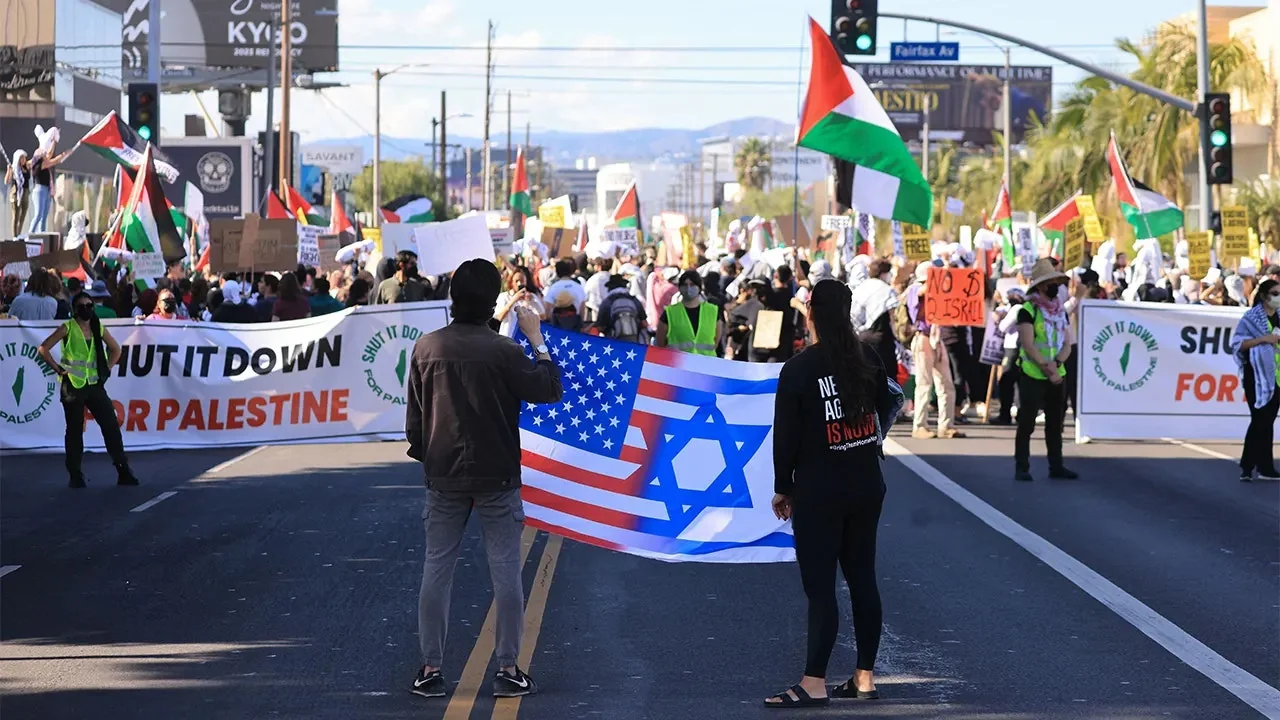
Netanyahu described an emerging “eighth front,” distinct from the previously mentioned seven fronts in his strategic discourse. He explained that this new challenge involves winning over the hearts and minds of young people, particularly in the West and especially in the United States.
“There’s an eighth front,” Netanyahu said, emphasizing the need for a concerted effort to shape public opinion and ideology. “It’s our common Judeo-Christian civilization’s battle,” he argued. This struggle, according to Netanyahu, requires the same level of resolve as any military engagement, calling for the voice of faith to be heard over the understanding of terrorism.
The Historical Bond
The prime minister went on to highlight the historical and ideological connection between Christian Zionists and Israel. He credited U.S. Christians with playing a pivotal role in the reestablishment of the Jewish state, stating, “You are representatives of the Christian Zionists who made Jewish Zionism possible.” Netanyahu further emphasized that this bond is not just about support but shared values and common struggles.
“We have no better friends,” Netanyahu said, underlining the depth of commitment from evangelical groups. This sentiment was echoed by Israel’s Ambassador to the United Nations, Danny Danon, who later wrote on X, “The commitment to Israel among Evangelical leaders is inspiring.” He added that shared values would fortify the bond between both nations.
A Global Effort for Christian Protection
Netanyahu also addressed global threats facing Christian communities, including persecution in various regions. He argued that Israel plays a unique protective role and highlighted the need for broader cooperation to assist these communities worldwide. “We are joining an effort to have basically a United Nations of countries that support Christian communities around the world,” Netanyahu said.
This initiative underscores the multifaceted nature of U.S.-Israel relations, extending beyond military or economic ties into a deeper ideological and cultural alliance. As tensions within the U.S. over Israel’s war and American support continue to surface, Netanyahu’s visit serves as a reminder of the strategic importance of these relationships in shaping the future of both nations.
The meeting with evangelical leaders in Florida is just one part of Netanyahu’s broader strategy to maintain and strengthen alliances that he believes are crucial for Israel’s future. As divisions within the U.S. continue, this ideological battle remains central to his vision for a more supportive global environment for Israel.