Key Highlights
- NATO launches Arctic Sentry military effort aimed at improving security in the High North.
- The initiative follows tensions sparked by U.S. President Donald Trump’s threats to annex Greenland.
- Arctic Sentry will initially label national military exercises such as Denmark’s Arctic Endurance and Norway’s Cold Response drills.
- NATO Secretary-General Mark Rutte emphasizes the need for addressing security gaps amid Russian and Chinese interests in the region.
The New NATO Playbook: Arctic Sentry
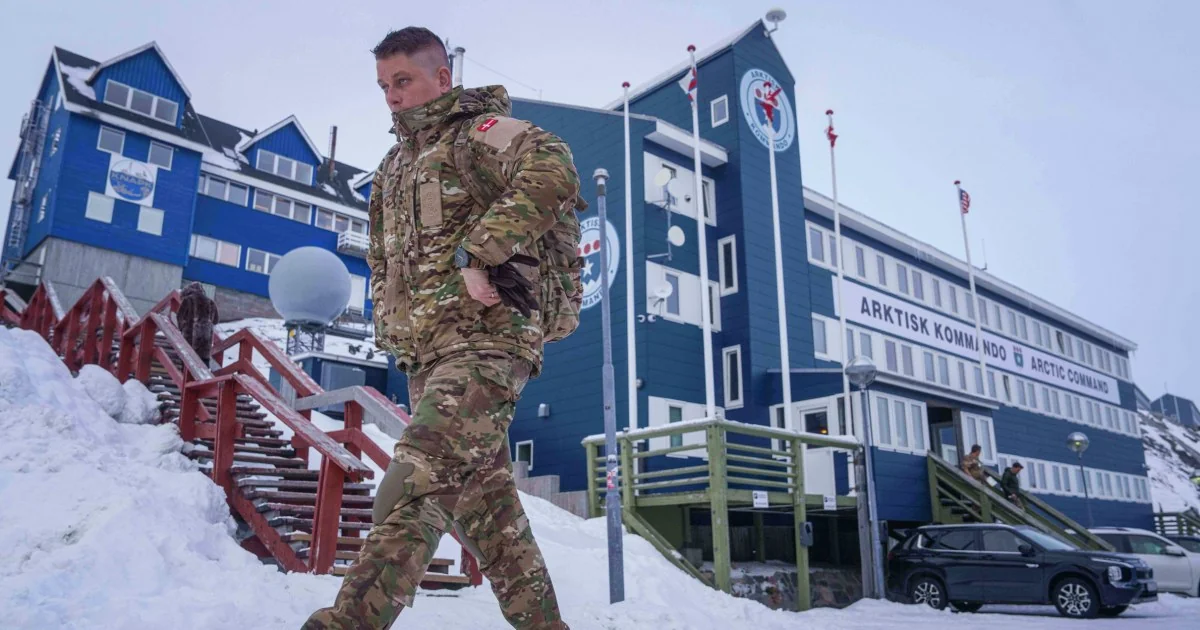
BRUSSELS — As tensions simmered following U.S. President Donald Trump’s bellicose rhetoric regarding Greenland, NATO has launched a new military effort codenamed Arctic Sentry. This initiative, unveiled on February 12, 2026, is designed to bolster security in the High North—a region that includes not only Canada and Russia but also the disputed territory of Greenland.
The name “Arctic Sentry” may sound benign enough, but behind it lies a strategic reorientation.
NATO Secretary-General Mark Rutte explained that the label encompasses all military activities in the Arctic under one command for the first time. This move is significant because it signals a unified approach to addressing emerging security threats.
The Trump Factor
Trump’s threat to annex Greenland was not just a political stunt; it was a real bone of contention within NATO. Denmark, as the sovereign power over Greenland, has long seen this region as integral to its national defense and economic interests. The alliance had to act swiftly to avoid any potential breach in unity.
“What is really new about it is that for the first time now we will bring everything we do in the Arctic together under one command,” Rutte told reporters, highlighting the importance of this unified approach.
Countering Russian and Chinese Influence
The primary rationale behind Arctic Sentry is to counteract Russia’s increased military activity and China’s growing interest in the region. NATO’s role will be to safeguard its members from these expanding spheres of influence. The initiative also aims to address security gaps that have emerged due to evolving geopolitical dynamics.
“In the face of Russia’s increased military activity and China’s growing interest in the High North, it was crucial that we do more,” Rutte added, emphasizing NATO’s commitment to regional stability.
A European Response
The United Kingdom has taken a lead role by announcing plans to double its troop deployment to Norway over three years. This move underscores Europe’s resolve in bolstering Arctic security despite internal divisions and external pressures. Other allies like France, Germany, and Denmark have indicated their willingness to participate but have not specified the number of troops involved.
While Arctic Sentry is not a permanent military deployment under a NATO banner, it marks a significant step towards coordinating national efforts in the region. The initiative will be coordinated through NATO’s U.S. headquarters in Norfolk, Virginia, ensuring that all member states are aligned and prepared for any challenges.
A Step Towards Resolution?
Greenland remains a contentious issue, but Arctic Sentry might offer a glimmer of hope for moving past the dispute. The alliance hopes this new military effort will allow NATO to focus on its core security priorities, such as Russia’s ongoing conflict with Ukraine.
However, the success of Arctic Sentry hinges on sustained cooperation and clear communication among member states. As Rutte stated, “It is about assessing which (security) gaps there are which we have to fill.”