Key Highlights
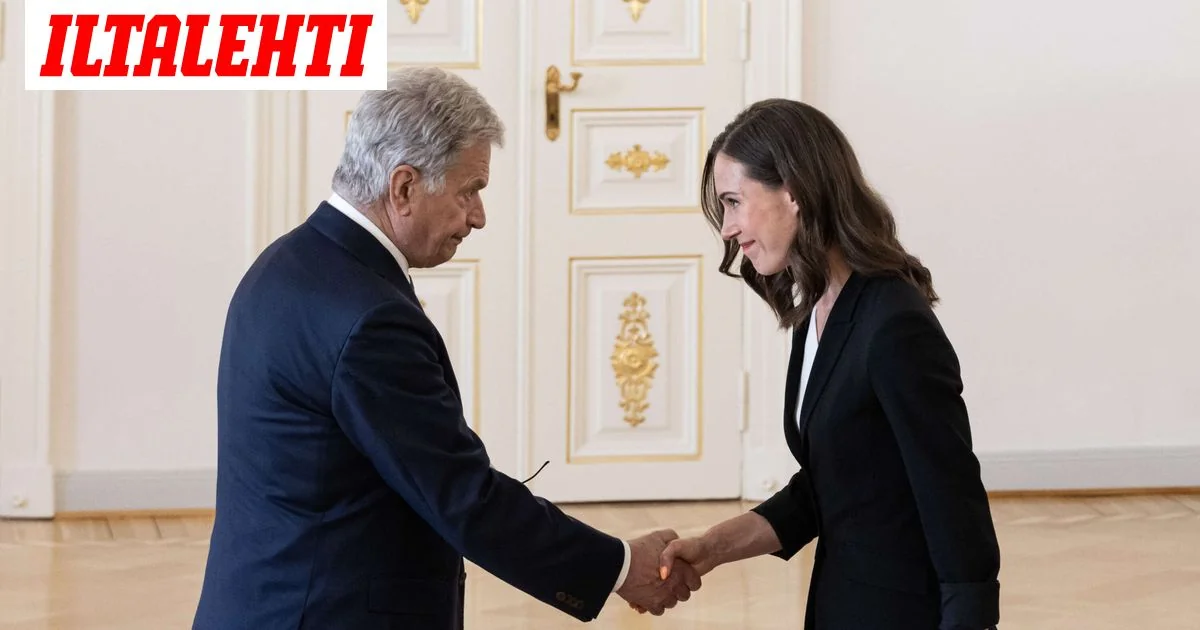
- Sauli Niinistö, President of Finland, denies remembering a conversation with Sanna Marin where she allegedly felt “completely speechless.”
- Sanna Marin, former Finnish Prime Minister, wrote in her book about a crucial discussion with the president regarding NATO.
- The meeting took place on June 20, 2023, during a cabinet retreat at President’s Castle.
Background and Context
In her memoir, Sanna Marin, former Finnish Prime Minister, delves into various political interactions that shaped her tenure. One notable discussion highlighted in the book involved President Sauli Niinistö. According to Marin’s account, she felt “completely speechless” during a conversation about NATO membership when Niinistö took a stance that differed from her expectations.
The meeting occurred on June 20, 2023, at the President’s Castle during a cabinet retreat. This interaction is significant as it underscores the complex dynamics between government and presidential offices in Finland, especially regarding foreign policy matters like NATO membership.
President Niinistö’s Perspective
In response to Marin’s account, President Niinistö stated that he does not recall such a conversation. He emphasized that his role is defined by the constitution and that discussions of critical national security issues are typically conducted within the government framework.
Niinistö further highlighted the pivotal role played by the Finnish Parliament in all major decisions, including those related to NATO membership. He noted that while he supports parliamentary democracy, his primary responsibility lies in ensuring constitutional procedures are followed and respected.
Implications for Finnish Politics
The disagreement between Marin and Niinistö over the role of the president in national security discussions reflects broader debates within European democracies about executive powers. In Finland, as in many other countries, there is a fine line between presidential prerogatives and parliamentary oversight.
Marin’s memoir provides insights into how political leaders navigate these challenges. Her candid reflections on her experiences could influence future political discourse and policies regarding inter-institutional cooperation in Finland.
Conclusion
The discussion between Sanna Marin and Sauli Niinistö over NATO membership highlights the intricate nature of Finnish politics, particularly in the realm of foreign policy. While President Niinistö disputes the account given by Marin, her memoir offers a valuable perspective on the relationship between executive and legislative branches within Finland’s democratic framework.
As Finland continues to navigate its position in the evolving geopolitical landscape, such interactions will remain crucial in shaping national strategies and policies.