Key Highlights
- Elon Musk’s SpaceX faces criticism from NASA’s Secretary of Transportation, Sean Duffy.
- SpaceX’s Starship is criticized for its design and fuel requirements compared to the Apollo-era lunar module.
- NASA awards Blue Origin a contract for its own lander, which is smaller but simpler in design.
- Lockheed Martin proposes an alternative approach using off-the-shelf parts from Orion spacecraft.
The Moon Race Heats Up: SpaceX’s Starship Under Scrutiny
NASA’s ambitious Artemis program aims to return astronauts to the moon by 2025, but the plan faces significant challenges. On October 20, 2021, SpaceX CEO Elon Musk found himself at odds with NASA’s Secretary of Transportation and acting administrator of NASA, Sean Duffy. The feud began when Duffy announced that NASA would open up the contract to other companies, potentially sidelining SpaceX’s flagship project, Starship.
Elon Musk, known for his fiery social media presence, quickly fired back, accusing Duffy of attempting to “kill NASA.” He also ridiculed Duffy’s status as a lumberjack champion, questioning his qualifications. However, the criticism extended beyond personal attacks and delved into technical issues surrounding Starship.
Technical Criticisms: Starship vs. Apollo
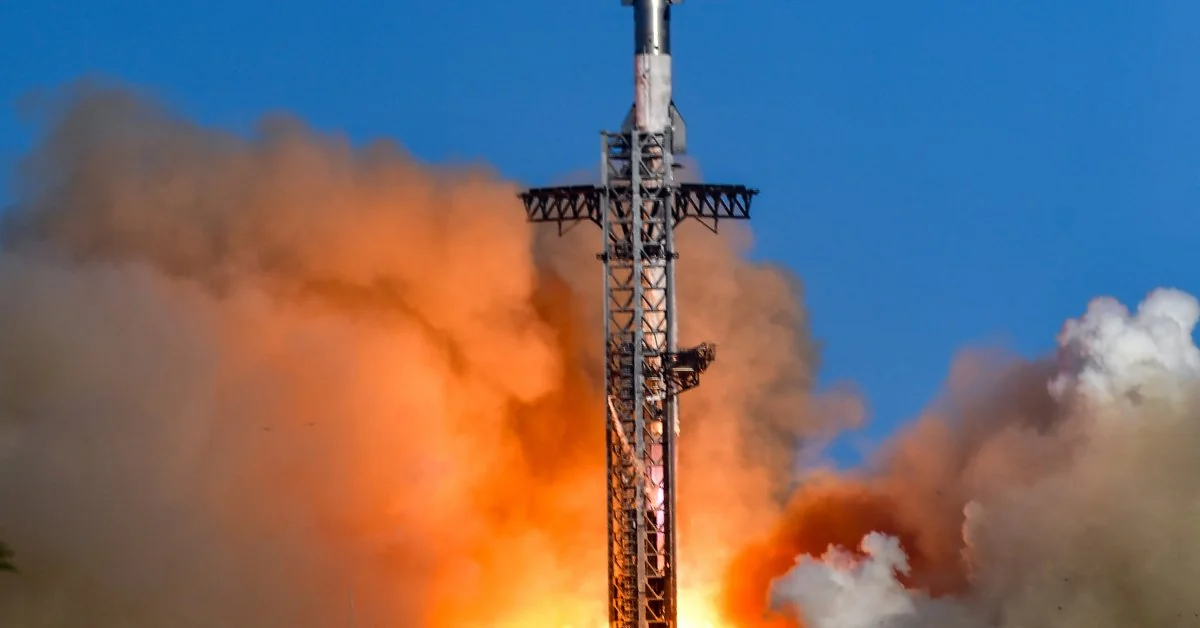
Musk’s star project, the Starship, is not just a rocket; it’s also designed for long-term space exploration goals like Mars missions. Yet, its size and design make it ill-suited for the moon landings required by NASA’s Artemis program.
The Apollo-era lunar module was compact, weighing only 32,500 pounds with propellant and crew, making it both nimble and stable on the moon’s surface. By contrast, Starship is a colossal cylinder measuring 165 feet tall and weighing over 200,000 pounds. This design flaw has significant implications for fuel efficiency and ease of operation.
Fuel Challenges: Refueling and Boil-Off
The complexity of refueling Starship is another major issue. The spacecraft runs on supercold liquid methane and oxygen, requiring multiple trips to Earth orbit to replenish its tanks. According to Musk, up to eight missions might be needed to fill the lunar Starship’s tanks with 1200 tons of fuel.
However, this estimate faces skepticism from industry professionals who argue it could take more than 20 refueling trips.
The problem is exacerbated by the fact that liquid oxygen and methane must be stored at extremely low temperatures. In Earth’s orbit, these conditions are challenging to maintain, leading to constant loss of fuel through boil-off. This issue has raised doubts about SpaceX’s ability to deliver on its moon landing schedule.
Alternatives: Blue Origin and Lockheed Martin
In response to the criticism, NASA awarded a second contract to Blue Origin, Jeff Bezos’s company, for its own lander called “Blue Moon.” Unlike Starship, Blue Moon is smaller and simpler, standing 52 feet tall. It also addresses some of the fuel challenges by using hypergolic propellants that ignite without a combustion chamber.
Lockheed Martin, on the other hand, proposes an innovative approach: building a lunar lander from existing components in the Orion spacecraft. This multi-company effort aims to leverage off-the-shelf parts and reduce complexity, focusing on six refueling missions instead of multiple trips to Earth orbit.
These competing approaches underscore the complexity and urgency of NASA’s Artemis program.
With China also ramping up its moon exploration efforts, the stakes are high for the U.S. space agency. The coming months will likely see intense competition as companies vie to meet NASA’s demands for a successful moon landing by 2025.
As the race intensifies, industry experts and critics alike remain skeptical about SpaceX’s ability to deliver on its ambitious plans. The coming weeks could determine not just the future of Starship but also the fate of NASA’s Artemis program as a whole.