Key Highlights
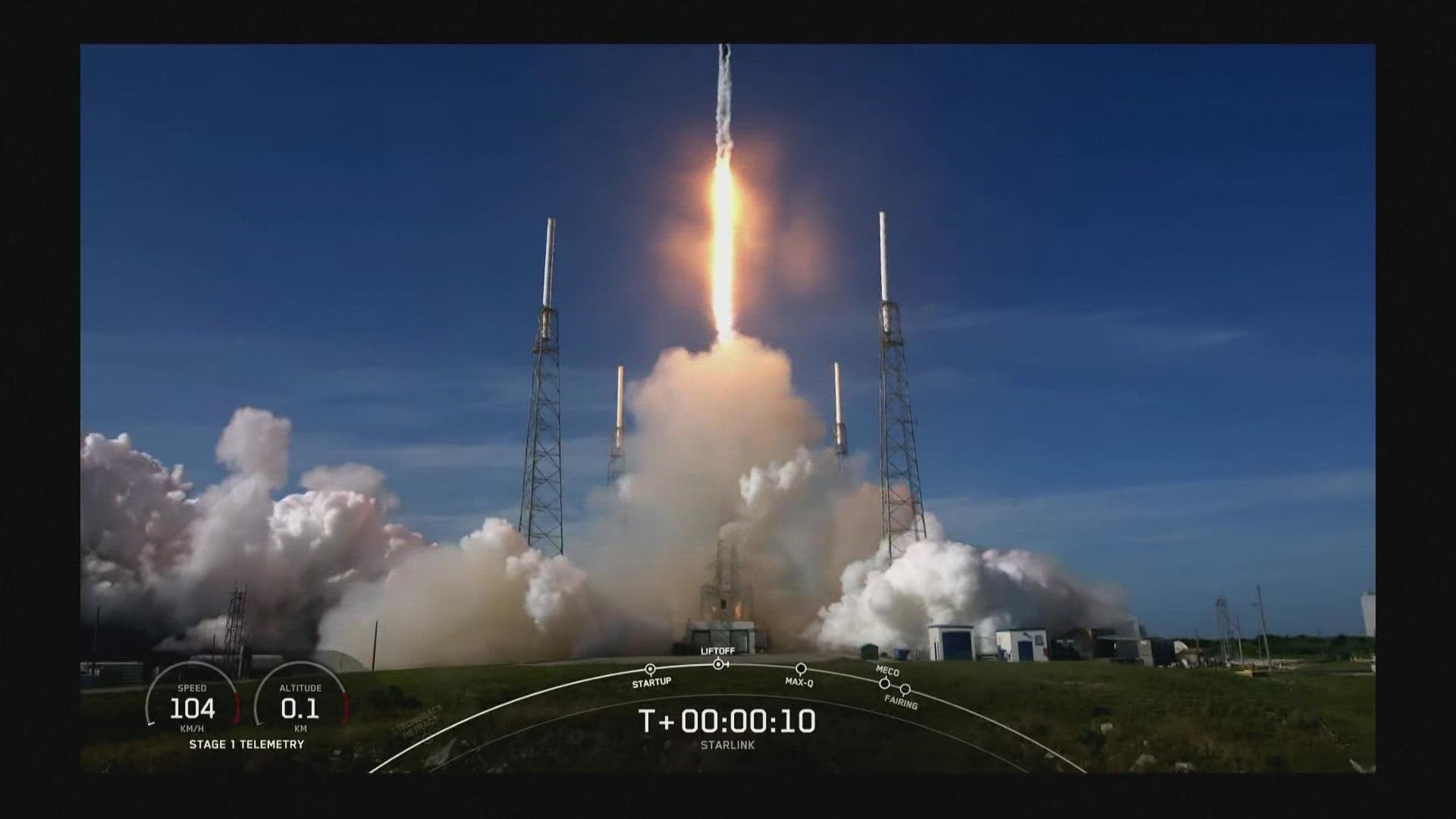
- SpaceX achieved a record-breaking 31st mission for the same Falcon 9 first stage.
- The launch carried 28 Starlink satellites from Florida’s Cape Canaveral Space Force Station.
- This flight marks another step in SpaceX’s goal to lower the cost of spaceflight through reusable rockets.
- SpaceX is developing a fully reusable rocket called Starship, aimed at Mars colonization.
New Record for SpaceX: Falcon 9’s 31st Mission
The aerospace industry witnessed yet another milestone as SpaceX successfully launched its 31st mission using the same first stage of a Falcon 9 rocket. This achievement underscores the company’s commitment to reusability and cost-effective space operations.
Details of the Launch
The launch took place on October 19, 2025, from Florida’s Cape Canaveral Space Force Station at 1:39 p.m. EDT (1639 GMT). The Falcon 9 rocket carried 28 Starlink broadband satellites into orbit. After a precise ascent, the first stage of the rocket landed successfully on the SpaceX drone ship “A Shortfall of Gravitas” in the Atlantic Ocean, marking its successful completion of the mission.
Starlink Expansion
The launch was part of SpaceX’s broader plan to expand Starlink’s satellite constellation. Since launching the first batch of Starlink satellites in 2019, SpaceX has steadily increased the number of satellites sent into orbit. This particular flight contributes to reaching a significant milestone: the deployment of over 10,000 Starlink satellites by the end of the year.
Falcon 9 and Reusability
The success of this launch further highlights the effectiveness of Falcon 9’s reusable design. The first stage booster, designated as 1067, has now completed its 31st mission, showcasing the durability and efficiency of SpaceX’s reutilization strategy.
Future Implications: Starship and Mars
While this launch is impressive, it represents just one piece of SpaceX’s larger ambitions. The company is actively developing a fully reusable rocket called Starship, which aims to revolutionize space travel by making trips to the Moon, Mars, and beyond more accessible.
Starship’s Potential
“Starship will be capable of carrying both crew and cargo to destinations like Mars,” said Elon Musk, CEO of SpaceX. “Our goal is not only to lower costs but also to enable a sustainable presence on other planets.”
The development of Starship is part of a broader strategy to make space travel more affordable and accessible. By focusing on reusability, both the Falcon 9 and Starship are paving the way for a new era in space exploration.
Conclusion
This record-breaking flight not only highlights SpaceX’s technological prowess but also underscores its commitment to advancing space operations through innovation and efficiency. As SpaceX continues to push boundaries, the future of space exploration looks increasingly promising.